

In today’s fast-paced world, the global supply chain is rarely a calm sea, but March 2026 has proven to be particularly turbulent. As we navigate the current disruptions in the Strait of Hormuz and the Red Sea, coupled with severe winter storms across Europe and the UK, businesses are facing a "perfect storm" of logistics challenges.
If you are feeling the squeeze of vessel bunching and carrier blank sailings, you are certainly not alone. At Global Corporate Logistics Limited, we understand that a delay at the port isn't just a line on a spreadsheet, it is a missed delivery, a frustrated customer, and a hit to your bottom line. We have built our systems to provide the stability you need when the industry feels anything but stable.
The State of Play: Why 2026 is Testing Supply Chains
The current shipping crisis is driven by a complex interplay of geopolitical tensions and environmental factors that have forced carriers into defensive maneuvers. By early March 2026, we have seen a significant increase in blank sailings as carriers attempt to reset schedules disrupted by the long diversions around the Cape of Good Hope.
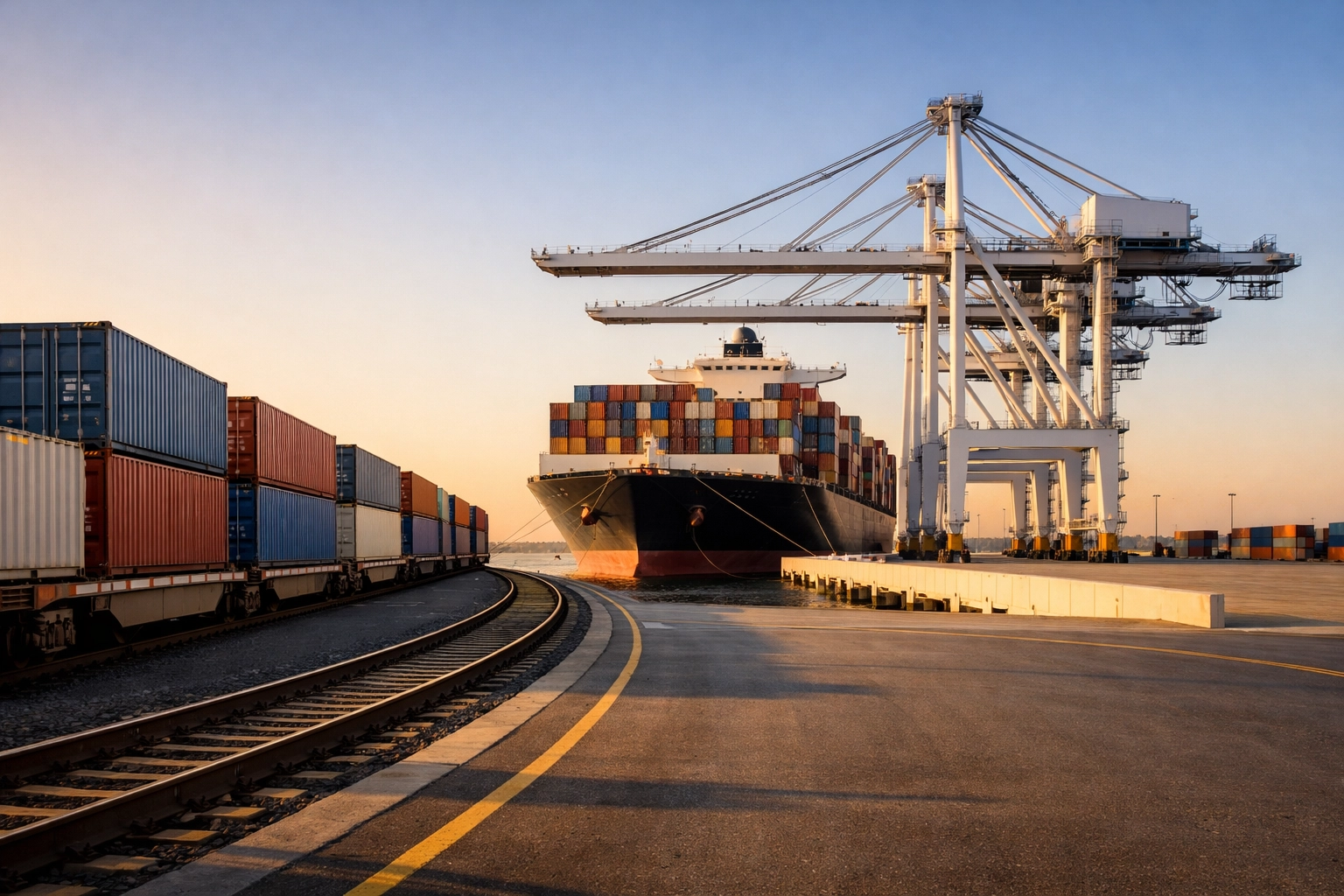
Vessel bunching is the primary symptom of this congestion, where multiple container ships arrive at a terminal simultaneously, far exceeding the berth and crane capacity. This leads to cascading delays, where a 48-hour wait at the port turns into a week-long backlog for inland drayage and warehouse receiving.
Furthermore, the winter storms hitting the UK and Northern Europe have slowed ground operations, making "business as usual" an impossible standard for those without a tactical plan. We ensure that our clients are not just reacting to these headlines but are stayed ahead of them through proactive planning and diversified routing.
Tactical Rerouting: Moving Beyond the "Panic Button"
When a major gateway becomes a bottleneck, many shippers wait until their cargo is already stuck before looking for an exit. We believe that rerouting should be treated as a precision tool rather than a last resort.
By establishing predefined triggers, we help you make informed decisions before the congestion becomes critical. If berth wait times exceed 48 hours or yard utilization at your primary port hits 85%, it is time to execute a "pivot" to alternative gateways or intermodal combinations.
Strategic options for rerouting include:
- Gateway Diversification: Splitting your volume across multiple ports to ensure that one localized backlog doesn't halt your entire inventory flow.
- Intermodal Shifts: Transitioning from rail-heavy inland movements to localized trucking (drayage) when rail hubs become over-congested.
- Short-Sea Shipping: Using smaller feeder vessels to bypass major hub congestion and deliver closer to your final destination.
Customs Mastery: Clearing the Path Before Arrival
In a congested port environment, the last thing you want is for your cargo to be delayed further by paperwork or regulatory holds. Our licensed customs brokerage team works around the clock to ensure that your "pre-clearance" is handled long before the ship docks.
We provide expert guidance on complex tariff classifications and ensure that all documentation is matched and processed in real-time. This eliminates "zero-motion" periods where a container sits in a yard simply because a digital signature is missing or a payment hasn't been reconciled.
By leveraging our status as a licensed brokerage, we provide a seamless bridge between the arrival of your goods and their release for inland transport. This ensures you avoid mounting demurrage and detention (D&D) charges, which can skyrocket during periods of port backlog.
Real-Time Visibility: The Power of Shipflow
Data is the ultimate weapon against uncertainty, and in 2026, "tracking" means more than just knowing where a ship is on a map. You need granular, 24/7 visibility into every milestone of your cargo's journey, from the factory floor to the customer's doorstep.
Our Shipflow platform is designed specifically for e-commerce merchants and high-volume shippers who cannot afford to be in the dark. It centralizes your tracking data, providing predictive alerts for vessel bunching and real-time updates on port terminal status.
Why Shipflow is essential for your 2026 strategy:
- Predictive Analytics: Our system identifies potential delays before they happen, allowing you to update your customers or adjust your marketing spend accordingly.
- Unified Dashboard: Stop logging into ten different carrier sites; Shipflow brings all your data into one reliable interface.
- Automated Alerts: Receive instant notifications when a container is discharged or when a customs hold is lifted.
If you are looking to take control of your supply chain and eliminate the "black hole" of port delays, sign up for Shipflow today and start managing your logistics with the precision of an industry leader.

Flexible Carrier Partnerships: Building a Resilient Network
Relying on a single carrier or a single shipping alliance in 2026 is a significant risk. We have established flexible partnerships with a wide array of global carriers, ensuring that we always have an alternative path if one service line becomes unreliable.
Our approach focuses on "capacity management" rather than just "booking space." This means we are constantly evaluating carrier performance, transit time variability, and blank sailing frequency. By spreading your cargo across our network of trusted partners, we provide a safety net that protects your business from localized service failures.
Whether you are dealing with high-value electronics or time-sensitive consumer goods, our team ensures that your cargo is prioritized. We pair technical features, like AI-driven route optimization, with the human expertise required to navigate the complexities of 2026's maritime landscape.
Your Tactical Port Backlog Checklist
To survive the current crisis, you must move from reactive to proactive. Use this checklist to evaluate your current readiness:
- Audit Your Data: Are you receiving real-time updates, or are you relying on day-old reports from carriers?
- Set Your Triggers: Define exactly how much delay you will tolerate before rerouting cargo to a secondary port.
- Pre-Clear Everything: Ensure your customs brokerage team has all documents at least 72 hours before vessel arrival.
- Communication Plan: Do you have a system in place to automatically update your e-commerce customers when a shipment is delayed?
- Diversify: Ensure no more than 40% of your total volume is tied to a single port or carrier.
By choosing Global Corporate Logistics Limited, you are choosing a partner that treats your supply chain as their own. We provide the reliability, transparency, and expert execution required to navigate the backlogs of 2026 and beyond.
FAQ: Navigating the 2026 Shipping Crisis
1. What is causing the specific port backlogs in March 2026?
The current delays are a result of vessel bunching due to the Red Sea and Hormuz diversions, exacerbated by heavy winter storms in Europe and the UK that have slowed port throughput.
2. How does Global Corporate Logistics handle customs delays?
As a licensed customs brokerage, we handle pre-clearance and documentation matches before the vessel arrives, ensuring that regulatory holds are minimized or eliminated entirely.
3. What is Shipflow and how does it help?
Shipflow is our advanced visibility platform that provides 24/7 tracking and predictive delay alerts, allowing you to manage your e-commerce logistics with total transparency.
4. Should I reroute my cargo to different ports right now?
Yes, if your primary port is experiencing yard utilization over 85% or berth waits exceeding 48 hours, rerouting to a secondary gateway is a recommended tactical move.
5. How do blank sailings affect my business?
Blank sailings (canceled voyages) reduce available capacity and create backlogs for the next available ship, often leading to "rolled" cargo and significant delays in transit times.
6. Can you help with inland transport once the port clears?
Absolutely, we provide comprehensive drayage and warehouse solutions to ensure that once your cargo is off the ship, it moves quickly to its final destination.
7. How can I avoid high demurrage and detention (D&D) charges?
By ensuring fast customs clearance and having pre-arranged drayage capacity, we move your containers out of the terminal before the free-time period expires.
8. Is air freight a viable alternative during these port backlogs?
For high-priority or time-sensitive inventory, we can facilitate a shift to air freight to bypass maritime congestion entirely, ensuring your stock levels remain stable.
9. How do you ensure my cargo is prioritized during congestion?
We use our deep carrier partnerships and volume leverage to ensure our clients' containers are prioritized for loading and discharge even when capacity is tight.
10. How do I get started with Global Corporate Logistics?
You can reach out to our team directly through our website or, if you are an e-commerce merchant, you can sign up for Shipflow here to begin tracking your shipments immediately.
Contact Us Today
Ready to secure your supply chain? Visit globalcorporatelogistics.com to speak with an expert or explore our category sitemap for more industry insights. Let’s navigate the challenges of 2026 together.