
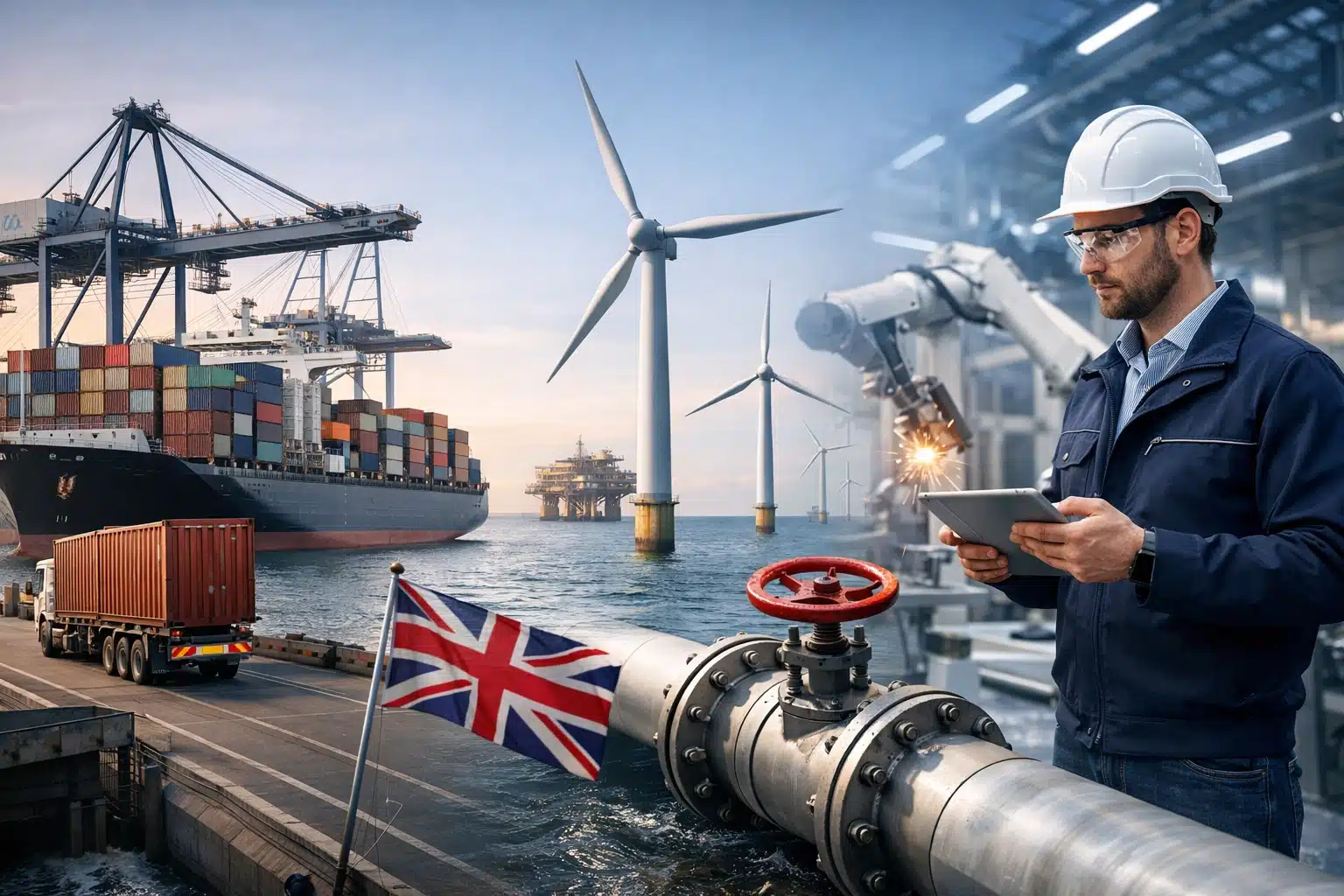
In the high-stakes world of March 2026, the global logistics landscape has shifted dramatically, leaving many UK exporters scrambling for stability. For industry leaders like Andy Ogilvie at Petrofac and other giants in the energy and manufacturing sectors, the traditional "easy" routes have become anything but simple. With the continued shipping freezes in the Red Sea and heightened tensions across the Strait of Hormuz, the primary arteries of global trade are currently restricted, forcing a radical rethink of how we move critical equipment.
At Global Corporate Logistics Limited, we understand that for the UK energy sector, a delay isn't just a line on a spreadsheet, it is a stopped turbine, a stalled construction site, or a missed contract milestone. The 2026 "chokepoint crisis" has proven that relying on singular, traditional sea freight routes is no longer a viable strategy for high-value exports. We have spent the last year refining alternative pathways that ensure your essential cargo reaches its destination, regardless of the geopolitical climate in the Middle East.
Navigating the 2026 Shipping Freeze: Why Traditional Routes Failed
The current state of maritime logistics in 2026 has been defined by unpredictability and the need for extreme agility. The "Middle East shipping freeze" isn't just a temporary hurdle; it has become a structural challenge that requires a sophisticated, multimodal response to overcome. For UK manufacturing firms, the standard transit through the Suez Canal is often no longer the fastest or most cost-effective option when insurance premiums and rerouting costs are factored in.
We have seen a significant shift in how British exporters approach their global footprint, moving away from "just-in-time" towards "just-in-case" resilience. The chokepoints at the Strait of Hormuz have created a bottleneck for energy equipment destined for the Gulf and Southeast Asia, regions that remain critical for UK trade. This environment demands more than just a freight forwarder; it requires a strategic partner who can map out secondary and tertiary routes before the first anchor is even lifted.
By diversifying your transit methods, you can mitigate the risks of stuck cargo and astronomical demurrage fees. Whether you are shipping heavy-duty construction machinery or delicate energy components, we provide the expertise to bypass these volatile regions entirely. Our focus remains on keeping the UK's manufacturing engine running by providing the reliable alternatives that 2026's economy demands.
The Air Freight Advantage: Speed as a Strategic Shield
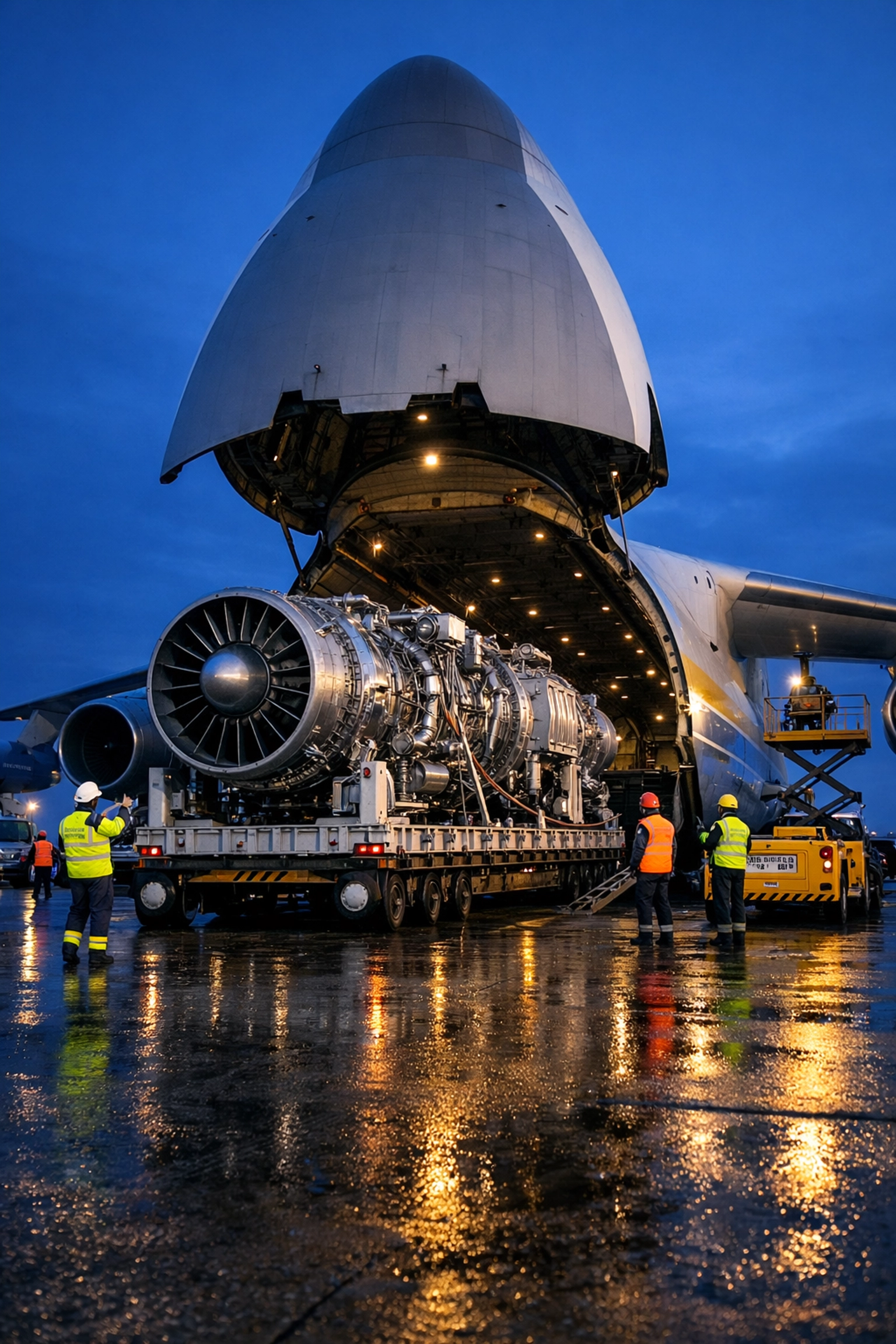
When sea lanes are blocked or delayed by weeks of rerouting around the Cape of Good Hope, the sky becomes your most reliable asset. In 2026, we have seen air freight evolve from a "last resort" for emergencies into a foundational pillar of strategic export planning for the energy sector. While sea freight could be on the possible rise in terms of cost, the reliability of air transit offers a level of certainty that maritime shipping currently lacks.
We specialize in coordinating complex air charters and scheduled flights for oversized energy equipment and urgent manufacturing parts. This "speed shield" allows you to bypass the naval bottlenecks of the Middle East, delivering components directly to inland hubs or secondary regional airports. Our team ensures that your cargo is prioritized, handled with expert care, and cleared through customs with minimal friction.
- Guaranteed Transit Times: We provide definitive delivery windows that allow you to plan your project milestones with total confidence.
- Reduced Insurance Risk: By avoiding high-risk maritime zones, we often see a reduction in the "war risk" premiums that are currently plaguing sea freight.
- End-to-End Security: Our air freight solutions include enhanced tracking and specialized handling, ensuring that sensitive energy technology remains secure.
- Flexible Capacity: We maintain strong relationships with global carriers, allowing us to secure space even during peak demand periods.
Multimodal Mastery: Integrating Rail and Sea for Resilience
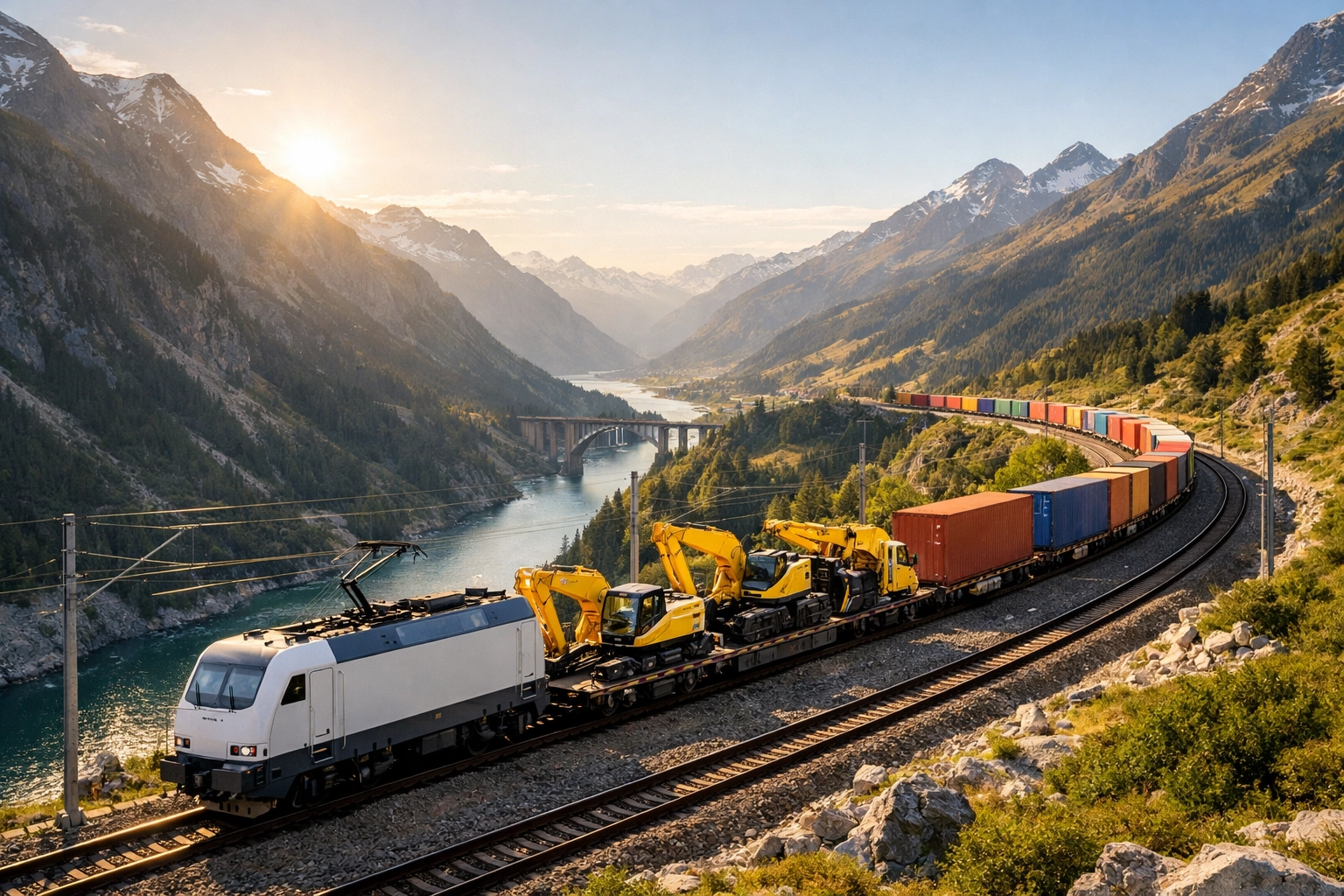
The key to bypassing 2026’s chokepoints lies in multimodal logistics, the seamless integration of rail, sea, and road transport. We have developed sophisticated "land-bridge" solutions that utilize rail networks across Central Asia and Europe, connecting UK manufacturing hubs to global destinations without entering the Red Sea. This approach offers a middle ground between the speed of air freight and the high volume of sea freight.
By utilizing rail-sea combinations, we can move heavy construction equipment through safer corridors, ensuring that Petrofac-scale projects stay on schedule. This strategy involves offloading cargo at Mediterranean or Northern European ports and moving it via rail to secondary hubs, where it can then be distributed via local sea or road networks. It is a complex dance of timing and documentation, but it is one that we have mastered to keep your supply chain moving.
Our multimodal strategies are designed to be fluid, allowing us to pivot your cargo's path in real-time if a specific border or port becomes congested. We have seen an unpredicted rise in shipping industry complexities, and our multimodal networks are the best defense against this volatility. This ensures that your export strategy remains robust, no longer tethered to the fate of a single waterway.
Sector-Specific Expertise: Energy and Construction Equipment
Exporting for the energy and construction sectors in 2026 requires more than just moving boxes; it requires an understanding of the technical requirements of project cargo. We know that shipping a wind turbine blade or a specialized drilling rig requires different protocols than standard consumer goods. Our team has the expertise to handle the "heavy lift" requirements of UK's leading energy firms, ensuring that every piece of equipment is braced, secured, and documented correctly.
We work closely with project managers to understand the site-specific requirements at the destination. This might involve coordinating "last-mile" delivery to remote oil fields or offshore staging areas where infrastructure may be limited. By providing a bespoke logistics plan, we remove the guesswork from the export process, allowing your engineers and project leads to focus on their core work.
- Out-of-Gauge (OOG) Experts: We specialize in moving cargo that doesn't fit in standard containers, providing specialized flat-racks and open-top solutions.
- Project Cargo Management: Our team manages the entire lifecycle of a shipment, from initial site survey to final delivery at the project location.
- Customs Compliance: We navigate the complex export controls and licensing requirements for energy technology, ensuring your cargo isn't delayed at the border.
- Global Partner Network: We leverage our local experts in destination countries to handle offloading and local transport, guaranteeing a seamless transition.
Harnessing Technology for Real-Time Visibility in 2026
In a world of chokepoints and reroutes, data is just as important as the physical cargo itself. You need to know exactly where your equipment is and, more importantly, when it will arrive. We utilize advanced logistics platforms to provide real-time visibility into every stage of the journey. This transparency allows you to update your stakeholders with accurate information, managing expectations in an era of global uncertainty.
Our commitment to technology ensures that even when we are using complex multimodal routes, you have a single source of truth for your shipment's status. This level of digital integration is what sets Global Corporate Logistics Limited apart from traditional forwarders. We don't just move your cargo; we provide the data you need to make informed business decisions during a crisis.
To truly master your 2026 export strategy and gain full control over your shipping data, we invite you to experience the future of logistics management. Choose Global Corporate Logistics for your strategic exports and integrate with our digital tools for maximum efficiency.
Ready to streamline your 2026 exports? Sign up for Shipflow today and take control of your global logistics.
Frequently Asked Questions
1. How is the 2026 shipping freeze affecting UK energy exports specifically?
The freeze has caused significant delays and cost increases for traditional sea routes through the Middle East. It has made it difficult to maintain project timelines for energy infrastructure, necessitating the use of air freight and multimodal rail solutions.
2. Is air freight cost-effective for heavy manufacturing equipment?
While the base cost is higher than sea freight, the reduction in insurance premiums, avoidance of demurrage, and the ability to meet contract deadlines often make air freight the more cost-effective choice in the current 2026 climate.
3. What are "multimodal land-bridges"?
These are routes that combine different modes of transport, such as moving cargo by rail across Europe or Asia to bypass sea chokepoints, before transferring back to sea or road for final delivery.
4. How does GCL handle "Project Cargo"?
We provide end-to-end management for large-scale, complex shipments, including site surveys, specialized equipment handling (OOG), and coordinating local delivery in the destination country.
5. Can you help with export licenses for energy technology?
Yes, we have deep expertise in navigating UK export controls and ensuring that all necessary documentation and licenses are in place to avoid customs delays.
6. What is the benefit of using Shipflow for my exports?
Shipflow provides a centralized platform for tracking, documentation, and data management, giving you real-time visibility and control over your entire supply chain.
7. Are insurance costs higher in 2026?
Maritime insurance for routes near the Red Sea or Strait of Hormuz has surged. Our alternative routing strategies often help in securing more favorable insurance terms by avoiding high-risk zones.
8. How do you ensure the safety of sensitive energy components?
We use specialized handling protocols, enhanced security at transit hubs, and real-time tracking to ensure that high-value technology remains safe and secure throughout its journey.
9. Can we still ship to the USA and Canada easily?
Yes, routes to North America are generally less affected by the Middle East chokepoints. We continue to offer express parcel and freight services to the USA and Canada with high reliability.
10. How quickly can GCL pivot a shipment if a route is blocked?
Our multimodal network allows us to reroute shipments within 24-48 hours, depending on the current location of the cargo and the availability of alternative transport modes.
Global Corporate Logistics Limited
Your Reliable Partner in Global Trade
Contact us for a bespoke quote | View our latest news