
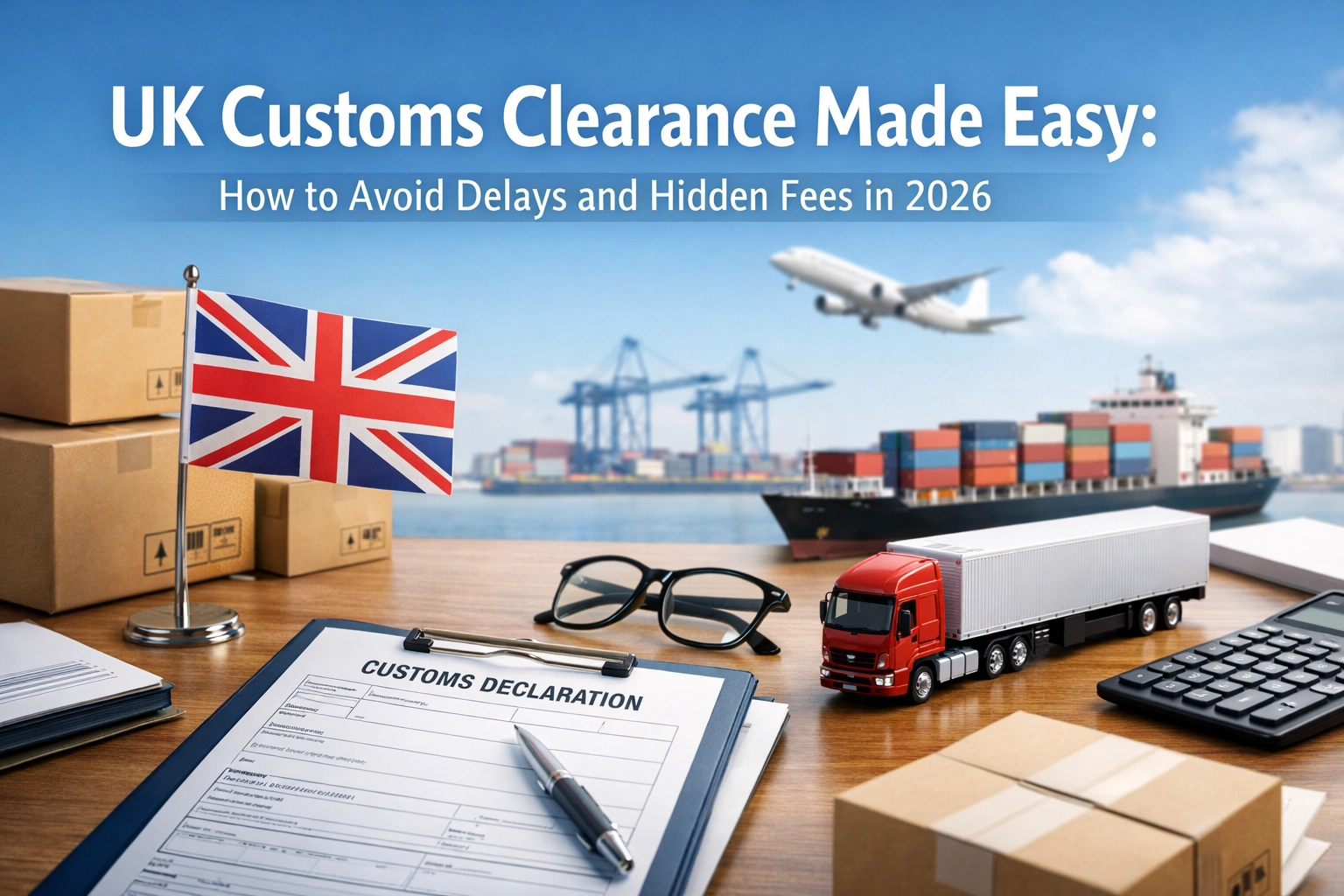
If there's one thing that can derail your international shipping plans faster than you can say "commercial invoice," it's customs clearance. In 2026, UK customs is getting more sophisticated, and more demanding. With increased data checks, evolving EU regulations, and new digital systems coming online, even minor errors can trigger costly delays and surprise fees.
The good news? UK customs clearance doesn't have to be a nightmare. Whether you're an e-commerce seller shipping products worldwide or an importer bringing goods into the UK, understanding the system and having the right partner makes all the difference.
Let's break down exactly what's causing delays, where those hidden fees come from, and how you can navigate the 2026 customs landscape without breaking a sweat.
What's Actually Causing Your Customs Delays?
Here's the truth: most customs delays are preventable. They're not random acts of bureaucratic chaos, they're usually triggered by specific, fixable issues.
The most common culprits include:
- Incomplete or inaccurate documentation: Missing commercial invoices, incorrect commodity codes, or mismatched information across documents will flag your shipment immediately. In 2026, automated systems are even more sensitive to these discrepancies.
- Incorrect customs valuation: Declaring the wrong value for your goods, whether it's too high or too low, raises red flags and invites closer inspection.
- Non-compliance with import regulations: Every country has specific requirements for certain goods. Missing licenses, certificates, or restricted item declarations will stop your shipment cold.
- Poor communication: When information doesn't flow smoothly between you, your freight forwarder, and your customs agent, mistakes multiply.
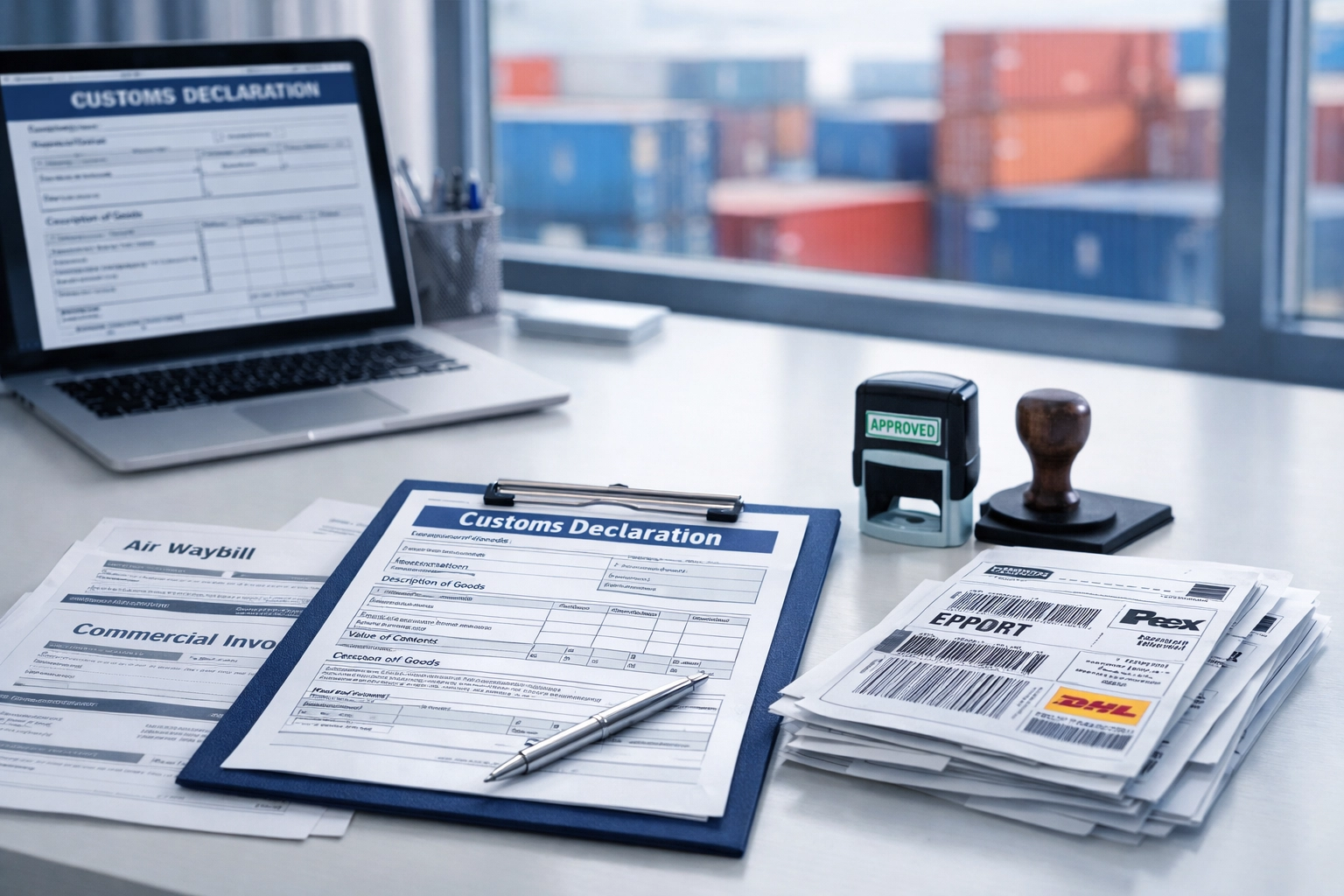
With HMRC ramping up compliance monitoring in 2026, accuracy isn't just nice to have, it's essential. One typo in a commodity code can add days or weeks to your clearance time.
Your Essential UK Customs Documentation Checklist
Think of customs documentation like a passport for your goods. Without the right papers, nothing's going anywhere.
Before your shipment arrives at the UK border, make sure you have:
- Commercial invoice: This needs full shipment details including product descriptions, quantities, values, and origin country. Be precise, vague descriptions like "electronics" won't cut it.
- Packing list: A detailed breakdown of what's actually in your consignment, including weights and dimensions.
- Import or export declaration: Submitted electronically through the Customs Handling of Import and Export Freight (CHIEF) system or the newer Customs Declaration Service (CDS).
- Transport documents: Airway bills for air freight or bills of lading for sea freight serve as your proof of shipment.
- Certificates of origin or conformity: Required for certain products, especially those covered by trade agreements or subject to specific regulations.
Here's the critical part: all information across these documents must be consistent. If your commercial invoice lists a product value of £5,000 but your declaration says £4,500, you've just created a problem.
The Hidden Fees You Need to Know About in 2026
Let's talk about the money stuff, specifically, the charges that catch businesses off guard.
While the UK itself hasn't introduced new customs clearance fees in 2026, the landscape around you is changing dramatically. If you're doing any business with the EU, pay attention.
Major EU Changes Taking Effect
Starting July 2026, the EU is eliminating its €150 duty de minimis exemption. This is huge for e-commerce businesses. Previously, low-value goods under €150 could enter the EU duty-free. Not anymore. Every single import into the EU will now be subject to customs duty, regardless of value.
Additionally:
- Italy and Romania have already rolled out new national clearance fees as of January 2026. These are separate charges on top of duty and VAT.
- The EU is working toward a harmonized e-commerce handling fee expected in November 2026. The final details are still being negotiated, but this will create another fee layer for online retailers shipping into EU markets.
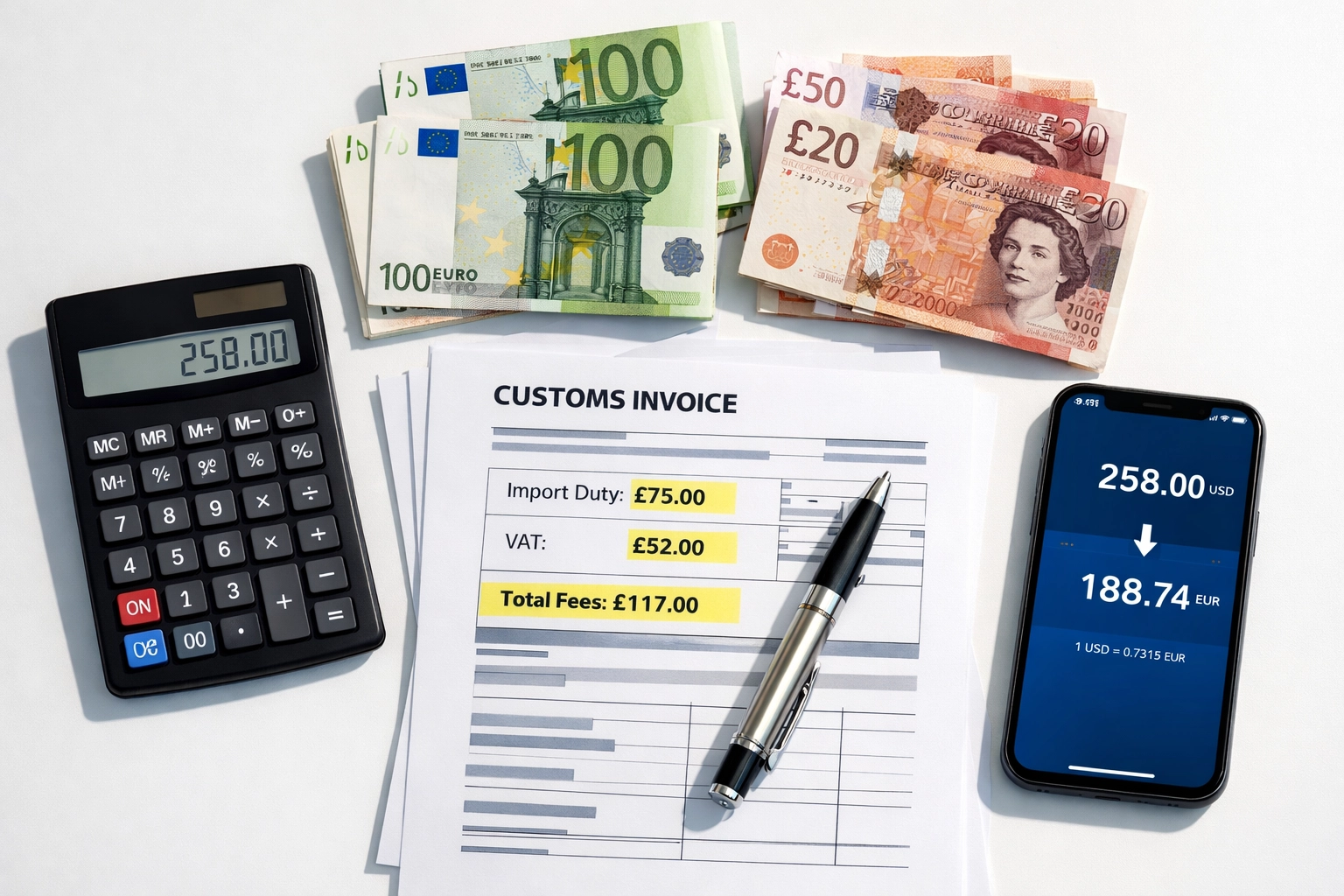
These changes mean your cost calculations need updating. What used to be a simple £50 product sale to Germany now includes duty, VAT, handling fees, and potentially clearance charges. Factor these into your pricing strategy now, or watch your margins evaporate.
UK-Side Considerations
For imports into the UK, you're still dealing with the usual suspects: import duty, VAT, and excise duty (for applicable goods like alcohol and tobacco). But here's where businesses often get caught out, undeclared fees from customs agents.
Some brokers charge "admin fees," "processing fees," or "document handling charges" that aren't always transparent upfront. Before engaging any customs service, get a clear breakdown of all charges in writing.
How Digital Access is Changing the Game
Here's some genuinely good news for 2026: starting March 2026, UK companies will get free, self-service access to their customs declaration data directly from HMRC. This is the same information HMRC uses internally.
Why does this matter? Because transparency prevents problems. You'll be able to:
- Review your historical declarations for accuracy
- Identify patterns that might trigger inspections
- Proactively correct errors before they cause delays
- Better understand how HMRC is interpreting your submissions
The UK government is also rolling out improved case management systems and enhanced data tools designed to make customs processing more consistent and efficient. These digital improvements aim to reduce administrative burden while improving compliance.
Think of it as moving from flying blind to flying with instruments. You'll have real-time visibility into what's happening with your customs declarations.
How Global Corporate Logistics Makes UK Customs Clearance Actually Easy
This is where we come in. At Global Corporate Logistics Limited, we don't just move boxes, we're your licensed customs brokerage partner who understands that customs clearance can make or break your international business.
Licensed Expertise You Can Trust
We're not winging it here. Our team holds full customs clearance licensing, meaning we're authorized to handle import and export declarations on your behalf. We stay current with every regulatory change, every new requirement, and every fee adjustment across 180+ countries.
When Italy introduced those new clearance fees in January 2026? We already had updated procedures in place for our clients. When the EU's duty exemption changes in July? We'll have your pricing and documentation strategies adjusted well before the deadline.
24/7 Shipment Tracking and Support
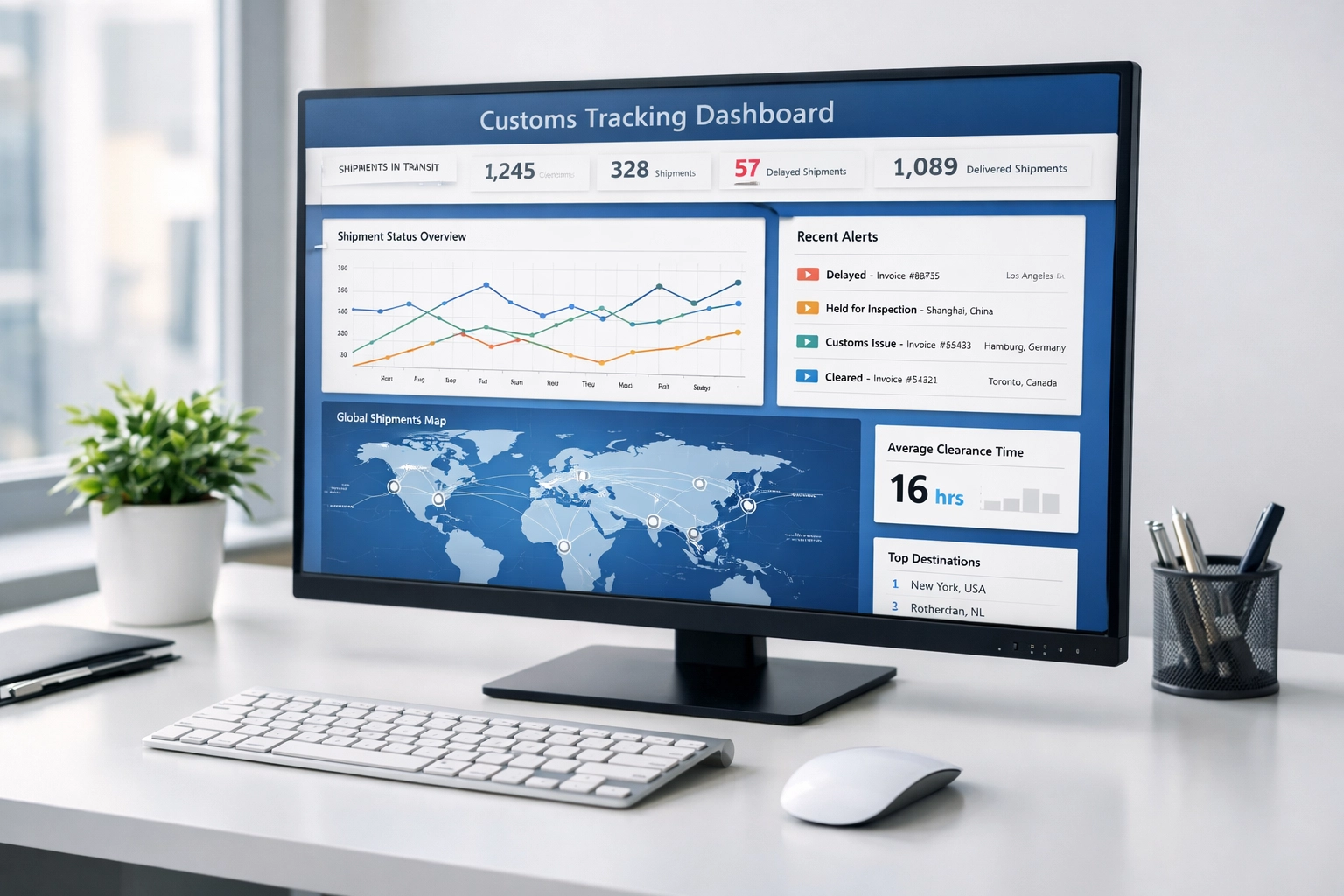
Customs doesn't sleep, and neither do we. Our 24/7 shipment tracking system gives you real-time visibility into where your goods are and what's happening with them.
Stuck at customs? You'll know immediately, and so will we. Our team can intervene quickly to resolve issues, provide missing documentation, or clarify declarations before minor problems become major delays.
Full Import/Export Support Across 180+ Countries
Whether you're importing raw materials from Asia, exporting finished products to North America, or managing e-commerce orders across Europe, we've got the connections and expertise to handle your customs clearance smoothly.
Our service includes:
- Pre-clearance consultation: We review your documentation before submission to catch errors when they're still fixable.
- Commodity code classification: Get the right HS codes from the start to avoid valuation disputes and duty miscalculations.
- Regulatory compliance checks: We verify that your goods meet import requirements for the destination country, including licenses, certifications, and restricted goods protocols.
- Duty and VAT optimization: Where legitimate options exist, we help structure your shipments to minimize tax liability.
- Post-clearance support: If HMRC or foreign customs authorities have questions later, we handle the communication and documentation requests.
Why E-Commerce Sellers and Importers Choose Us
For e-commerce merchants, speed is everything. A shipment stuck in customs for a week means missed delivery promises, customer complaints, and potential returns. We specialize in high-volume, fast-moving clearances that keep your business flowing.
For importers and exporters, consistency matters. You need to know that shipment 100 will clear as smoothly as shipment 1. Our standardized processes and attention to detail ensure reliable, repeatable results.
Your 5-Step Action Plan for Smoother Customs Clearance
Ready to take control of your customs process? Here's your practical roadmap:
1. Prepare documentation in advance: Don't wait until your goods are on a ship or plane. Have your commercial invoices, packing lists, and declarations ready and reviewed before the shipment moves.
2. Use correct commodity codes: Invest time in getting your HS codes right. If you're unsure, consult with customs professionals (like us) rather than guessing. The 10 minutes you save now could cost you days later.
3. Maintain clear records: Keep organized files of all customs documentation. HMRC can request historical information during audits, and having it readily available speeds up the process dramatically.
4. Monitor regulatory updates: Subscribe to HMRC updates and stay informed about changes affecting your industry. Better yet, work with a customs broker who does this for you.
5. Partner with experienced professionals: Unless customs clearance is your core business, it makes sense to work with specialists who handle it daily. The cost of professional customs brokerage is almost always lower than the cost of delays, fees, and compliance issues.
Frequently Asked Questions
How long does UK customs clearance usually take?
For straightforward shipments with complete, accurate documentation, UK customs clearance typically takes 24-48 hours. However, incomplete paperwork, random inspections, or goods requiring additional certification can extend this to several days or even weeks. Working with a licensed customs broker significantly reduces clearance times.
Do I need a customs broker for UK imports?
Technically, you can handle customs declarations yourself if you're registered with HMRC. However, most businesses find that professional customs brokers save time, prevent costly errors, and ensure compliance with complex regulations. The investment typically pays for itself through faster clearance and avoided penalties.
What happens if my customs documents have errors?
If HMRC identifies errors in your customs declaration, your shipment may be held pending clarification. You'll need to provide corrected documentation, which can add days to your clearance time. Repeated errors may trigger increased scrutiny on future shipments. In some cases, incorrect declarations can result in financial penalties.
How will the EU's 2026 changes affect my UK business?
If you export to EU countries, the elimination of the €150 duty exemption means all your shipments will now incur customs duty, regardless of value. You'll need to factor these additional costs into your pricing and potentially adjust your shipping strategies. Working with a customs broker who understands both UK and EU regulations is essential for navigating these changes.
Can I get customs duty refunds if I overpay?
Yes, you can claim customs duty repayment or remission in certain circumstances, such as when goods are damaged, returned, or when duties were incorrectly calculated. However, claims must be submitted within specific timeframes and require supporting documentation. A customs broker can help you identify and process legitimate refund opportunities.
Ready to make UK customs clearance a competitive advantage instead of a headache? Global Corporate Logistics provides comprehensive customs brokerage services backed by licensing, expertise, and 24/7 support across 180+ countries. Get in touch with our team today at globalcorporatelogistics.com and discover how smooth international shipping can actually be.