

In 2026, the rules of the game have changed. New sustainability regulations across the UK and EU are forcing businesses to rethink how they handle returns, recycling, and end-of-life products. If your company is still operating on the old "make-take-dispose" model, you're not just behind the curve, you're potentially facing compliance headaches and wasted money.
The circular supply chain isn't just a buzzword anymore. It's a legal and financial necessity, especially for companies in tech, automotive, and fashion sectors where product returns and component recycling are constant challenges. At Global Corporate Logistics Limited, we're helping Manchester businesses build reverse logistics systems that meet 2026 standards while actually saving money in the process.
Let's break down why this year is the tipping point, and how you can get ahead of it.
What Is a Circular Supply Chain (And Why Should You Care)?
A circular supply chain replaces the traditional linear model with a closed-loop system. Instead of raw materials flowing one way, from supplier to manufacturer to customer to landfill, materials cycle back through recovery, refurbishment, and reuse.
Here's what this means in practice:
- Product design for longevity: Items are built to be disassembled, repaired, and recycled rather than thrown away
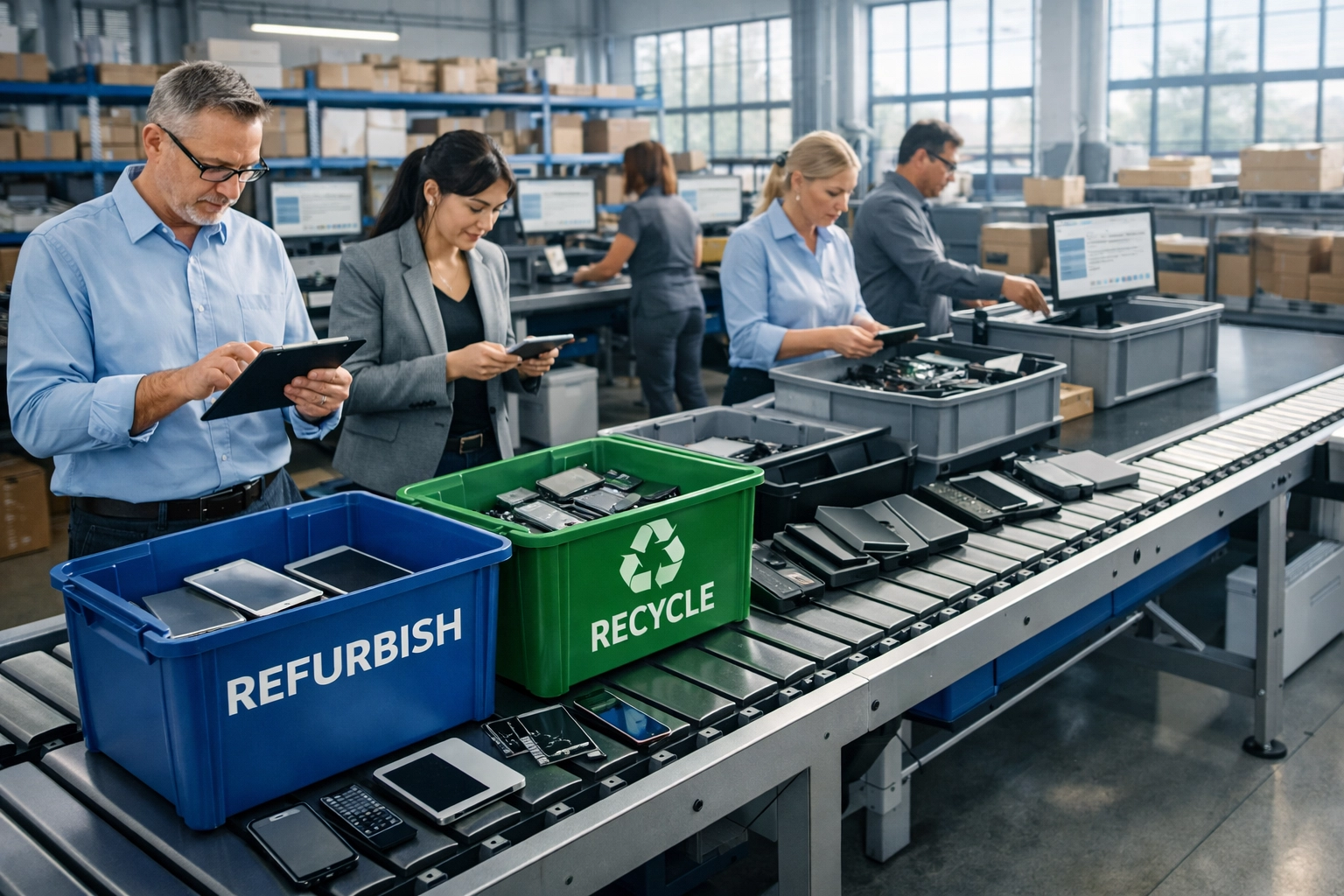
- Reverse logistics networks: Systems that efficiently collect, sort, and process returned goods
- Material recovery: Extracting valuable components and materials for remanufacturing
- Waste elimination: Keeping resources in use for as long as possible before responsible disposal
For tech companies dealing with electronics returns, automotive businesses managing spare parts, and fashion brands handling seasonal inventory, this shift is both a challenge and an opportunity.
The old way left money on the table. Returns were seen as losses. Now, with the right Manchester freight forwarder managing your reverse logistics, those returns become recovered assets.
The 2026 Regulatory Wake-Up Call
Several new regulations are converging in 2026 to make circular supply chains mandatory rather than optional:
- Extended Producer Responsibility (EPR): Manufacturers are now legally responsible for the entire lifecycle of their products, including disposal and recycling
- Right to Repair legislation: Consumers can demand repair services, meaning businesses need reverse logistics for component recovery
- Waste reduction targets: Companies must demonstrate measurable reductions in landfill waste
- Carbon reporting requirements: Supply chain emissions, including returns and disposal, must be tracked and reported
If you're moving goods through Manchester air cargo or any other logistics channel, these regulations affect every step of your operation. The question isn't whether to adapt, it's how quickly you can build a compliant system.
We're already seeing businesses in our network scrambling to set up reverse logistics channels. The smart ones started six months ago. If you're reading this now, you still have time, but not much.
Why Reverse Logistics Is No Longer Optional
Reverse logistics used to be the afterthought of supply chain management. Now it's the foundation of a sustainable, profitable operation.
Here's what reverse logistics handles:
- Product returns: Customer returns, warranty replacements, and defective goods
- Refurbishment and repair: Extending product life through professional restoration
- Component recovery: Harvesting valuable materials from end-of-life products
- Recycling coordination: Proper disposal through certified recycling partners
- Repackaging and resale: Returning goods to inventory when possible
For fashion brands, this means managing seasonal returns and unsold inventory without sending it to landfill. For automotive suppliers, it's about recovering valuable metals and components from old parts. For tech companies, it's ensuring e-waste is processed correctly while recovering rare earth materials.
The financial benefits are real. Companies implementing circular supply chains are seeing:
- 30-40% reduction in raw material costs through recovered components
- 20-25% savings on waste disposal fees
- 15-20% improvement in supply chain resilience by reducing reliance on new materials
- Enhanced brand reputation among eco-conscious consumers and B2B buyers
At Global Corporate Logistics Limited, we've built a reverse logistics network that connects Manchester businesses to recycling facilities, refurbishment centers, and secondary markets across the UK and internationally.
How GCL Builds Your Green Supply Chain
Building a circular supply chain requires more than good intentions, it requires logistics expertise and the right partnerships. Here's how we help Manchester companies transition to sustainable reverse logistics:
Strategic Network Design
We map your entire product lifecycle to identify recovery opportunities:
- Return point optimization: Where and how products come back into your control
- Sorting facility partnerships: Connecting you with specialized processors for different materials
- Secondary market access: Finding buyers for refurbished goods and recovered materials
- Compliance documentation: Ensuring every step meets 2026 regulatory requirements
Technology Integration
Our systems integrate with your existing operations:
- Track and trace for returns: Full visibility on every returned item from collection to processing
- Automated routing: Returns automatically directed to the most efficient processing facility
- Carbon footprint reporting: Real-time data on emissions savings from circular practices
- Inventory management: Recovered materials tracked and made available for remanufacturing
For e-commerce businesses, our Shipflow platform makes managing returns incredibly simple. Set up automated return labels, track customer returns in real-time, and direct items to the right recovery channel, all from one dashboard.
Multi-Modal Transport Solutions
Reverse logistics requires flexibility:
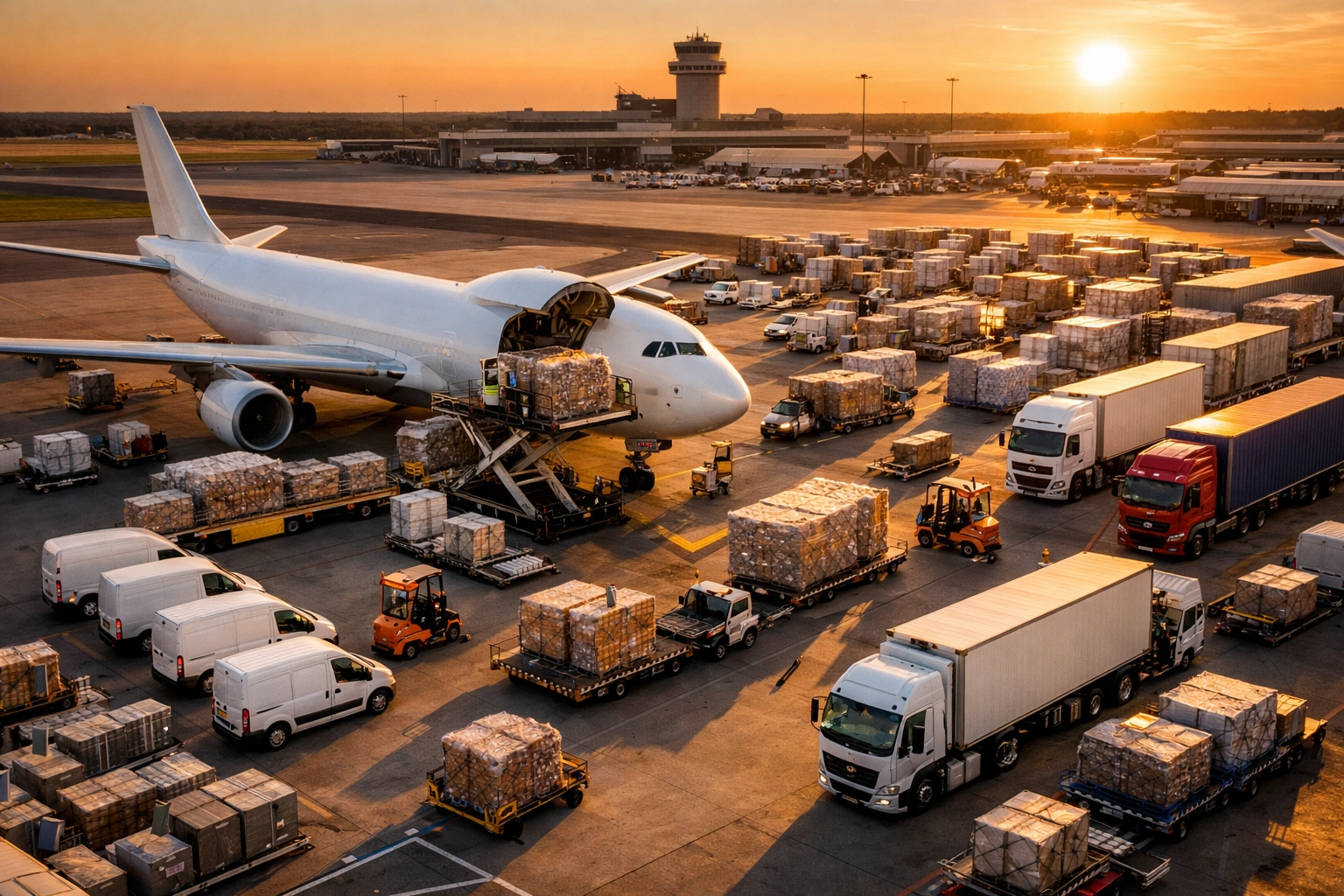
- Manchester air cargo for time-sensitive returns or high-value electronics
- Road freight for bulk returns and domestic recycling coordination
- Sea freight for international component recovery and material exports
- Last-mile collection for customer returns and take-back programs
We coordinate the entire chain so you're not juggling multiple providers or losing visibility.
Industry-Specific Solutions
Tech & Electronics
Electronic waste is heavily regulated, and components contain valuable recoverable materials. We help tech companies:
- Certify and track e-waste through authorized treatment facilities
- Recover rare earth materials for reuse in new products
- Refurbish and resell functional electronics through secondary markets
- Manage battery disposal in compliance with hazardous material regulations
Automotive
The automotive sector has always dealt with reverse logistics, but 2026 regulations make it more complex:
- Core return programs for remanufactured parts
- Metal recovery from end-of-life vehicles and components
- Warranty returns processing with rapid turnaround times
- Spare parts redistribution across your dealer network
Fashion & Apparel
Fashion faces unique challenges with seasonal inventory and fast-changing trends:
- Unsold inventory management through outlet channels and textile recycling
- Customer return processing with quality grading for resale potential
- Textile fiber recovery for remanufacturing into new fabrics
- Donation program coordination for items unsuitable for resale
Getting Started: Your Green Logistics Roadmap
Transitioning to a circular supply chain doesn't happen overnight. Here's how we typically work with new clients:
Phase 1: Assessment – We audit your current returns and disposal processes to identify quick wins and compliance gaps.
Phase 2: Network Design – We map your optimal reverse logistics network, connecting you with the right partners and facilities.
Phase 3: Technology Setup – We integrate tracking systems and reporting tools so you have full visibility.
Phase 4: Launch & Optimize – We go live with your new circular supply chain and continuously improve based on performance data.
Most companies see measurable results within 90 days, reduced disposal costs, improved recovery rates, and better compliance documentation.
Ready to find out where you stand? We're offering a Free Freight + Customs Health Check to Manchester businesses. Our team will review your current logistics setup and show you exactly where circular supply chain improvements can save money and ensure compliance.
Why Manchester Businesses Choose GCL for Green Logistics
Manchester is emerging as a hub for sustainable manufacturing and distribution. Our position as a Manchester freight forwarder gives us unique advantages:
- Local expertise in UK and EU sustainability regulations
- Direct access to Manchester Airport for international reverse logistics
- Established partnerships with UK recycling and refurbishment facilities
- Same-day response for urgent returns or compliance questions
We've been handling freight and customs clearance at Manchester Airport for years. Now we're applying that same reliability and expertise to circular supply chains.
Our clients trust us because we deliver what we promise: transparent communication, guaranteed compliance, and logistics that actually save money while helping the planet.
Take Control of Your Reverse Logistics Today
The circular economy is here. The regulations are live. The competitive advantage goes to companies who adapt fastest.
Whether you're dealing with tech returns, automotive cores, or fashion inventory, we have the network and expertise to build your circular supply chain. Call our Manchester team on 0161 706 1220 to discuss your specific needs, or visit our customs clearance page to learn more about our compliance capabilities.
For e-commerce businesses managing high volumes of customer returns, sign up for Shipflow and start streamlining your reverse logistics today. You'll get automated return labels, real-time tracking, and direct integration with our green processing network.
Frequently Asked Questions
What exactly is a circular supply chain?
A circular supply chain keeps materials and products in use for as long as possible through reuse, refurbishment, and recycling. Instead of the traditional linear flow (make-take-dispose), materials cycle back through your operations, reducing waste and raw material costs.
How do 2026 regulations affect my business specifically?
The main regulations include Extended Producer Responsibility (EPR), Right to Repair requirements, and stricter waste reduction targets. If you manufacture, import, or sell physical goods in the UK or EU, you're now responsible for the entire product lifecycle including returns and disposal.
What is reverse logistics?
Reverse logistics is the process of moving goods backward through your supply chain, from customer to collection point to processing facility. This includes returns, repairs, recycling, and material recovery. It's the operational backbone of circular supply chains.
Can reverse logistics actually save money?
Yes. Companies typically see 30-40% reductions in raw material costs through component recovery, plus 20-25% savings on waste disposal. You also improve supply chain resilience by reducing dependence on new materials, which protects against price volatility.
How long does it take to set up a circular supply chain?
Most businesses see initial results within 90 days. The timeline depends on your product complexity and current infrastructure, but we prioritize quick wins: like improved return processing and certified recycling partnerships: while building the complete system.
Do I need special technology for reverse logistics?
Track-and-trace systems are essential for compliance and efficiency. Our Shipflow platform handles this for e-commerce returns, while we provide enterprise solutions for larger operations. The key is having visibility on every returned item from collection to final processing.
What happens to products that can't be refurbished or resold?
We direct them to certified recycling partners who extract valuable materials. For electronics, this means recovering metals and rare earth elements. For fashion, it's textile fiber recovery. Nothing goes to landfill unless absolutely unavoidable: and we document everything for compliance.
How does Manchester air cargo support green logistics?
Speed matters for high-value returns and time-sensitive repairs. Manchester air cargo lets us quickly move returned electronics to specialized processing facilities or rush warranty replacements to customers. We also use it for international shipments of recovered materials to remanufacturing hubs.
What industries benefit most from circular supply chains?
Tech and electronics (e-waste regulations and material recovery), automotive (core returns and metal recycling), and fashion (textile recycling and unsold inventory management) see the biggest impact. But any business dealing with physical products and returns benefits from improved reverse logistics.
How do I get started with GCL's green logistics services?
Call our Manchester team on 0161 706 1220 for a consultation, or request our Free Freight + Customs Health Check using the form above. We'll assess your current setup, identify improvement opportunities, and create a customized roadmap for your circular supply chain transition.