
If you're running an e-commerce business in 2026, you've probably stared at your shipping settings more than once and wondered: "Should I offer standard shipping, express mail, or both?" It's not just about slapping a label on a box anymore, your shipping strategy can make or break customer satisfaction, impact your profit margins, and even determine whether someone clicks 'Buy Now' or abandons their cart.
Let's break down the standard shipping vs express mail debate so you can make the smartest choice for your business.
What Does Standard Shipping Mean?
Standard shipping is your bread-and-butter delivery option. It's the economical, no-frills service that gets parcels from Point A to Point B without breaking the bank.
Here's what you need to know:
- Standard shipping time: Typically 3-7 business days within the UK, though international routes can take longer
- Cost: The most budget-friendly option for both you and your customers
- Tracking: Basic tracking updates, you'll know when it's dispatched and when it arrives, but you won't get minute-by-minute updates
- Reliability: Dependable, but not guaranteed by a specific time or date
Think of standard shipping as the reliable workhorse of your delivery fleet. It won't win any speed records, but it gets the job done consistently and affordably.

Express Mail: When Speed Is Everything
Express mail (also called express shipping or next-day delivery) is standard shipping's faster, flashier cousin. When customers need something yesterday, this is what they're looking for.
Key characteristics include:
- Delivery speed: 1-3 business days, with some services offering same-day or next-day delivery
- Premium pricing: Typically 2-4 times the cost of standard shipping
- Enhanced tracking: Real-time updates with detailed visibility throughout the journey
- Guarantees: Many express services come with delivery guarantees and compensation if shipments arrive late
Express mail is all about customer satisfaction and peace of mind. Your customers pay more, but they're buying certainty and speed.
Standard Shipping vs Express Mail: The Head-to-Head Comparison
Let's put these two side by side so you can see exactly what you're working with:
Cost Differences
Standard shipping keeps your margins healthy. For a mid-size parcel travelling from London to Manchester, you're looking at £8-15 typically. This affordability means customers are less likely to abandon their carts at checkout when they see the shipping fee.
Express mail commands premium pricing, that same parcel might cost £25-45. But here's the thing: customers who choose express are usually willing to pay because they need speed.
Delivery Timeframes
Standard shipping time varies based on distance and destination:
- UK domestic: 3-5 business days
- International (Europe): 5-10 business days
- Worldwide: 7-21 business days
Express mail cuts those times dramatically:
- UK domestic: Next day or 1-2 business days
- International (Europe): 2-4 business days
- Worldwide: 3-7 business days
Tracking and Customer Experience
With standard shipping, tracking is functional but basic. Customers get notifications when their parcel is dispatched and when it's out for delivery. This works fine for non-urgent purchases, but it can lead to "Where's my order?" emails.
Express mail offers premium tracking with multiple checkpoints. Customers can see exactly where their parcel is at any moment, which significantly reduces anxiety and support tickets. At Global Corporate Logistics, we've seen express tracking reduce customer service inquiries by up to 40%.

When Should You Use Standard Shipping?
Standard shipping shines in these scenarios:
For cost-conscious customers: If you're selling to budget-minded shoppers, offering free or low-cost standard shipping can be the difference between a sale and an abandoned cart. Many customers are happy to wait a few extra days if it saves them money.
Non-urgent restocking orders: When businesses are replenishing inventory rather than fulfilling immediate customer needs, standard shipping makes perfect financial sense.
Heavy or bulky items: The price gap between standard and express widens dramatically with weight. For furniture, equipment, or bulk shipping pallets, standard shipping can save hundreds of pounds.
Rural or remote deliveries: In areas where express services are limited or prohibitively expensive, standard shipping often provides the most practical solution.
Building customer loyalty through "free shipping": Absorbing standard shipping costs as a business expense can boost conversion rates. The psychology of "free shipping" is powerful, even if you've built that cost into your product pricing.
When Express Mail Is the Right Choice
Express shipping becomes essential in these situations:
Time-sensitive orders: Birthday gifts, last-minute business supplies, or urgent replacements all demand speed. Customers will pay premium prices when time pressure is real.
High-value products: Luxury items, electronics, or expensive equipment benefit from express shipping's enhanced security, tracking, and guaranteed delivery windows.
Competitive differentiation: Offering express options sets you apart from competitors who only provide standard shipping. It signals that you're serious about customer service.
Peak shopping periods: During Christmas, Black Friday, or other busy seasons, express shipping can rescue late-ordering customers and generate additional revenue.
Customer retention: Fast, reliable delivery creates memorable experiences. Customers who receive express service are more likely to become repeat buyers.
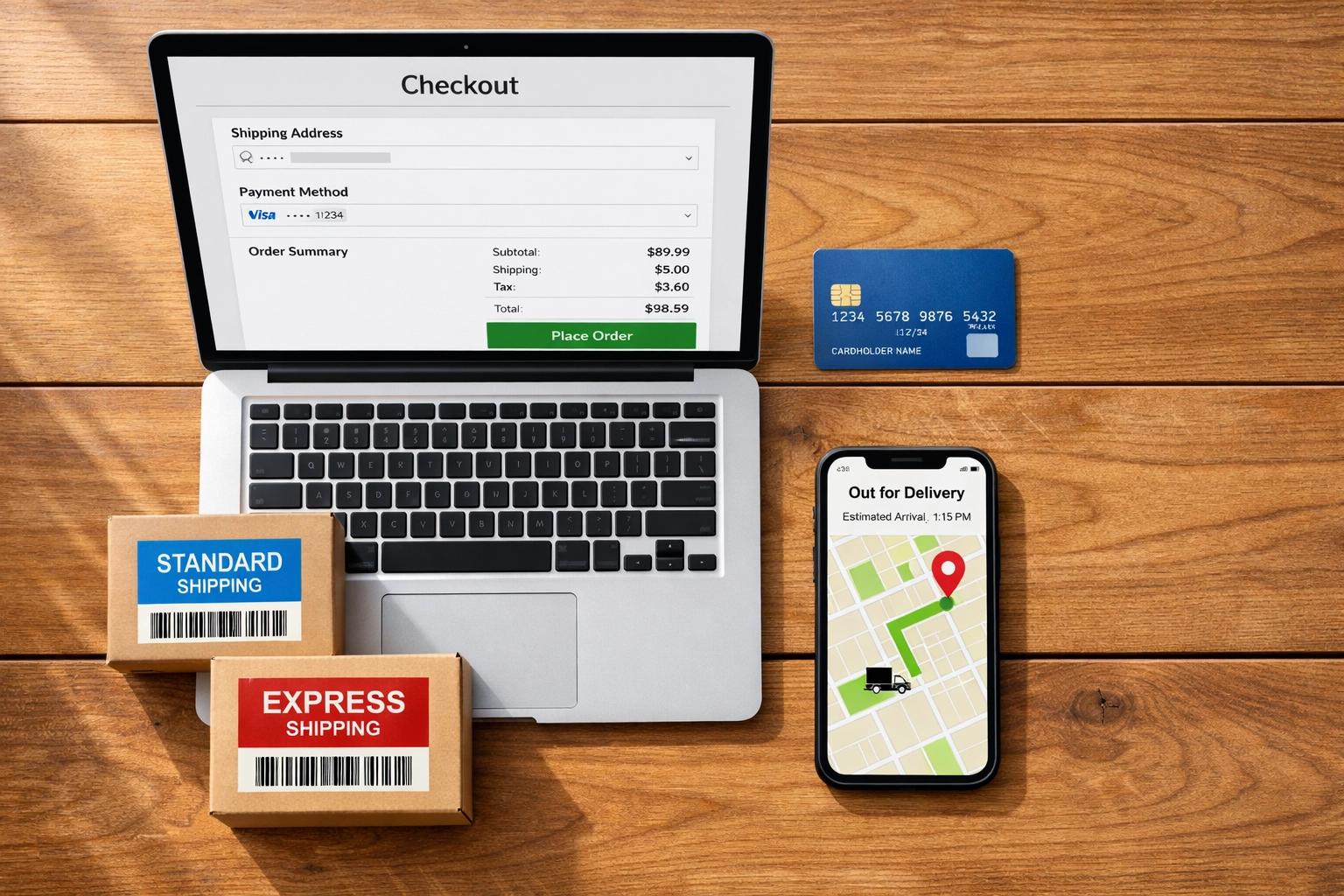
The Smart Strategy: Offer Both
Here's what we've learned helping thousands of e-commerce businesses: the most successful approach is offering both standard shipping and express mail options.
This strategy allows you to:
Capture different market segments: Price-sensitive customers choose standard; time-pressed customers opt for express. Either way, you make the sale.
Maximize profit margins: Standard shipping on routine orders keeps costs down, while express shipping on urgent orders generates premium revenue.
Reduce cart abandonment: Customers appreciate having choices. When they control the cost-speed trade-off, they're more likely to complete purchases.
Build flexibility into your business model: Different products and different seasons may call for different shipping strategies. Having both options in your arsenal gives you adaptability.
At Global Corporate Logistics, we work with e-commerce sellers to create hybrid shipping strategies that balance cost efficiency with customer satisfaction. Our efficient parcel delivery network supports both shipping speeds seamlessly.
How GCL Makes Both Shipping Options Work for You
We've built our entire logistics system around one principle: reliability. Whether you choose standard shipping or express mail, you get the same commitment to quality.
For standard shipping, we provide:
- Competitive bulk rates that protect your margins
- Transparent pricing with no hidden fees
- Basic tracking that keeps customers informed
- Consistent delivery windows you can communicate confidently
For express mail, we deliver:
- Guaranteed delivery timeframes with compensation for delays
- Real-time tracking with multiple daily updates
- Priority handling at every stage of the journey
- Dedicated support for urgent shipments
Our team also handles the complex bits, customs clearance, documentation, and international regulations, so you can focus on growing your business rather than wrestling with shipping logistics.
Whether you're sending parcels UK to UK, UK to US, UK to Dubai, or UK to Australia, we've got the expertise and network to support both standard and express shipping options.

Making Your Decision
The standard shipping vs express mail question doesn't have a one-size-fits-all answer. The right choice depends on your products, your customers, and your business model.
Ask yourself these questions:
- What are your typical order values and profit margins?
- How price-sensitive are your customers?
- What are your competitors offering?
- Do you sell time-sensitive products?
- Can you absorb shipping costs as a customer acquisition strategy?
Most thriving e-commerce businesses land on a balanced approach: standard shipping as the default option with express mail available for customers who need speed. This gives you the flexibility to serve different needs while maintaining healthy margins.
Frequently Asked Questions
What does standard shipping mean exactly?
Standard shipping is the basic, most economical delivery service offered by logistics companies. It typically takes 3-7 business days for UK domestic deliveries and comes with basic tracking. It's the most cost-effective option for non-urgent shipments.
How long does standard shipping take internationally?
International standard shipping times vary significantly by destination. European deliveries typically take 5-10 business days, while worldwide shipments can take 7-21 business days depending on customs processing and distance.
Is express mail worth the extra cost for my business?
Express mail is worth it when customer satisfaction and delivery speed directly impact your sales and retention. If you sell time-sensitive products or compete in markets where fast delivery is expected, express shipping can justify its premium cost through increased conversions and customer loyalty.
Can I offer free standard shipping and still be profitable?
Yes, many successful e-commerce businesses build standard shipping costs into their product pricing. This creates the perception of "free shipping" while protecting your margins. The key is calculating your average shipping cost per order and adjusting prices accordingly.
What's the tracking difference between standard and express shipping?
Standard shipping offers basic tracking with major milestone updates (dispatched, in transit, delivered). Express shipping provides real-time tracking with multiple daily updates, GPS location data, and more detailed status information throughout the entire journey.
Do customers really care about shipping speed?
Yes, studies consistently show that shipping options influence purchasing decisions. However, customers care about different things: some prioritize low cost, others prioritize speed. Offering both options captures both customer segments.
How does Global Corporate Logistics handle customs for international shipments?
We manage all customs clearance documentation and processes for both standard and express international shipments. Our expertise ensures your parcels clear customs efficiently, regardless of shipping speed chosen.
What happens if an express shipment arrives late?
Most express services, including ours, include guaranteed delivery windows. If a shipment arrives late due to carrier error, you typically receive compensation or shipping credit. This guarantee is a key difference between express and standard shipping.
Should I offer both shipping options year-round?
Yes, customer needs vary throughout the year. Some customers always need express shipping, while others always choose the cheapest option. Having both available year-round maximizes your potential customer base and revenue opportunities.
How can I reduce my overall shipping costs without sacrificing quality?
Work with a logistics partner like Global Corporate Logistics that offers volume discounts, optimized routing, and expertise across both standard and express services. Consolidating your shipping through one reliable provider often reduces costs while maintaining quality across both service levels.
Ready to optimize your e-commerce shipping strategy? Whether you need reliable standard shipping, lightning-fast express mail, or a combination of both, Global Corporate Logistics has the solutions and expertise to support your growth. Get in touch today for a shipping consultation tailored to your business needs.