

In 2026, there's a trade opportunity between Nigeria and the UK that many importers are still sleeping on, and it's costing them thousands in unnecessary tariffs. The UK government's Developing Countries Trading Scheme (DCTS) has opened the floodgates for Nigerian exports, granting zero-percent duty on over 3,000 products. That's not a typo: 99% of goods exported from Nigeria now enjoy duty-free access to the UK market.
If you're in the import business or thinking about starting, this is your golden ticket. We've identified 30 of the most profitable, high-demand items that qualify for 0% duty, and in many cases, 0% VAT too. From cocoa beans to dried shrimp, these products represent a massive opportunity for UK-based importers looking to cut costs, boost margins, and tap into the growing demand for African food products.
Let's dive into exactly what this scheme means, which products make the cut, and how Global Corporate Logistics can help you navigate the entire process from Lagos to London, seamlessly, reliably, and profitably.
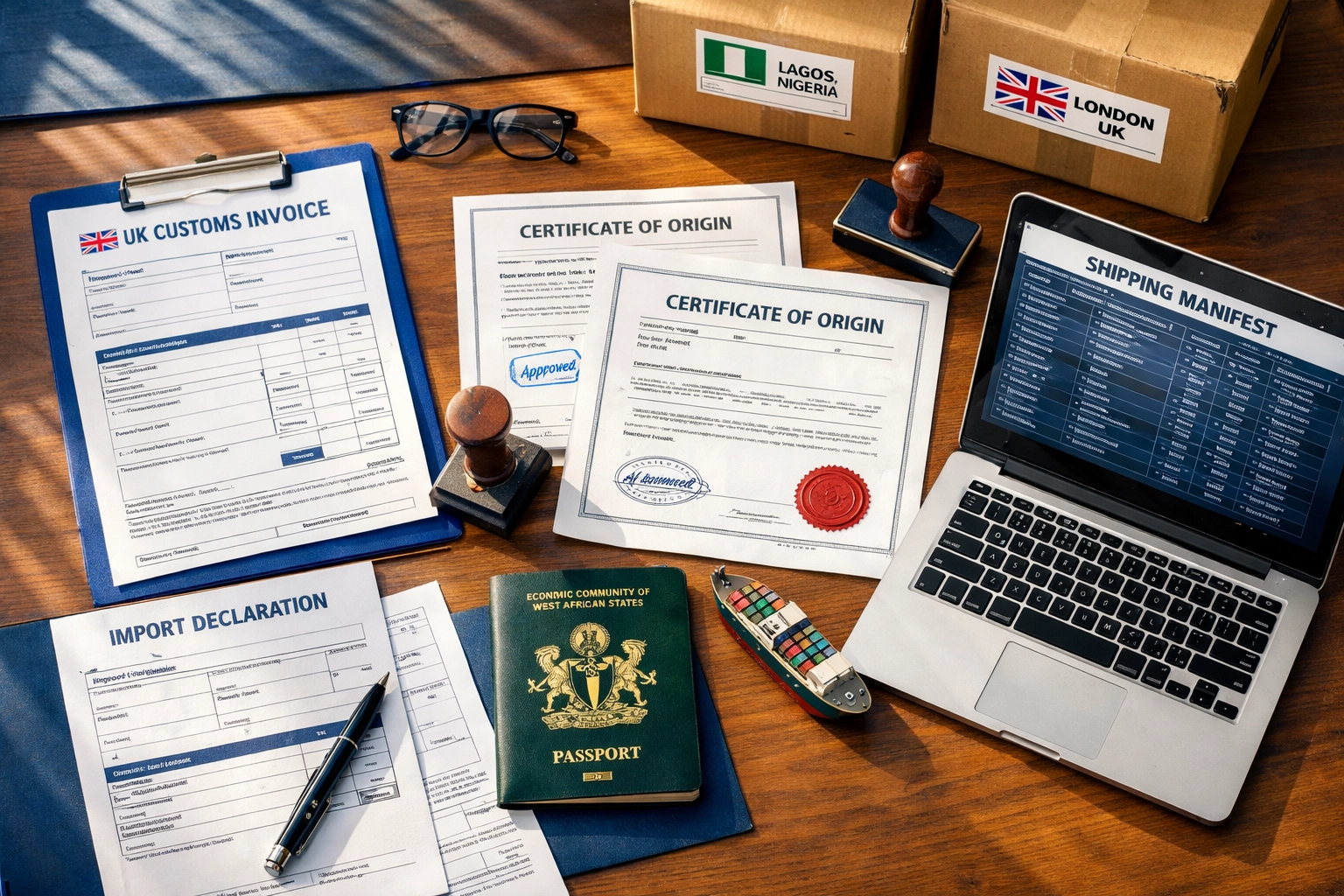
What Is the DCTS and Why Should You Care?
The Developing Countries Trading Scheme (DCTS) launched in June 2023, replacing the UK's older Generalised Scheme of Preferences. It's designed to boost trade with 65 developing countries by slashing import duties and simplifying trading rules. Nigeria sits in the "Enhanced Preferences" tier, which is the top category offering the most generous benefits.
Here's what this means in practical terms:
- Zero tariffs on thousands of product lines from Nigeria to the UK
- Simplified customs procedures that reduce paperwork and delays
- Competitive advantage over imports from countries without preferential access
- Higher profit margins since you're not paying import duty
The catch? You need to meet UK market standards, comply with origin requirements, and navigate the customs clearance process correctly. One misstep can turn your duty-free shipment into a costly headache. That's where expert logistics support becomes essential, and where we come in.
The 30 Zero-Duty Champions: Your Import Goldmine
We've broken down the 30 top items into categories to make your sourcing decisions easier. These products combine high UK demand, reliable Nigerian supply, and zero-duty benefits under DCTS.
Spices & Seasonings
Nigerian spices are experiencing explosive growth in UK African and Caribbean communities, as well as among adventurous home cooks:
- Dried Ginger: Perfect for beverages, cooking, and health products
- Dried Chilies/Peppers: Scotch bonnets and other varieties in high demand
- Black Pepper: Raw, unprocessed peppercorns for value-added processing
- Turmeric: Growing health food market creating consistent demand
- Cloves: Used in cooking, baking, and traditional medicine
- Garlic: Fresh bulbs meeting UK food safety standards
Cash Crops & Raw Materials
These are the heavyweight earners with established global markets:
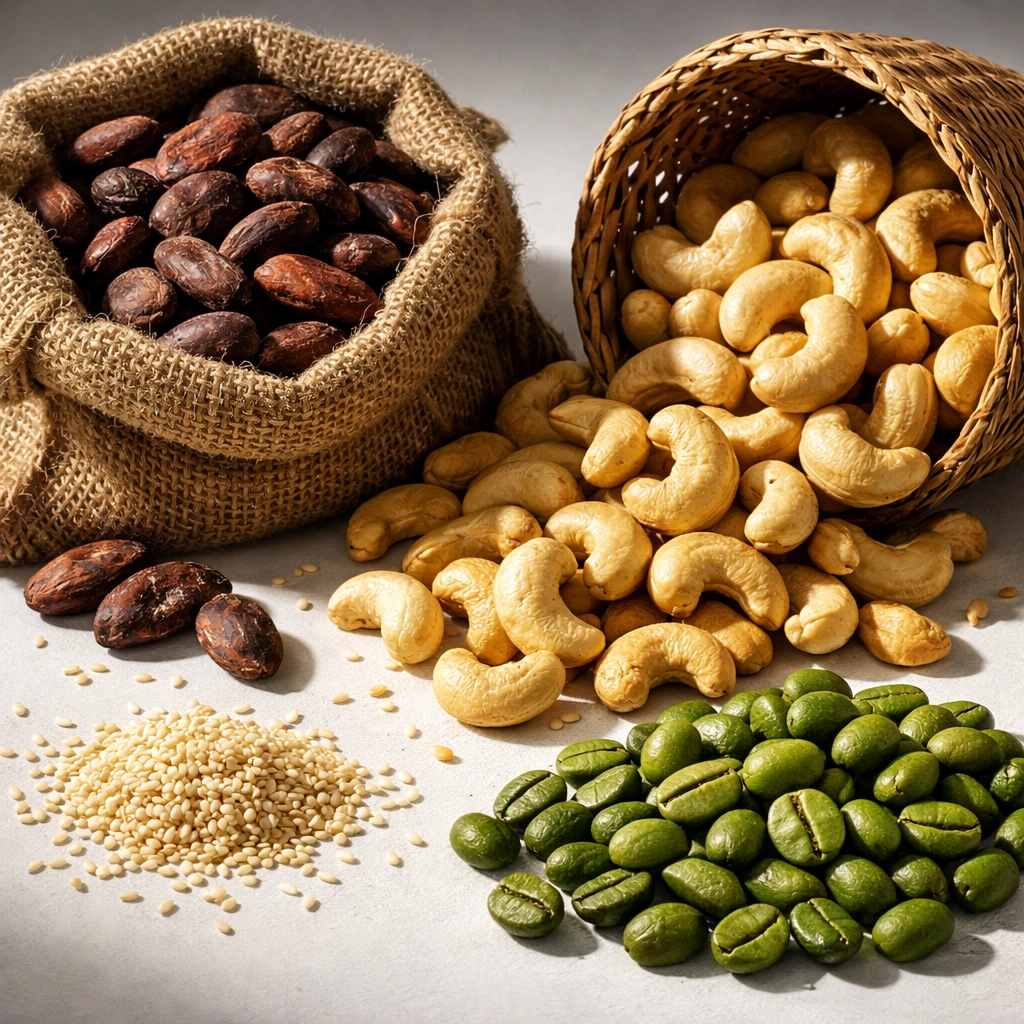
- Cocoa Beans: Nigeria is Africa's fourth-largest producer; UK chocolate manufacturers are hungry for supply
- Raw Cashew Nuts: Before processing, these fetch premium prices
- Sesame Seeds: Booming demand in bakery and health food sectors
- Unroasted Coffee: Green coffee beans for UK roasters
- Soya Beans: Animal feed and food processing applications
- Raw Peanuts: In-shell or shelled, ready for UK processors
African Food Staples
The UK's African diaspora community creates steady year-round demand for these essentials:
- Fresh Yam: Air freight for premium freshness; sea freight UK for bulk orders
- Fresh Plantain: High-volume, high-turnover product
- Garri (Cassava flour): The breakfast champion of West Africa, now in UK supermarkets
- Melon Seeds (Egusi): Essential for traditional soups and stews
- Ogbono Seeds: Growing popularity in specialty African food stores
- Corn/Maize: White and yellow varieties for multiple applications
- Honey Beans: Also called brown beans, used in traditional dishes
Proteins & Preserved Foods
These products have extended shelf lives and strong profit margins:
- Dried Shrimp/Crayfish: Powerhouse flavoring ingredient with premium pricing
- Stockfish: Norwegian cod dried in Nigeria, re-exported to UK
- Dried Bitter Leaf: Medicinal and culinary applications
- Dried Pumpkin Leaves (Ugwu): Nutrient-dense vegetable in dried form
Vegetables & Fresh Produce
Timing and temperature control are critical, but the margins justify the effort:
- Fresh Tomatoes: Standard shipping via air freight during peak season
- Onions: Bulk sea freight for cost efficiency
- Hibiscus Flowers (Zobo): Dried flowers for traditional drinks, teas, and natural beverages
Oils, Nuts & Natural Products
These products often qualify for both 0% duty and 0% VAT due to their food classification:
- Palm Oil (Food grade): Red palm oil increasingly popular in UK health food circles
- Natural Honey: Raw, unprocessed honey from Nigerian beekeepers
- Shea Nuts (Raw): Before processing into shea butter; cosmetics industry goldmine
- Kola Nuts: Traditional stimulant with cultural significance and niche UK demand
Why This Is a Game-Changer for UK Importers
Let's talk numbers. If you're importing £50,000 worth of goods monthly, traditional tariff rates could cost you anywhere from £2,500 to £7,500 in duties, every single month. That's £30,000 to £90,000 annually going straight to HMRC.
Under DCTS, that cost drops to zero.
Here's what that means for your business:
- Dramatically lower landed costs allowing competitive retail pricing
- Higher profit margins without raising prices to customers
- Faster market entry for new product lines without tariff risk
- Scalability since your cost structure doesn't worsen as you grow
But here's the reality check: these benefits only materialize if you navigate UK customs clearance correctly. Incorrect classification, missing origin certificates, or incomplete documentation can result in detained shipments, penalties, and the very duties you're trying to avoid.
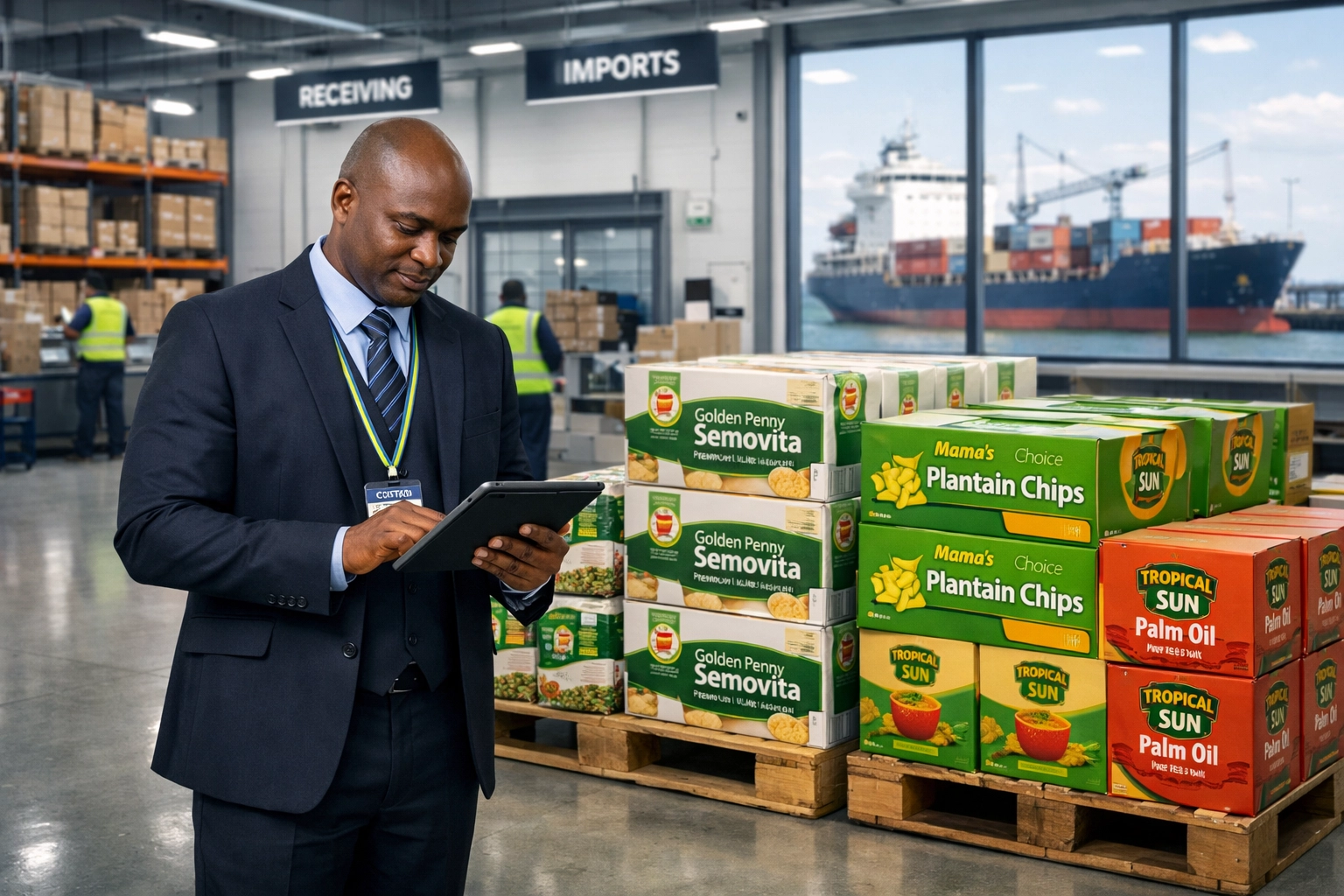
How Global Corporate Logistics Turns 0% Duty Into 100% Results
We've handled hundreds of Nigeria-UK trade lanes, and we understand exactly what DCTS compliance requires. Our end-to-end service ensures you actually capture those zero-duty benefits instead of just reading about them.
Expert Customs Clearance
Our customs team knows DCTS rules inside out:
- Origin verification ensuring your goods meet DCTS requirements
- Classification expertise using correct HS codes for zero-duty eligibility
- Documentation management including certificates of origin and compliance paperwork
- HMRC liaison handling queries and inspections on your behalf
We guarantee smooth clearance through UK ports, eliminating the delays that eat into your zero-duty savings.
Flexible Shipping Solutions
Different products need different approaches:
- Sea freight UK services for bulk shipments of dried goods, grains, and packaged products
- Air freight for fresh produce, yams, and plantains requiring fast transit
- Temperature-controlled options for products needing specific storage conditions
- Consolidation services allowing smaller importers to share container space
Whether you're shipping 100kg or 10 tonnes, we've got standard shipping solutions that match your volume and budget.
Procurement Support
Don't have Nigerian suppliers yet? We help you source quality products:
- Verified supplier networks across Nigeria's agricultural zones
- Quality assurance ensuring UK market standards are met
- Negotiation support getting you fair pricing from reliable sources
- Logistics coordination from farm gate to UK warehouse
This means you can start importing tomorrow, even if you've never done business in Nigeria before.
Full Supply Chain Visibility
Once your goods are in transit, you're never left wondering:
- Real-time tracking from Nigerian port to UK delivery
- Proactive updates if weather, port congestion, or other factors affect timelines
- Exception management where we solve problems before they become your problems
- Documentation portal giving you 24/7 access to all shipping and customs paperwork
This transparency builds trust with your customers and helps you manage inventory accurately.

Getting Started: Your 3-Step Action Plan
Ready to capitalize on the Nigeria-UK 0% duty opportunity? Here's how to begin:
Step 1: Choose Your Products
Review our list of 30 items and identify which products align with your target market. Consider starting with 2-3 products rather than trying to import everything at once. Focus on items where you already have retail connections or clear demand signals.
Step 2: Contact Global Corporate Logistics
Reach out to our team for a free consultation. We'll discuss:
- Estimated shipping costs and timelines
- Customs clearance requirements specific to your chosen products
- Documentation needed from your Nigerian suppliers
- Payment and insurance options
We'll give you a transparent quote with no hidden fees, allowing you to calculate your true landed cost before committing.
Step 3: Place Your First Order
Once you've selected suppliers and locked in pricing, we handle everything else:
- Arrange collection from Nigerian suppliers
- Manage export documentation and Nigerian customs
- Coordinate shipping via sea or air based on your timeline
- Clear your goods through UK customs under DCTS preferences
- Deliver to your UK warehouse or distribution center
Our goal is simple: make your first Nigeria-UK shipment so smooth that it becomes the first of many.
Real Talk: Common Mistakes to Avoid
We've seen importers lose their 0% duty benefits through avoidable errors:
- Assuming all Nigerian products automatically qualify: Only certain HS codes are covered; classification matters
- Missing origin documentation: Without proper certificates, UK customs will charge standard duties
- Ignoring UK product standards: Duty-free doesn't mean regulation-free; food safety rules still apply
- Using inexperienced freight forwarders: DCTS is relatively new; many logistics providers lack Nigeria-UK expertise
- Underestimating transit times: Sea freight from Lagos takes 4-6 weeks; plan your inventory accordingly
Partnering with Global Corporate Logistics eliminates these risks because we've already learned these lessons on behalf of our clients.

The Bigger Picture: UK-Nigeria Trade Is Growing Fast
The DCTS scheme signals the UK government's commitment to deepening trade relationships with African nations post-Brexit. Nigeria, as Africa's largest economy, sits at the center of this strategy.
UK-Nigeria trade has grown steadily, with the diaspora community creating consistent demand for authentic African products. Meanwhile, British businesses are discovering that Nigerian raw materials offer quality and value that traditional European suppliers can't match.
This isn't a temporary opportunity, it's a structural shift in international trade policy. Importers who establish strong Nigeria-UK supply chains now will build competitive moats that last for years.
But like all trade advantages, the biggest gains go to early movers who act while competitors are still reading about it.
Why Global Corporate Logistics Is Your Perfect Partner
We're not just a shipping company, we're your competitive advantage in the Nigeria-UK corridor:
- Specialized DCTS expertise that most general freight forwarders lack
- On-the-ground presence in both Nigeria and the UK
- Proven track record with agricultural and food product imports
- Transparent pricing with no surprise charges eating into your savings
- Scalable solutions that grow with your business
Whether you're importing one pallet of dried ginger or ten containers of cashew nuts, you get the same expert service and attention to detail. We succeed when you succeed, which is why we're obsessed with getting your goods through customs correctly, on time, and at the lowest possible cost.
Our customs clearance services are specifically designed for complex trade schemes like DCTS, ensuring compliance while maximizing your duty savings.
FAQs: Everything You Need to Know About Nigeria-UK 0% Duty Imports
Q: Do all products from Nigeria automatically get 0% duty under DCTS?
No, only products that meet DCTS eligibility requirements and proper origin documentation qualify. Our team verifies classification and ensures all paperwork is correct before shipping to guarantee duty-free treatment.
Q: How long does sea freight from Nigeria to the UK typically take?
Sea freight UK shipments from Lagos to UK ports generally take 4-6 weeks depending on the shipping line and route. We also offer faster air freight options for time-sensitive or perishable products.
Q: Can I import these products if I'm a small business or first-time importer?
Absolutely. We work with businesses of all sizes, from solo entrepreneurs testing the market with sample orders to established importers shipping full containers weekly. Our consolidation services make small-volume importing cost-effective.
Q: What documentation do I need from my Nigerian suppliers?
You'll need commercial invoices, packing lists, certificates of origin, and any product-specific certifications (like food safety certificates for agricultural products). We provide a complete checklist and can even help coordinate with your suppliers to ensure everything's in order.
Q: Are there any restrictions on quantities I can import?
The DCTS scheme doesn't impose quantity limits, but UK food safety and trading standards regulations may have specific requirements depending on the product. We'll advise you on any applicable limits during your consultation.
Q: How do I know if my product qualifies for 0% VAT as well as 0% duty?
Most unprocessed food items qualify for 0% VAT in the UK, while processed foods typically face standard VAT. We help you understand the complete tax treatment of your specific products before you commit to purchasing.
Q: What happens if my shipment gets inspected by UK customs?
Customs inspections are routine and nothing to worry about when you're properly prepared. We manage the entire inspection process, providing requested documentation and liaising with HMRC to minimize any delays.
Q: Can Global Corporate Logistics help me find suppliers in Nigeria?
Yes, we have an extensive network of verified suppliers across Nigeria's agricultural zones. We can connect you with reliable sources and even arrange quality inspections before shipment if needed.
Q: What are the payment terms for your shipping services?
We offer flexible payment options including prepayment, credit accounts for established clients, and milestone-based payments for larger shipments. Specific terms are agreed during your initial consultation based on your business needs.
Q: How quickly can I get my first shipment started?
Once you've selected products and suppliers, we can typically arrange your first shipment within 1-2 weeks. The timeline depends mainly on how quickly your supplier can prepare goods for collection and complete export documentation.
Ready to turn the Nigeria-UK 0% duty opportunity into your competitive advantage? Contact Global Corporate Logistics today for your free consultation. Our experts will walk you through the entire process, provide transparent pricing, and show you exactly how much you can save by importing duty-free from Nigeria.
Don't let competitors capture this goldmine while you're still thinking about it. Ship with Global Corporate Logistics and transform zero-duty potential into real profit.
Visit globalcorporatelogistics.com or reach out to our team directly. Your first duty-free shipment is just one conversation away.