Understanding the Importance of Customized Logistics Solutions
In an increasingly globalized economy, businesses must adapt to unique logistical challenges. Customized logistics solutions allow companies to tailor their shipping strategies to fit the specific needs of their products and target markets. This flexibility can lead to improved efficiency, reduced operational costs, and ultimately, a better customer experience.

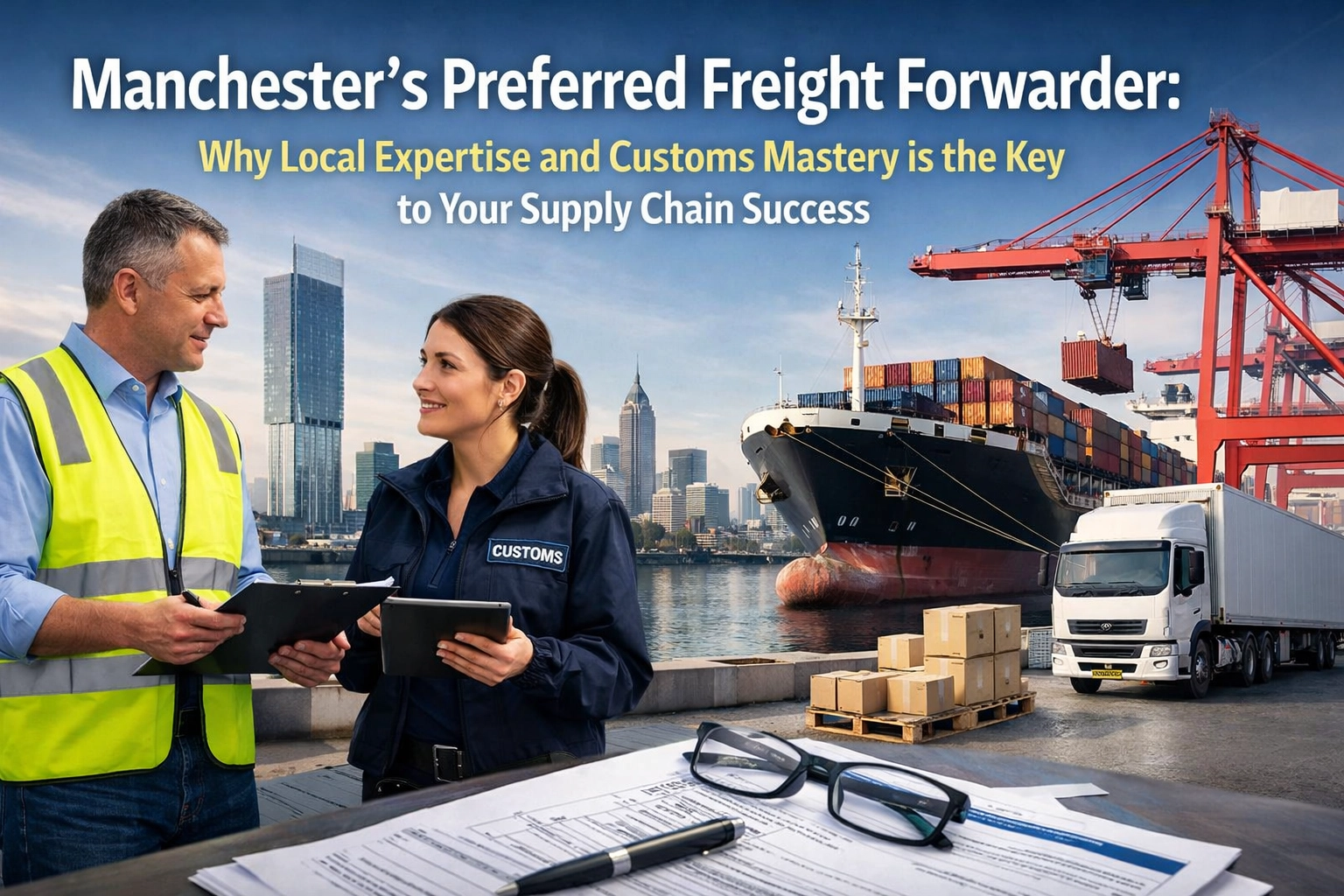
Understanding the nuances of customized logistics also involves recognizing how different regions have unique regulatory requirements and logistical infrastructures. Businesses that leverage localized knowledge and prepare for such variations can streamline their supply chains significantly. By doing so, they position themselves as competitive players in the market, capable of meeting their clients' demands swiftly and effectively.

Emerging Trends in Supply Chain Management
The landscape of supply chain management is continuously evolving, driven by advancements in technology and changing consumer expectations. Current trends show a significant shift towards more data-driven decision-making processes, which enhance predictability and transparency within the supply chain. This transformation allows businesses to proactively manage disruptions, optimize inventory levels, and respond to market fluctuations with agility.
Moreover, sustainability is becoming an integral aspect of supply chain strategies. Companies are increasingly investing in eco-friendly practices, such as reducing carbon footprints and optimizing energy use throughout their logistics processes. This shift not only meets the growing consumer demand for sustainable practices but also often results in cost savings and enhanced brand reputation.
How Technology is Revolutionizing Logistics
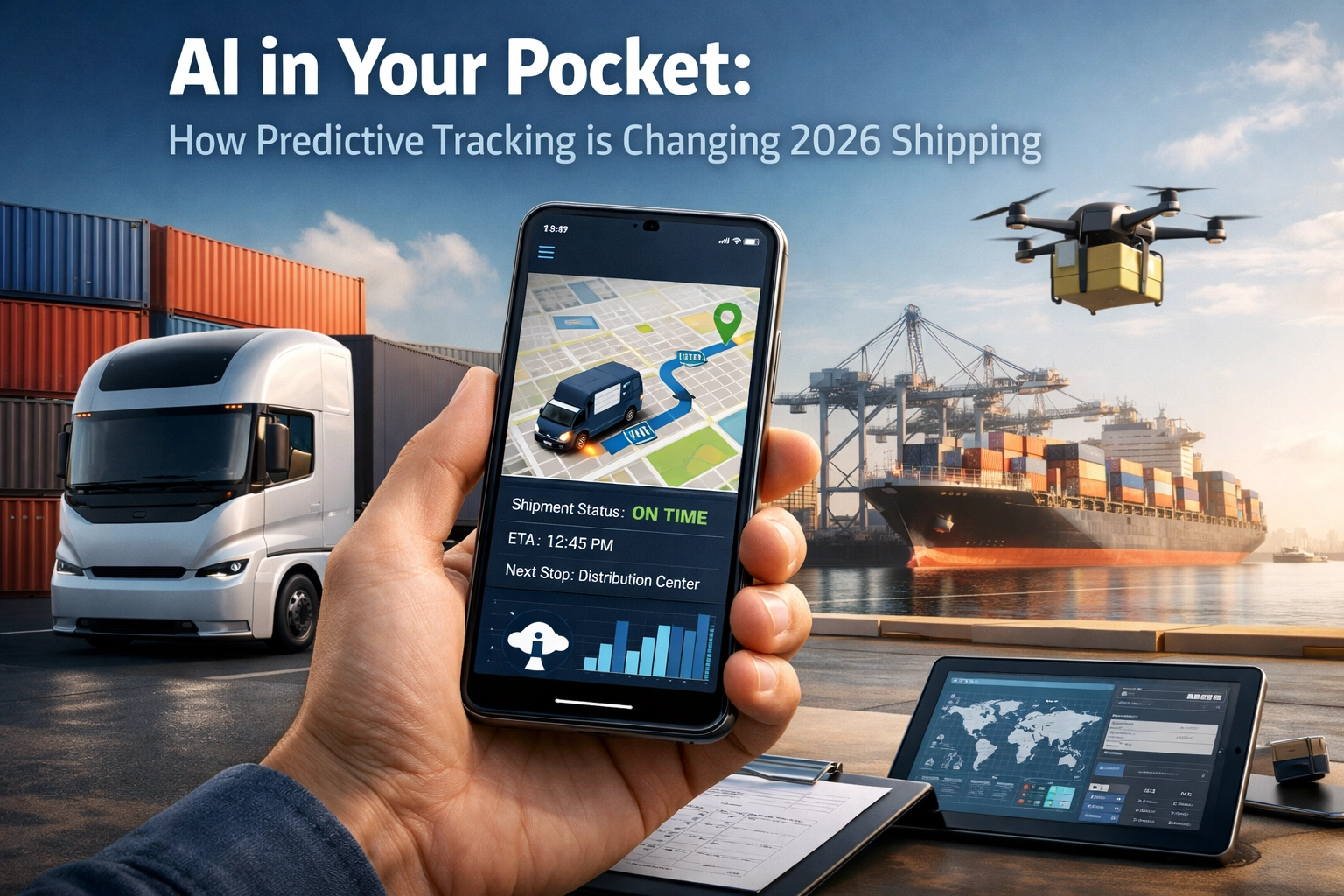
Technology plays a pivotal role in transforming logistics and supply chain management, with innovations like artificial intelligence, blockchain, and IoT devices making waves across the industry. These technologies facilitate real-time tracking of shipments, automating routine tasks, and improving data analytics, all of which contribute to increased efficiency and accuracy in logistics operations. As a result, logistics providers can offer enhanced services while minimizing human errors and delays.
Furthermore, the integration of technology empowers businesses to gain insights into consumer behavior and demand patterns. This data enables companies to make informed decisions regarding resource allocation, inventory management, and delivery scheduling. Ultimately, technology not only streamlines logistics processes but also enhances overall customer satisfaction by ensuring that consumers receive their products timely and in optimal condition.
The Future of E-Commerce Logistics
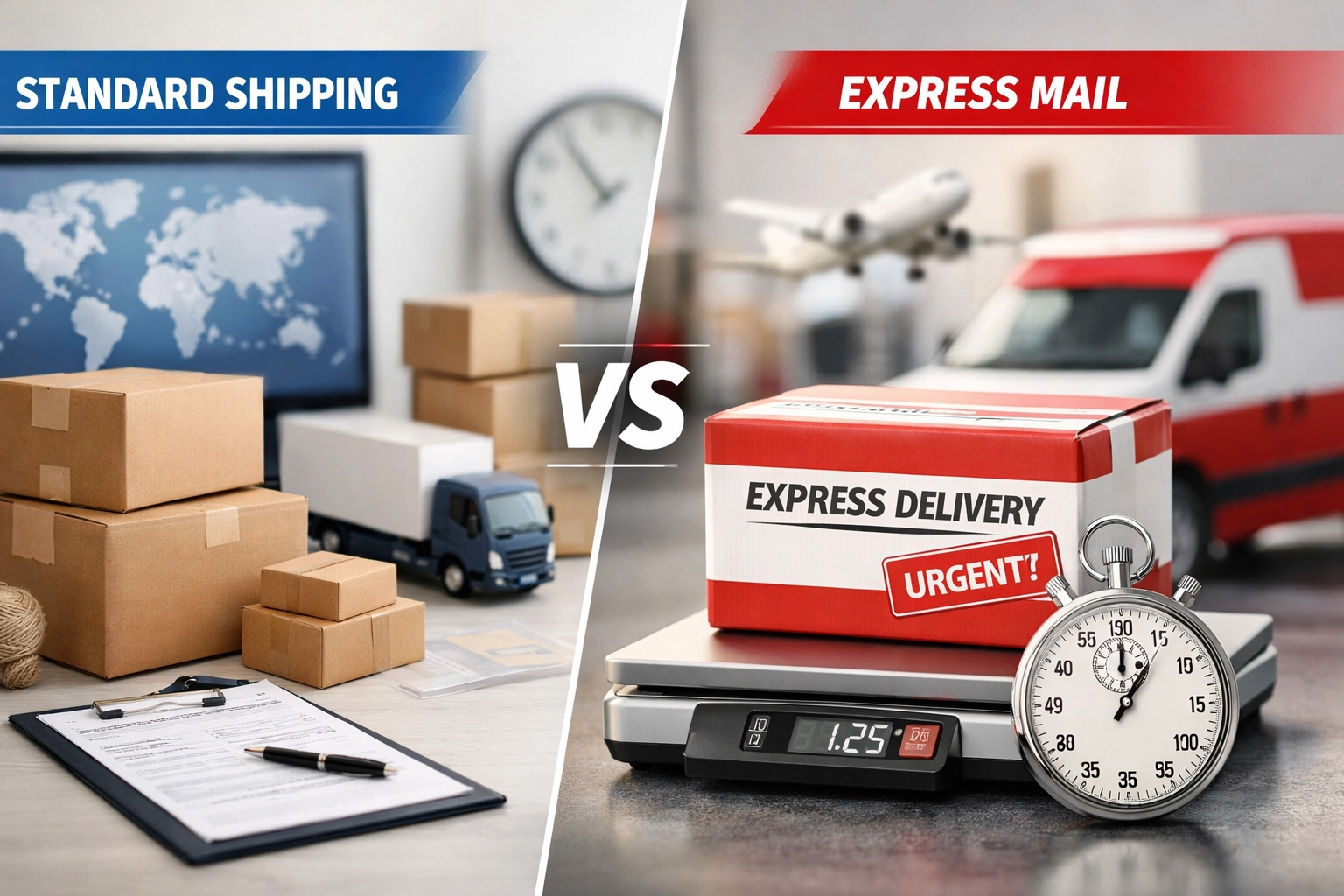
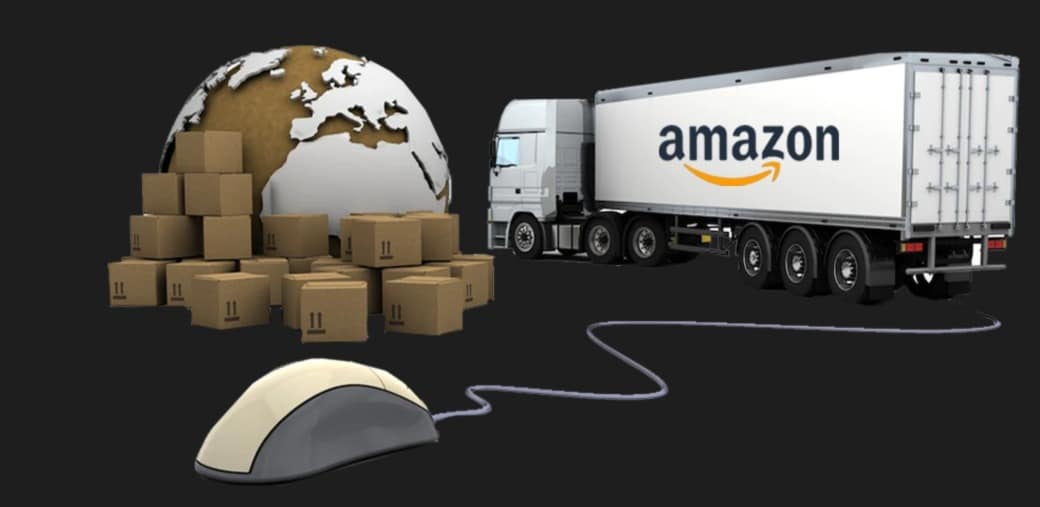
As e-commerce continues to surge, logistics solutions need to adapt to a more dynamic and fast-paced environment. The rise in online shopping has led to heightened consumer expectations for rapid delivery, driving logistics companies to innovate their processes. To meet these expectations, many businesses are investing in automation and leveraging technology to enhance fulfillment strategies, thereby ensuring that products are delivered quickly and reliably.
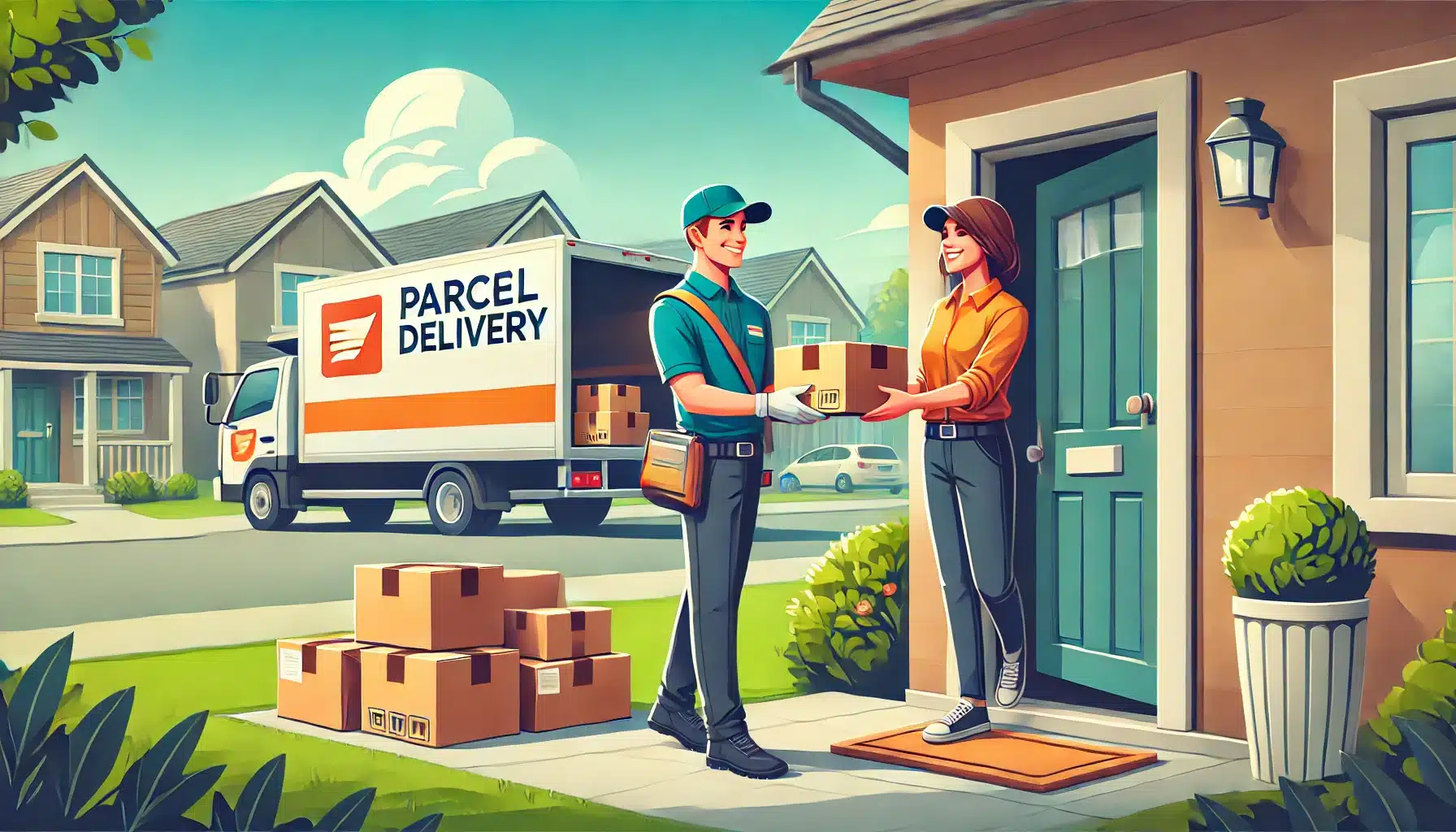
Additionally, the future of e-commerce logistics is likely to see a greater emphasis on last-mile delivery solutions. Companies are exploring various strategies, such as utilizing local fulfillment centers and collaborating with gig economy workers to streamline deliveries. This agility in logistics will not only address consumer demands for speed but also contribute to reducing costs and improving overall supply chain efficiency.