
In today’s fast-paced world, the landscape of UK-EU trade is constantly shifting. Since the transition period ended, businesses across the UK have faced a mountain of paperwork that seems to grow taller with every passing year. In 2026, the stakes are higher than ever, with new regulations and digital requirements making Brexit customs compliance a make-or-break factor for your company's success.
Whether you are a seasoned exporter or a small e-commerce brand looking to reach customers in Paris or Berlin, the complexity can be overwhelming. Missing a single digit on a declaration can lead to held shipments, unhappy customers, and eye-watering fines. We understand that you want to focus on growing your business, not decoding HMRC manuals, which is why we’ve built a system to take that weight off your shoulders.
The days of "frictionless trade" are behind us, but that doesn't mean your logistics have to be a nightmare. Post-Brexit shipping UK requirements now demand a level of precision that many businesses find difficult to maintain internally. Every shipment moving between the UK and the EU is subject to full customs declarations, regardless of the value or the frequency of your trade.
The 2026 regulatory environment has introduced even more layers, particularly for those shipping low-value goods. Regulatory divergence is accelerating, meaning the rules in London might look very different from the rules in Brussels by the time your goods reach the border. Staying compliant isn't just about filing a form; it's about staying ahead of these diverging standards to ensure your goods aren't rejected at the point of entry.
If you’ve been involved in trade for a while, you probably remember the old CHIEF system. However, the Customs Declaration Service (CDS) is now the primary platform for all UK import and export declarations. It is a more robust, data-heavy system that requires specific training to navigate without errors.
Furthermore, if you are moving goods via "roll-on roll-off" ports like Dover or Eurotunnel, you’ll need to be familiar with the Goods Vehicle Movement Service (GVMS). This system allows hauliers to file a single reference for a vehicle containing multiple shipments, but it relies entirely on the accuracy of the underlying customs declarations. If one declaration is wrong, the entire truck could be pulled aside for inspection.
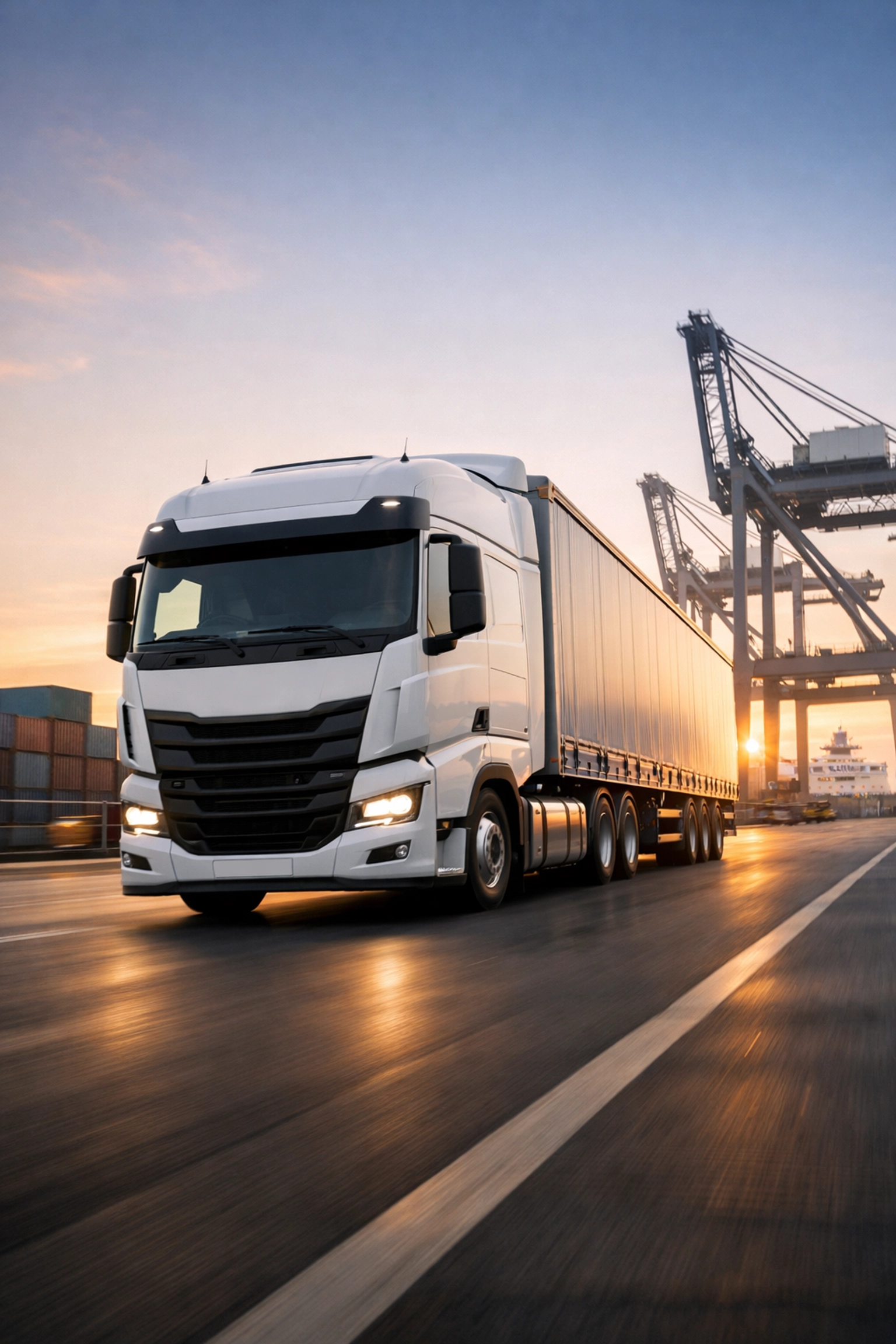
We ensure that every entry we make on your behalf into the Customs Declaration Service is triple-checked for accuracy. This means ensuring the correct Commodity Codes are used, as these codes dictate the rate of duty and VAT applicable to your goods. Using the wrong code is the fastest way to trigger an audit or a penalty, something we proactively work to prevent for our clients.
For hauliers and businesses managing their own transport, GVMS is the digital link that keeps the wheels turning. By generating a Goods Movement Record (GMR), we help you link all your declarations into one scannable barcode. This ensures your drivers spend less time at the port and more time on the road, effectively eliminating the "border bottleneck" that many feared after Brexit.
Many businesses ask us if they really need a UK import export agent to handle their trade. While you can try to do it yourself, the complexity of modern compliance often makes it a false economy. A licensed broker doesn't just "fill in forms"; they act as your legal representative and your first line of defense against compliance risks.
At Global Corporate Logistics Limited, we position ourselves as your expert partner in this journey. We handle the heavy lifting of Brexit customs compliance, allowing you to focus on your core product. Our team stays updated on the latest legislative changes so you don't have to, providing a reliable and reassuring presence in your supply chain.
The landscape is shifting significantly in 2026, particularly for those in the e-commerce sector. Starting in July 2026, the EU is phasing out the €150 duty de minimis exemption. This means that every import into the EU will be subject to customs duty, regardless of how small the value is. This is a massive change for UK retailers selling to European customers.
Additionally, a new flat-rate duty of €3 per unique item category is being introduced by the EU. This means if you ship a box with different types of clothing, you could be hit with multiple flat-fee charges before the goods even reach your customer. On the UK side, while the £135 threshold is staying for now, the transition toward full digital accountability is accelerating.

This July 2026 reform is designed to level the playing field for EU businesses, but it adds a significant cost layer for UK exporters. We help you calculate these costs in advance so there are no "nasty surprises" for your customers at the doorstep. By integrating your sales platform with our customs systems, we can automate the calculation of these new duties at the point of sale.
From March 2026, HMRC is granting UK companies free, self-service access to their own customs declaration data. This is a double-edged sword; while it gives you more transparency, it also means regulators expect you to proactively identify and fix your own errors. We provide regular audits of this data for our clients, ensuring that what HMRC sees is a clean, compliant record of your trade history.
For modern online retailers, manual data entry is the enemy of growth. If you are selling hundreds of items a week across the UK and EU, you need a solution that speaks the language of your e-commerce platform. This is where Shipflow comes into play, providing a bridge between your online store and the complex world of customs.
By choosing Global Corporate Logistics Limited and our Shipflow integration, you can automate your customs declaration service needs. This ensures that every order placed on your website automatically generates the correct paperwork, EORI verification, and tax calculations. It’s the ultimate way to achieve a seamless transition into international markets without hiring a whole new department.
Ready to take the stress out of your international shipping? Sign up for Shipflow today and experience the future of automated logistics.
Navigating the post-Brexit world doesn't have to be a solo mission. By partnering with a reliable UK import export agent, you gain access to the tools and expertise needed to thrive in the 2026 market. We pride ourselves on being more than just a service provider; we are a dedicated wing of your logistics team.
From handling CDS declarations to managing the new EU duty reforms, Global Corporate Logistics Limited ensures your supply chain remains robust. We guarantee a professional approach that prioritizes your business’s safety and growth. Let us handle the compliance, so you can handle the success.
For more insights into optimizing your supply chain, check out our guide on how to navigate UK import customs clearance or explore our customs clearance services for more specialized support.
1. What is Brexit customs compliance?
It refers to the legal requirement for businesses to follow the new rules for moving goods between the UK and the EU, including filing declarations and paying relevant duties.
2. Do I need an EORI number to ship to the EU?
Yes, every business moving goods between the UK and the EU must have an Economic Operator Registration and Identification (EORI) number.
3. What is the Customs Declaration Service (CDS)?
CDS is the UK government’s digital platform for handling all customs declarations, replacing the older CHIEF system.
4. How will the July 2026 EU duty changes affect my business?
The EU is removing the €150 duty-free threshold, meaning all imports will incur customs duty and potentially new flat-rate fees.
5. Can Global Corporate Logistics handle both imports and exports?
Yes, we are a full-service broker handling both UK imports and exports, ensuring compliance on both sides of the border.
6. What is Postponed VAT Accounting (PVA)?
PVA allows UK VAT-registered businesses to account for import VAT on their periodic VAT returns rather than paying it at the point of entry.
7. How do I avoid customs penalties?
The best way to avoid penalties is to work with a licensed broker like GCL who ensures all data entry is accurate and compliant with current laws.
8. Is Shipflow suitable for small e-commerce businesses?
Absolutely; Shipflow is designed to automate customs paperwork for businesses of all sizes, making international growth affordable and easy.
9. What documents are needed for UK-EU trade?
Common documents include the commercial invoice, packing list, and proof of origin, all of which are used to generate the customs declaration.
10. How long does customs clearance usually take?
With accurate paperwork and our digital integration, most clearances are processed within 24 to 48 hours, depending on the port and the nature of the goods.
Contact Us Today
Global Corporate Logistics Limited
https://globalcorporatelogistics.com
Expertise you can trust. Logistics you can rely on.