

If you're importing goods by sea into the UK or EU, there's a regulatory shift happening right now that could stop your cargo dead at the port, and most importers don't even know it's coming.
ICS2 Phase 3 is already live. The old safety net ended on February 3, 2026. And if your freight forwarder isn't submitting complete, accurate pre-arrival data before your vessel docks, customs authorities can issue a "Do Not Load" decision or delay your cargo indefinitely.
Here's what changed, why it matters, and how Global Corporate Logistics ensures your sea cargo moves through without a hitch.
What Is ICS2 Phase 3, and Why Does It Affect Your Sea Cargo?
ICS2 (Import Control System 2) is the EU's upgraded security framework designed to identify risks before goods even arrive. Phase 3, which became fully operational on September 1, 2025, extends these requirements to all sea cargo shipments entering the EU and UK.
Previously, many shipments could clear customs with basic information. Not anymore.
Now, every container, every pallet, and every piece of sea cargo must have a complete Entry Summary Declaration (ENS) filed before the ship arrives. This isn't a courtesy, it's a legal requirement. Customs authorities use this data to conduct pre-arrival risk analysis, and if the information is incomplete, vague, or wrong, your cargo gets flagged.
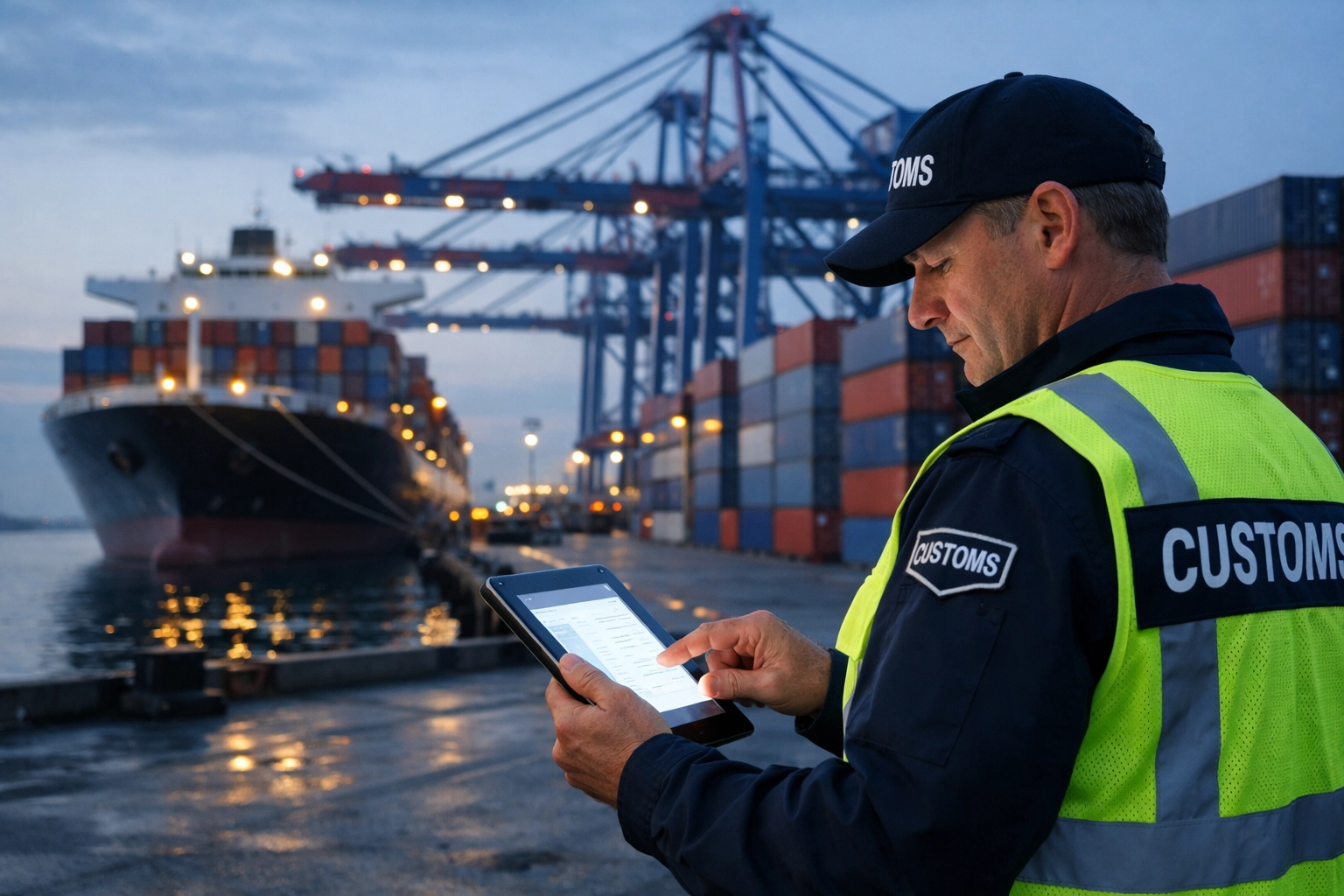
The goal? To stop illicit goods before they reach the port. But the reality? Even honest importers can find their containers stuck because of data errors or outdated filing systems.
Here's what the ENS must now include for every sea cargo shipment:
- Accurate goods descriptions (no more "general merchandise")
- Six-digit Harmonized System (HS) codes for every item
- Shipper and consignee details with full addresses
- Package counts and routing information
- Precise weights and container numbers
- Exact delivery locations
If any of this data is missing, incorrect, or submitted late, customs can halt the entire shipment.
The February 3, 2026 Enforcement Date: The Old System Is Gone
On February 3, 2026, the EU permanently switched off the old message formats. Every freight forwarder, carrier, and importer must now use ICS2 version 3 messaging, no exceptions.
This wasn't a grace period extension. It was a hard cutoff.
Economic operators who hadn't upgraded their systems by this date faced immediate disruption. Cargo was delayed at ports. Connections were missed. Demurrage charges piled up. And in some cases, customs authorities simply refused to process shipments that didn't meet the new standard.
If you're working with a traditional freight forwarder who hasn't invested in digital compliance systems, this is where the cracks show.
At Global Corporate Logistics, our systems were upgraded months before the deadline. We've been filing ICS2-compliant ENS declarations for our clients' sea cargo since Phase 3 went live. That means zero surprises, zero delays, and zero risk of your cargo being flagged at the port.
What Happens If You Get ICS2 Pre-Arrival Data Wrong?
Customs authorities don't issue warnings. They issue controls.
Here's what incomplete or inaccurate pre-arrival data can trigger:
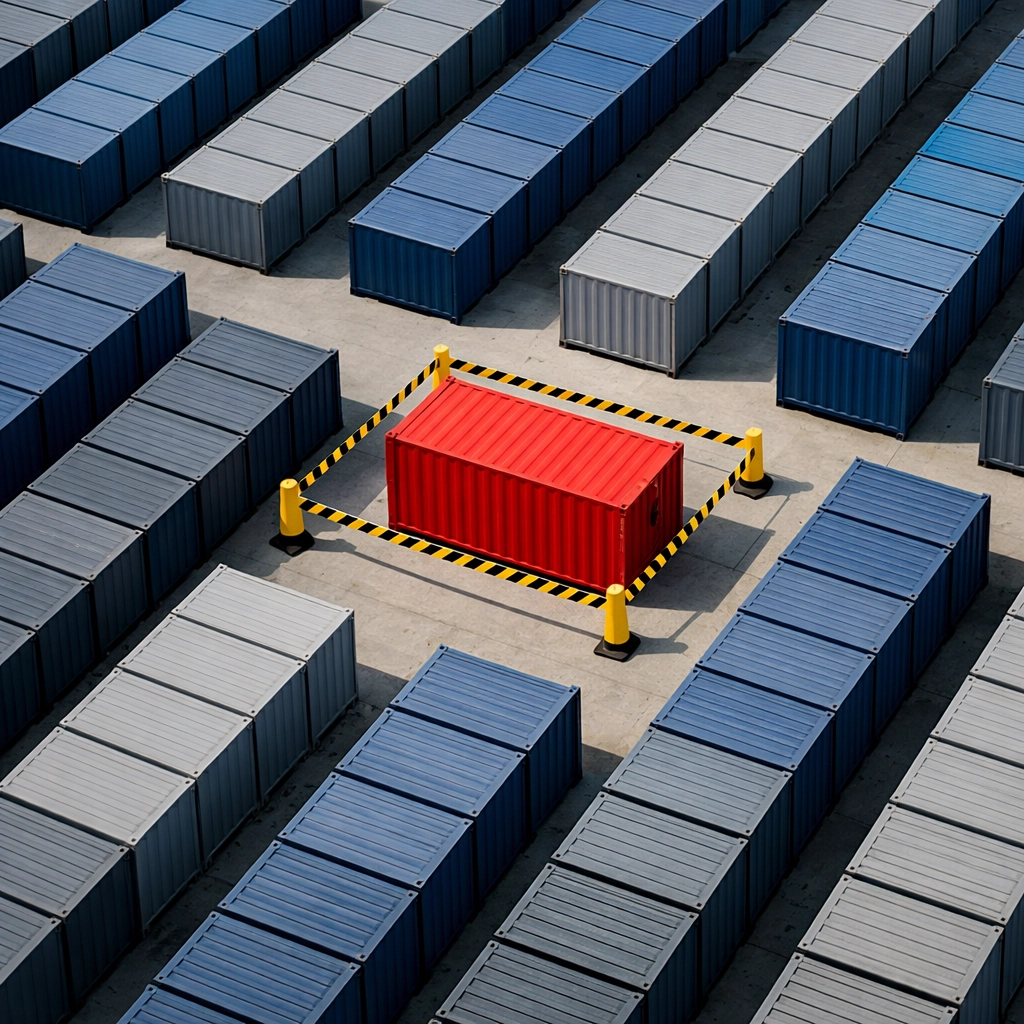
- "Do Not Load" decisions: If the risk analysis identifies problems before the ship departs, your container won't even make it onto the vessel. You'll need to re-file, re-book, and re-schedule, adding weeks to your delivery timeline.
- Delayed clearance at arrival: If the data passes initial checks but customs flags inconsistencies upon arrival, your cargo sits at the port until the issues are resolved. Meanwhile, storage fees and demurrage charges stack up.
- Physical inspections: Vague descriptions like "electronics" or "machinery parts" can trigger full container inspections, which can take days or weeks depending on port congestion.
- Financial penalties: EU customs authorities actively apply sanctions for late, incomplete, or inaccurate filings. These fines can run into thousands of pounds per shipment.
The worst part? Many importers don't realize there's a problem until the cargo is already stuck. By then, the damage is done.
How GCL's Digital-First Systems Handle ICS2 Compliance Automatically
We saw this coming. That's why we invested in digital infrastructure that handles ICS2 Phase 3 compliance from the moment you book your sea cargo shipment.
Here's how our system works:
- Pre-shipment data verification: Before your cargo leaves Asia or the Middle East, our team verifies every data point, HS codes, descriptions, weights, addresses. No guesswork. No shortcuts.
- Automated ENS filing: Our digital platform submits your complete Entry Summary Declaration to customs authorities within the required timeframes. You don't lift a finger.
- Real-time tracking and alerts: If customs requests additional information or flags a discrepancy, you're notified immediately. We resolve issues before they become delays.
- Customs expertise in Manchester: Our team at 0161 706 1220 includes customs specialists who understand both the technical requirements of ICS2 and the practical realities of clearing sea cargo through UK and EU ports.
This isn't just software, it's backed by human expertise. We've cleared thousands of sea cargo shipments since Phase 3 launched, and our clients haven't experienced a single ICS2-related delay.
What You Need to Do Right Now
If you're currently importing by sea, or planning to, here's your action plan:
-
Audit your current freight forwarder: Ask them directly: "Are you filing complete ICS2 Phase 3 ENS declarations for my sea cargo?" If they hesitate or deflect, that's a red flag.
-
Verify your HS codes: Vague or incorrect Harmonized System codes are the number one cause of ICS2 delays. We can audit your product classifications for free.
-
Switch to a digital-first forwarder: Traditional forwarders who rely on manual data entry can't keep pace with ICS2 requirements. You need a partner with automated compliance systems.
-
Get your data right the first time: Customs authorities don't negotiate. The data you submit must be complete and accurate before the vessel departs.
At Global Corporate Logistics, we handle all of this automatically. You focus on your business. We ensure your sea cargo clears customs without delays, penalties, or surprises.
Free Freight + Customs Health Check
Not sure if your current setup is ICS2-compliant? We're offering a free freight and customs health check for UK importers. We'll review your shipment data, identify compliance gaps, and show you exactly how we'd handle it differently.
No obligation. No sales pitch. Just expert advice from a Manchester freight forwarder who's already navigating ICS2 Phase 3 successfully.
Or call us directly: 0161 706 1220
FAQ: ICS2 Phase 3 and Sea Cargo Compliance
What is ICS2 Phase 3?
ICS2 Phase 3 is the EU's upgraded import security system that requires complete pre-arrival data for all sea cargo shipments. It became mandatory on September 1, 2025, with enforcement tightening on February 3, 2026.
Does ICS2 Phase 3 apply to UK imports post-Brexit?
Yes. While the UK has left the EU, similar pre-arrival data requirements apply to goods entering the UK, and UK goods entering the EU must comply with ICS2. If you're shipping between the UK and EU, compliance is mandatory.
What happens if I don't submit pre-arrival data?
Customs authorities can issue a "Do Not Load" decision, delay clearance at arrival, trigger physical inspections, or apply financial penalties. Your cargo won't move until the data is corrected.
What is an Entry Summary Declaration (ENS)?
An ENS is a digital customs declaration that provides safety and security information about your cargo before it arrives. It includes goods descriptions, HS codes, shipper details, weights, and routing information.
How early must the ENS be filed?
For sea cargo, the ENS must be submitted before the vessel departs the origin port. The exact timing depends on the shipping route, but it's typically 24-48 hours before departure.
Can I file the ENS myself, or does my freight forwarder handle it?
Your freight forwarder should handle ENS filing on your behalf. At GCL, we manage the entire process automatically using digital systems that ensure accuracy and timeliness.
What are HS codes, and why do they matter for ICS2?
Harmonized System (HS) codes are six-digit product classifications used globally for customs and trade. ICS2 requires accurate HS codes for every item in your shipment. Incorrect codes can trigger delays or inspections.
What if I'm shipping mixed cargo with multiple products?
Every product in your shipment requires its own HS code and accurate description. Our team handles multi-product shipments daily and ensures each item is classified correctly for ICS2 compliance.
How does GCL ensure my sea cargo data is ICS2-compliant?
We use automated verification systems that check every data point before submission. Our customs specialists review complex shipments manually. And we track every filing in real-time to catch issues before they cause delays.
What should I do if my current forwarder isn't ICS2-compliant?
Contact us at 0161 706 1220 for a free freight and customs health check. We'll review your current setup, identify compliance gaps, and show you how we'd handle your sea cargo differently: with zero ICS2 delays.
Global Corporate Logistics Limited is a Manchester freight forwarder specializing in sea freight and customs clearance. We handle ICS2 Phase 3 compliance automatically, ensuring your cargo clears UK and EU ports without delays. Call 0161 706 1220 or visit our website to learn more.