

If you're selling on Shopify, Amazon, or eBay and shipping into the EU, July 1, 2026 is a date you need burned into your calendar. The €150 customs duty exemption, the safety net that's kept small-value parcels flowing duty-free for years, is being scrapped. Every commercial shipment, no matter how small, will now incur customs duties.
This isn't a minor tweak. This is a fundamental shift in how cross-border e-commerce works, and if you're not prepared, you'll watch your margins evaporate and your customer satisfaction tank. But here's the good news: with the right strategy and the right partners, you can turn this challenge into a competitive advantage.
What's Actually Changing on July 1, 2026
Let's cut through the noise and get straight to what's happening. The EU is killing the "de minimis" exemption that allowed parcels valued under €150 to enter duty-free. In its place, they're introducing a €3 flat customs duty per item category for goods under €150.
Here's where it gets tricky, and where most sellers are going to get blindsided. That €3 isn't per parcel or per item. It's per distinct tariff sub-heading within each parcel.
Let's say you're shipping a parcel with one silk blouse and two wool blouses. You're paying €6 in duties because those fall under two different tariff classifications. One item category for silk, one for wool. The EU's customs system doesn't care that they're all blouses, it cares about the material composition and the HS code.
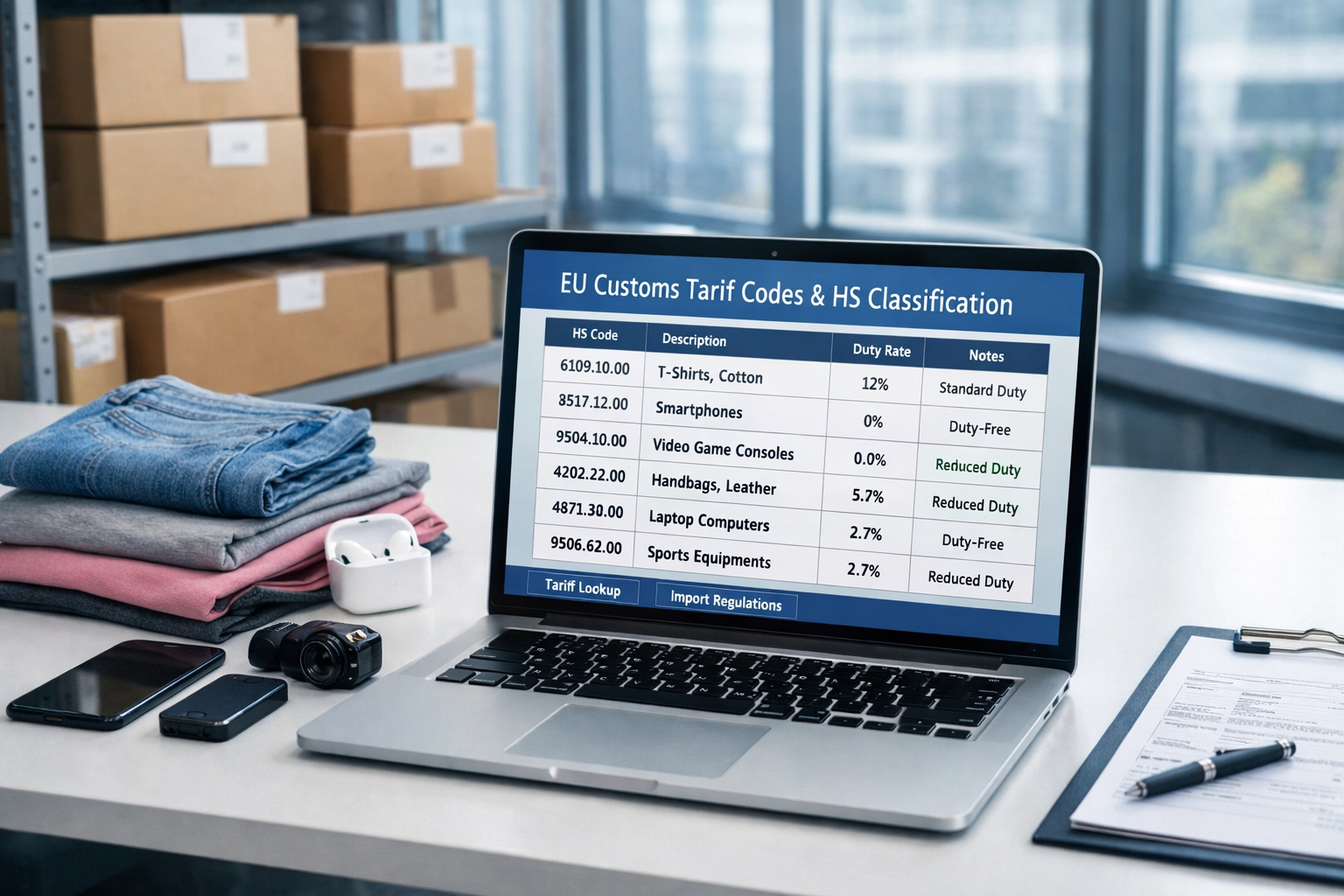
This interim measure runs until July 1, 2028, when the EU Customs Data Hub goes live. After that? Full customs tariffs apply to everything, regardless of value. Think of the next two years as your warm-up period before the real marathon begins.
Why This Matters More Than You Think
If you've been relying on that €150 exemption to keep your prices competitive, you're about to feel the squeeze. The math is brutal:
- Higher landed costs that pressure your margins immediately
- Stricter customs data requirements with a much higher risk of seizure if you get something wrong
- Longer customs processing times if your shipments lack accurate, detailed data
- Higher refusal rates on DAP (Delivered at Place) shipments, where customers pay duties on delivery and simply refuse parcels with unexpected charges
- Operational complexity calculating duties based on the number of distinct item categories per parcel
We're already seeing sellers in Manchester and across the UK scrambling to figure out their 2026 strategy. The ones who wait until June to sort this out? They're the ones who'll be stuck with containers full of rejected parcels and angry customers demanding refunds.
The Immediate Impact on Your E-commerce Business
Let's talk about what this means in practical terms. If you're a worldwide courier user shipping consumer goods from the UK or China into the EU, your cost per parcel just went up. Not by a little, by enough to make products that were profitable yesterday unprofitable tomorrow.
Here's what changes on your end:
- Pricing recalculations: Every SKU you sell needs a fresh landed cost analysis. What worked at €0 in duties doesn't work at €3+ in duties plus handling fees.
- Customer communication: Your checkout page needs to reflect the new reality. Surprise customs bills = abandoned carts and bad reviews.
- Fulfillment strategy: Shipping direct from outside the EU might no longer make sense. EU-based warehousing could suddenly be cheaper.
- Data accuracy: One wrong HS code and your parcel sits in customs purgatory, or worse, gets seized.
This is where the phrase "send parcel to USA" becomes relevant for some sellers. If the EU market becomes too costly, pivoting to US or UK-focused sales might be your new game plan. But that's reactive, not proactive.
How to Prepare and Actually Win in 2026
The sellers who survive, and thrive, are the ones who treat this as a strategic opportunity, not just a compliance headache. Here's your action plan:
1. Audit Your Product Portfolio Now
Not all products are created equal under the new rules. Run the numbers:
- Which SKUs depend heavily on the €150 exemption?
- Which products have multiple tariff classifications (and therefore multiple €3 charges)?
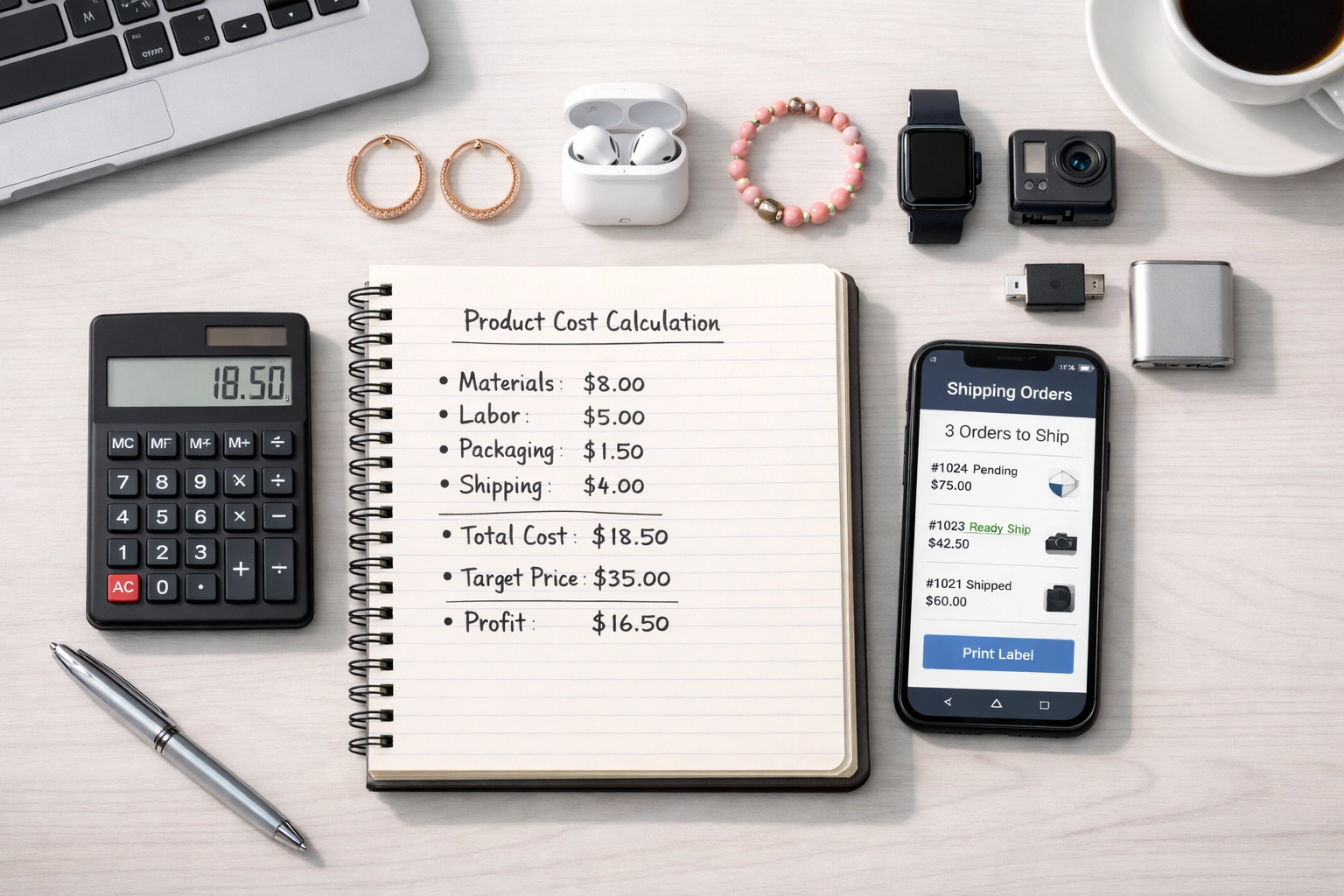
- What's your new break-even point per parcel?
If a product was marginally profitable before, it's probably a loss-maker now. Cut it or reprice it.
2. Shift to DDP (Delivered Duty Paid) Terms
Here's a secret most sellers don't realize until it's too late: DAP is dead in this new world. When customers have to pay unexpected duties at the door, refusal rates skyrocket.
Switch to DDP. You collect all costs, product, shipping, duties, taxes, upfront at checkout. The customer pays once, gets their parcel, and doesn't have an angry courier demanding €15 at their doorstep. Your delivery success rate stays high, and you control the customer experience.
3. Get Your Customs Data Bulletproof
This is non-negotiable. The EU's new enforcement is strict, and incorrect data means delays, fines, or seizures. You need:
- Accurate HS codes for every product variant
- Correct country of origin documentation
- Consistent product valuations across all your systems
- Item-level customs declarations that break down exactly what's in each parcel
If you're doing this manually in a spreadsheet, you're already behind. You need automation that integrates with your sales channels and validates data before the parcel leaves your warehouse.
4. Partner with a Licensed Manchester Customs Clearance Agent
Look, you can try to DIY your way through this, but customs brokerage is one of those areas where expertise saves you exponentially more than it costs. A Manchester customs clearance agent who knows the EU's new systems inside and out will:
- Handle the complex tariff classifications
- Ensure your data meets the new ICS2 Phase 3 requirements (another 2026 fun surprise)
- Catch errors before they cause shipment holds
- Provide the licensed brokerage support that keeps goods moving
That's where we come in. Global Corporate Logistics has been navigating these exact regulatory shifts for years, and we've already built the infrastructure to handle the 2026 changes seamlessly. Our team in Manchester is fielding calls daily from sellers who need help, reach us at 0161 706 1220 if you want to talk through your specific situation.
5. Automate Everything with Shipflow
Here's the reality: you can't manually manage customs data for thousands of parcels a month. You need a platform that automatically generates compliant customs documentation, integrates with your store, and handles the new €3 duty calculations without you lifting a finger.
That's exactly what Shipflow.io does. It's built specifically for e-commerce sellers who need:
- Automated customs declarations that match EU requirements
- Real-time duty calculations so you can price accurately
- Integration with Shopify, Amazon, WooCommerce, and other platforms
- DDP shipping support that collects duties at checkout
- Shipment tracking and data validation that catches errors before they cause problems
We've designed Shipflow to take the customs nightmare off your plate entirely. You focus on selling. We make sure your parcels clear customs without drama.
Why Manchester-Based Expertise Matters
You might be wondering why we keep mentioning Manchester. Simple: location matters in logistics. Having a customs clearance operation near Manchester Airport means we're positioned at one of the UK's major freight hubs. When your shipments hit delays or issues, we're physically there to resolve them.
But it's more than geography. It's relationships. Our team has direct lines to HMRC, we've processed hundreds of thousands of declarations, and we've built the systems that handle the kind of volume e-commerce sellers need. Whether you're shipping UK to US, UK to Dubai, or handling complex EU lanes, we've done it before, thousands of times.
Your Next Steps Before July 1, 2026
We're less than five months out. Here's what you need to do this week:
- Run a cost analysis on your top 20 SKUs with the new €3+ duty structure
- Book a free freight and customs health check with our team (form below)
- Set up a Shipflow account to automate your customs data
- Test DDP shipping on a small batch of orders to measure the impact
- Communicate with your customers about any pricing or delivery changes
The sellers who act now will have systems tested and working by July. The ones who wait will be firefighting on July 2 when shipments start getting held.
Get Your Free Freight + Customs Health Check
Not sure if your current setup can handle the 2026 changes? We'll audit your shipping processes, identify vulnerabilities, and show you exactly what needs to change before July 1.
FAQs: Everything You Need to Know About the 2026 Duty Changes
1. Does the €3 duty apply to every single item in my parcel?
No, it applies per tariff sub-heading, not per individual item. If you ship three identical t-shirts, that's one tariff category and one €3 charge. If you ship a t-shirt, a pair of jeans, and a hat, those are three different categories, so €9 in duties.
2. Can I still ship parcels under €150 value duty-free?
Not after July 1, 2026. The exemption is completely eliminated for commercial shipments. Every parcel incurs at least €3 in customs duties, plus any applicable VAT and handling fees.
3. What happens if I get the tariff classification wrong?
Your shipment gets held in customs, and you'll need to provide corrected documentation. In serious cases, goods can be seized. This is why accurate HS codes and working with a Manchester customs clearance agent is critical.
4. Should I switch all my EU customers to DDP shipping?
Yes, in most cases. DAP (where the customer pays duties on delivery) leads to much higher refusal rates when customers see unexpected charges. DDP lets you control the experience and collect all costs upfront.
5. Will this affect my shipments to the USA or other countries?
No, this is an EU-specific regulation. However, if you're looking to diversify away from the EU market, we can help you optimize your send parcel to USA operations or other international lanes.
6. How does this impact my Amazon FBA business?
If you're shipping inventory into EU FBA warehouses from outside the EU, you'll need to ensure your customs declarations are perfect and factor the new duties into your landed costs. Amazon won't handle this for you, it's your responsibility as the seller of record.
7. What's the EU Customs Data Hub launching in 2028?
It's a centralized system for all EU customs data. When it goes live on July 1, 2028, the interim €3 flat duty disappears and full tariff rates apply to all goods regardless of value. Think of 2026-2028 as a transition period.
8. Can Shipflow handle the new duty calculations automatically?
Yes, that's exactly what it's built for. Shipflow integrates with your store, pulls product data, applies the correct tariff classifications, and calculates duties automatically so you can charge customers accurately at checkout.
9. How quickly can I get set up with customs support from GCL?
Usually within a few days. Call us at 0161 706 1220 and we'll walk you through what's needed. For most e-commerce sellers, it's a matter of integrating your systems with ours and doing a test run.
10. What if I don't make changes before July 1?
Your shipments will face delays, higher refusal rates, potential seizures, and frustrated customers. The longer you wait, the more painful the transition becomes. Start planning now: reach out to our team or sign up for Shipflow today.
Ready to future-proof your e-commerce logistics? Contact Global Corporate Logistics or call 0161 706 1220 to speak with our Manchester team. We'll help you navigate the 2026 changes and keep your parcels moving smoothly across every border.