

If you're a UK business trying to scale inventory without burning through your budget, you've probably hit the same wall: full container loads (FCL) from China or India feel like overkill, but air freight makes your accountant wince.
Here's the good news. LCL (Less than Container Load) sea freight is the Goldilocks option, cost-effective, scalable, and perfectly suited for electronics, machinery, and textiles when you're not ready to fill an entire 20' or 40' container. In 2026, with supply chains stabilising and more consolidation options opening up, LCL is the smartest play for businesses in Manchester and across the UK.
Let's break down exactly why LCL works, how it saves you money, and how we make the entire process seamless from factory floor to your warehouse door.
What Is LCL Sea Freight (and Why It's Your Secret Weapon)?
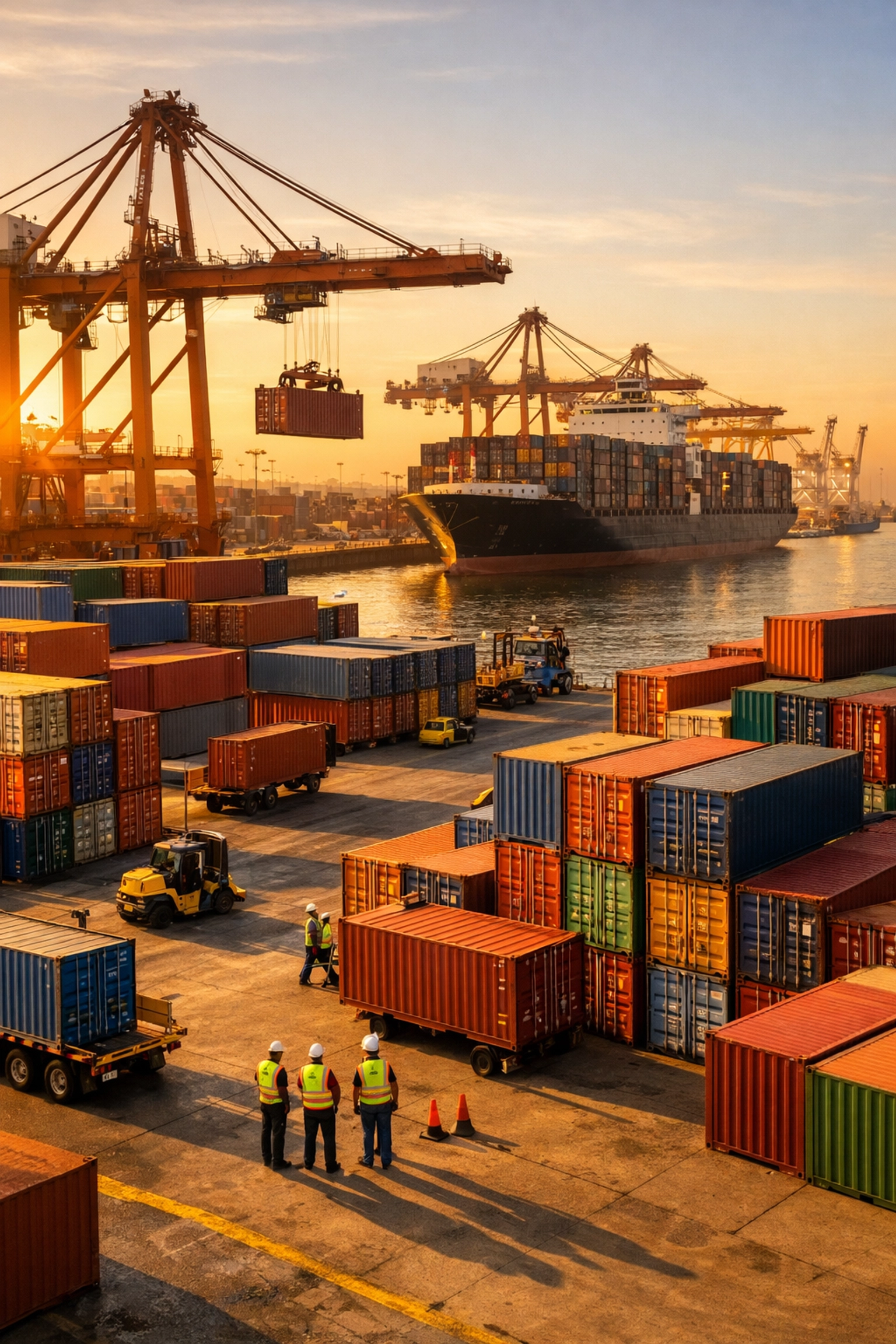
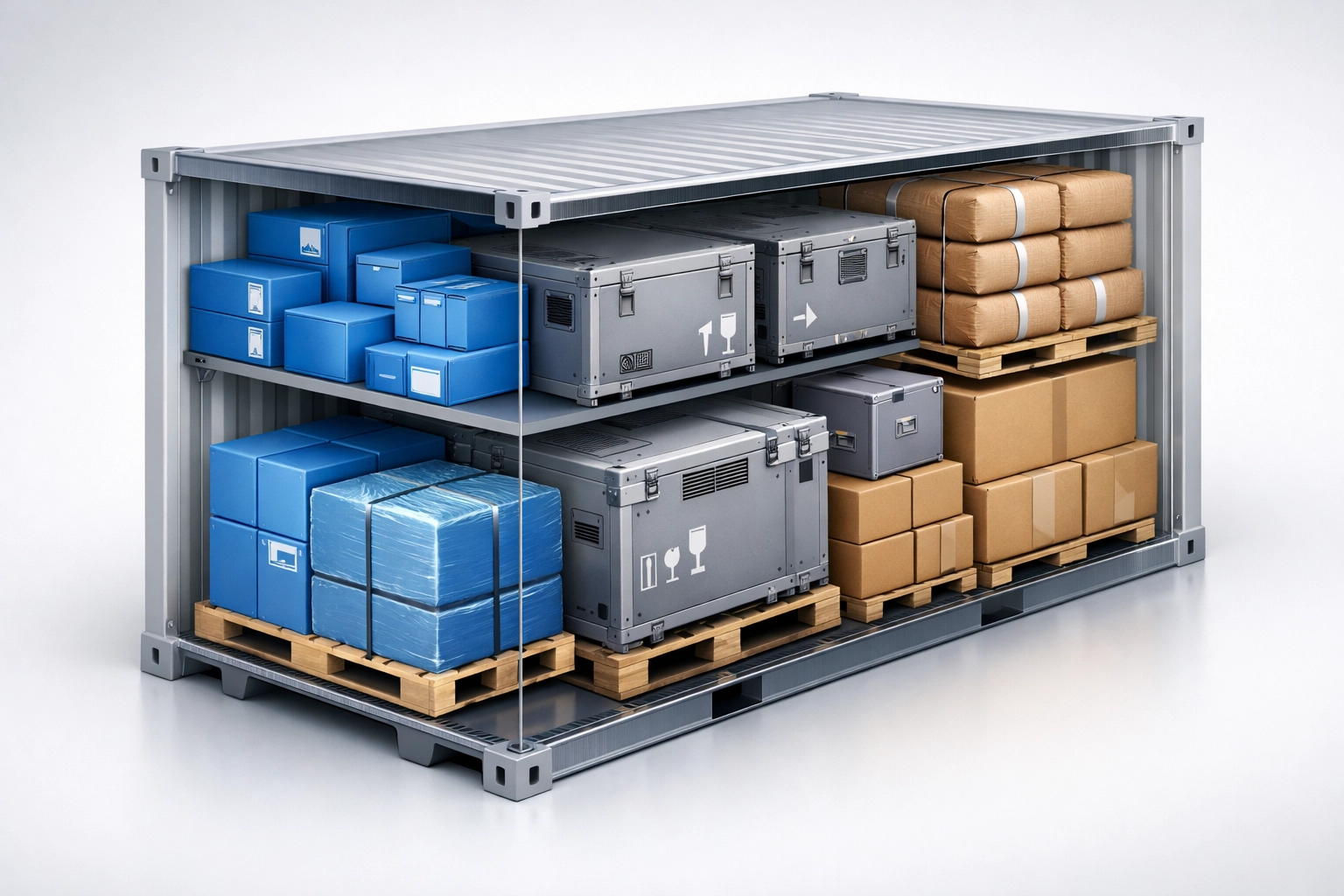
LCL sea freight means your cargo shares container space with other shipments. Instead of paying for an entire container you don't need, you pay only for the cubic meters (CBM) your goods actually occupy.
Here's how it works in practice:
- Your shipment is consolidated at the origin port (Shanghai, Mumbai, Chennai, etc.) with cargo from other businesses heading to the UK.
- It travels as part of a full container, splitting costs across multiple shippers.
- At the destination port (Felixstowe, Southampton, Liverpool), your goods are deconsolidated and sent directly to you.
This shared-cost model is exactly why LCL is perfect for growing businesses. You get the cost efficiency of sea freight without the commitment of a full container.
The Cost Advantage: Pay for Space, Not Empty Air
The maths is simple. If your shipment is 8 CBM and a full 20' container holds roughly 28 CBM, paying for FCL means you're financing 20 CBM of empty space. That's wasted budget.
With LCL, you pay per CBM based on your actual cargo volume. Pricing typically ranges between £40–£80 per CBM depending on the route, season, and demand, but even at the higher end, you're still looking at significant savings compared to FCL or air freight.
Here's what makes LCL the cost-effective winner:
- No minimum container commitment: Ship 2 CBM or 20 CBM, your choice.
- Predictable pricing: Rates are quoted per CBM, so you know exactly what you're paying before you commit.
- Lower upfront capital: Free up cash flow for other parts of your business instead of locking it into oversized shipping costs.
- Flexibility to scale: As your inventory needs grow, you can increase volume without the pressure to "fill a container."
For electronics importers in Manchester bringing in laptops, tablets, or components from Shenzhen, or machinery businesses sourcing CNC parts from Mumbai, LCL lets you test markets, manage seasonal demand, and keep inventory lean.
China to UK: The LCL Workhorse Route
China remains the UK's largest source of electronics, machinery, and textiles. Whether you're importing solar panel components, EV charging equipment, or consumer electronics, LCL from China offers unbeatable value.
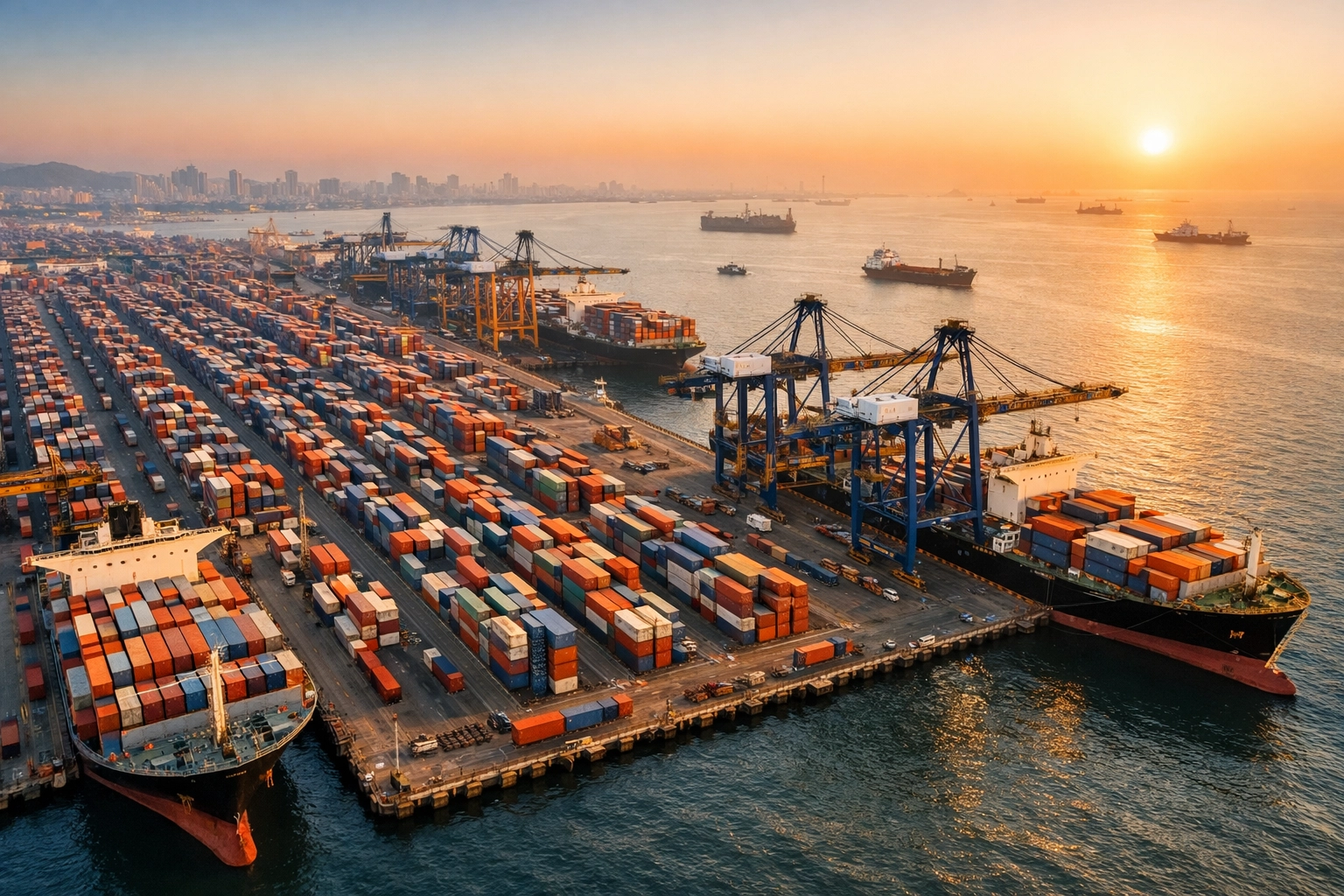
Transit times from major Chinese ports (Shanghai, Shenzhen, Ningbo) to UK destinations typically run 30 to 50 days port-to-port. Yes, that's longer than FCL by a few days due to the consolidation process, but the cost savings more than justify the extra time for non-urgent shipments.
Here's what you need to know about the China-UK LCL lane in 2026:
- Frequent departures: Major consolidators offer weekly sailings, so you're not waiting weeks for the next available slot.
- Diversions around the Cape of Good Hope: With Red Sea risks still active, most carriers route via South Africa, adding roughly 10–15 days to legacy Suez transit times. The upside? Pricing has stabilised compared to the chaos of 2024.
- Volume = leverage: If you're shipping regularly, your freight forwarder (that's us) can negotiate better per-CBM rates as your volumes increase.
For Manchester businesses, working with a local freight forwarder who understands both the China supply base and UK customs requirements is essential. We handle the documentation, consolidation coordination, and customs clearance so your goods move smoothly from Shenzhen to your warehouse in Trafford Park.
India to UK: The Overlooked Cost Saver
India is rapidly becoming a go-to source for UK importers, especially in machinery, engineering goods, chemicals, and textiles. The India-UK trade corridor is growing, and LCL is the perfect way to tap into it without overcommitting.
Key advantages of India-UK LCL:
- Shorter transit times compared to China: Shipments from Mumbai or Chennai typically arrive in 25–35 days, depending on the UK port.
- Strong in machinery and engineering: If you're sourcing CNC machines, textile equipment, or industrial components, India's manufacturing hubs offer competitive pricing and quality.
- Less congestion: Indian ports generally see less volume than China's mega-ports, which can mean faster processing and fewer delays.
The catch? Documentation accuracy is absolutely critical. Indian customs and UK HMRC both require precise paperwork, wrong HS codes, missing commercial invoices, or inconsistent packing lists will cost you time and money in delays.
That's where having an experienced Manchester freight forwarder becomes your safety net. We ensure every document is accurate, every carton is correctly marked, and every customs declaration is filed properly the first time.
Why LCL Works Brilliantly for Electronics and Machinery
Electronics and machinery shipments have specific needs, and LCL ticks every box:
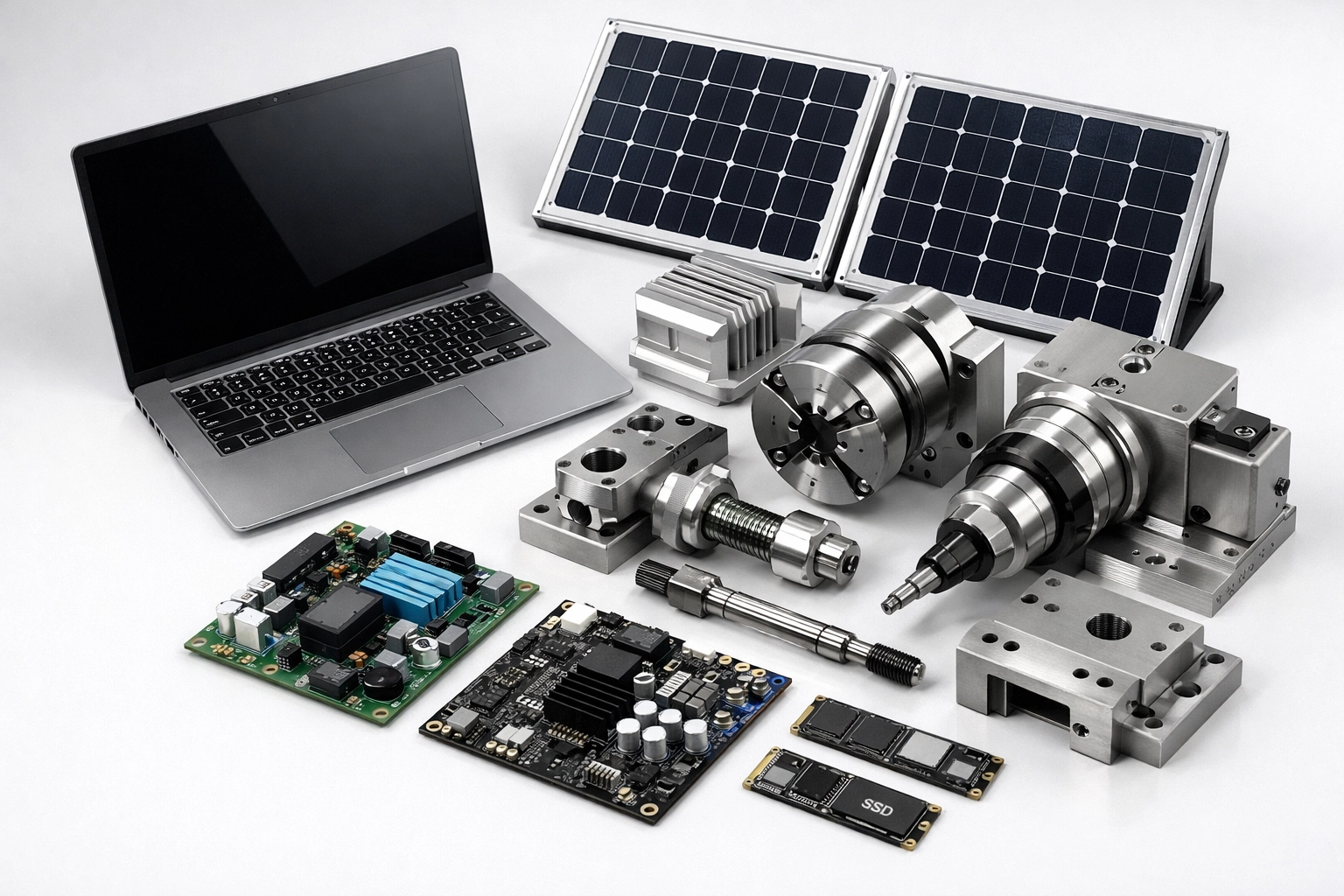
For electronics (laptops, tablets, components, solar tech):
- Volume flexibility: Electronics shipments often fall into the awkward middle ground, too large for air freight, too small for FCL. LCL is the perfect fit.
- Secure consolidation: Reputable consolidators (like the ones we partner with) offer container-grade security, so your high-value electronics aren't at risk.
- Customs complexity handled: Electronics often face detailed HS code requirements and CE marking scrutiny. We manage the entire customs clearance process, including any necessary UKCA documentation.
For machinery (CNC parts, industrial equipment, textile machines):
- Heavy but compact: Machinery is dense, which means you can fit significant value into a small number of CBMs, ideal for LCL pricing.
- Palletised shipping: Most machinery ships on pallets, which consolidates neatly into shared containers without risk of damage.
- Duty and VAT optimisation: Machinery imports can qualify for specific duty reliefs or suspensions. Our customs team ensures you're not overpaying HMRC.
How Global Corporate Logistics Makes LCL Seamless
Here's the reality: LCL is cost-effective, but only if it's managed properly. Poor consolidation, missing documentation, or customs errors can wipe out your savings fast.
That's where we come in. As a Manchester-based freight forwarder with deep expertise in sea cargo from China and India, we handle every detail so you can focus on growing your business.
Here's what we do for your LCL shipments:
- Factory coordination: We liaise directly with your suppliers in China or India to arrange pickup, consolidation, and export documentation.
- Transparent pricing: You get a clear per-CBM quote upfront with no surprise fees lurking at the destination.
- 24/7 tracking: From the moment your cargo leaves the factory to the second it arrives at your UK warehouse, you have full visibility via our tracking platform.
- Expert customs clearance: Our Manchester customs team handles CDS declarations, duty calculations, GVMS compliance, and any inspections or queries from HMRC or Border Force.
- UK delivery: We arrange final-mile delivery to your Manchester warehouse, depot, or fulfilment centre, door to door, hassle-free.
And if you're running an e-commerce operation and need a faster, more streamlined booking process, we've built Shipflow.io, our CRM-powered platform where you can book, track, and manage shipments in real time. Sign up in minutes and start moving cargo smarter.
Getting Started: Your LCL Checklist
Ready to scale your UK inventory with LCL? Here's your step-by-step:
- Calculate your cargo volume: Measure your shipment in cubic meters (length × width × height in meters). If you're unsure, we'll help you calculate it.
- Get a quote: Call us on 0161 706 1220 or request a quote online. We'll need your origin city, cargo type, and approximate volume.
- Provide documentation: Commercial invoice, packing list, and any product certifications (CE, UKCA, etc.).
- We handle the rest: Consolidation, shipping, customs clearance, and delivery, all managed by our Manchester team.
For businesses importing regularly, we also offer a Free Freight + Customs Health Check, a no-obligation review of your current supply chain to identify cost savings, compliance risks, and efficiency improvements. Fill out the form below to request yours.
FAQ: Your LCL Questions Answered
1. How much does LCL sea freight from China to the UK cost?
LCL pricing typically ranges from £40–£80 per CBM depending on the route, season, and volume. We provide transparent quotes with no hidden fees.
2. How long does LCL shipping take from China or India to the UK?
China to UK: 30–50 days. India to UK: 25–35 days. Transit times include consolidation, ocean voyage, deconsolidation, and customs clearance.
3. Is LCL safe for high-value electronics?
Yes. Consolidators use secure, container-grade facilities, and goods are insured. We also offer additional cargo insurance if required.
4. What's the minimum volume for LCL?
Most consolidators accept shipments from 1 CBM upwards, though rates become more competitive above 2–3 CBM.
5. Do I need to handle customs clearance myself?
No. We manage the entire customs process, including CDS declarations, duty payments, and GVMS compliance for UK ports.
6. Can I track my LCL shipment in real time?
Absolutely. We provide 24/7 tracking from factory pickup to final delivery, with regular updates at each milestone.
7. What documentation do I need for LCL from China or India?
You'll need a commercial invoice, packing list, and any relevant product certifications (CE, UKCA, etc.). We'll guide you through the specifics.
8. Is LCL cheaper than air freight for electronics?
Yes, significantly. Air freight costs roughly £4–£8 per kilo, while LCL costs £40–£80 per CBM. For dense cargo like electronics, LCL is far more cost-effective.
9. What happens if my shipment gets delayed at customs?
Our customs team handles any HMRC queries or inspections on your behalf. We resolve issues quickly to minimise delays.
10. Can I use LCL for machinery or heavy equipment?
Yes. LCL is ideal for machinery because it's dense and palletises well, making it cost-efficient even for heavy shipments.
Request Your Free Freight + Customs Health Check
Scaling your UK inventory shouldn't mean overpaying for shipping or battling customs delays. LCL sea freight from China and India offers the cost-effective, flexible solution you need: and our Manchester team ensures every shipment moves smoothly from factory to your warehouse.
Whether you're importing electronics, machinery, or textiles, we've got the expertise, the network, and the technology to make it seamless.
Get in touch:
📞 0161 706 1220
💻 Book smarter with Shipflow.io
Fill out the form below to request your free supply chain review, and let's start cutting your freight costs today.