
In today's post-Brexit trading landscape, UK customs clearance has become significantly more complex than it was just a few years ago. Whether you're importing goods from Nigeria, the EU, or anywhere else in the world, even small mistakes can lead to costly delays, unexpected fines, and serious headaches.
Recent research analyzing over 600,000 UK customs declarations found that the average error rate sits at a staggering 34%. Even more concerning? Customs declaration errors have resulted in fines up to 74% higher since 2020-2021.
The good news? Most of these mistakes are entirely preventable when you know what to watch out for. Let's dive into the seven most common UK customs clearance mistakes businesses are still making in 2026, and how to avoid them.
Mistake #1: Using Incorrect Commodity Codes
This is the granddaddy of all customs errors, and it's shockingly common.
Your supplier might provide a commodity code on their commercial invoice, but here's the thing: you're the one responsible for declaring the correct code to HMRC, not them. Many importers simply copy-paste whatever code their supplier provides without verification, and that's where the trouble starts.
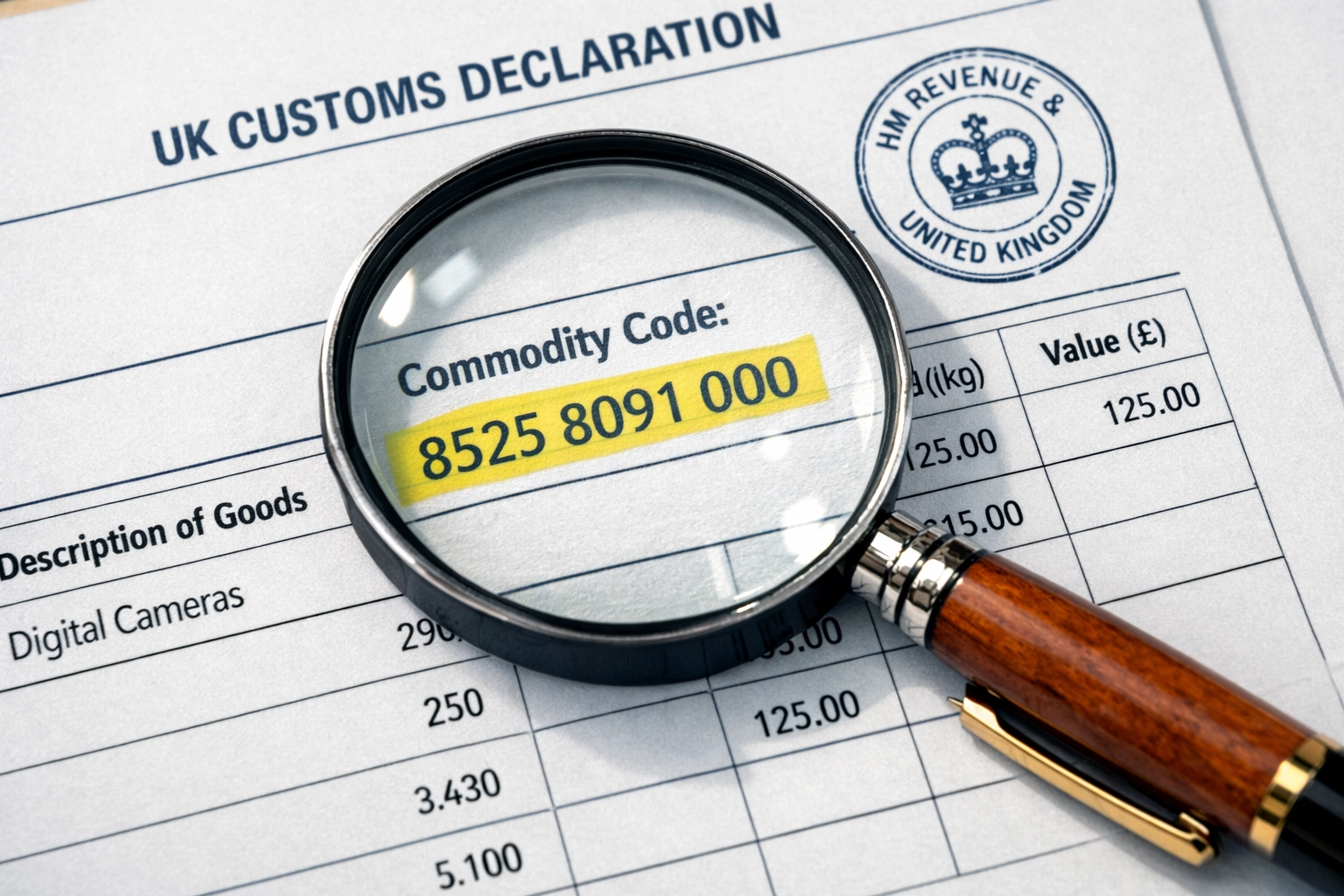
Using the wrong commodity code leads to:
- Incorrect duty calculations that can cost you thousands in penalties
- Post-clearance audits where HMRC demands payment for underpaid duties
- Shipment delays while authorities investigate discrepancies
- Compliance issues that can flag your business for future scrutiny
The UK Trade Tariff has over 200,000 different commodity codes, each with specific duty rates, restrictions, and requirements. Getting it wrong isn't just costly, it can bring your entire supply chain to a grinding halt.
Mistake #2: Assuming EU Origin Means Zero Duties
Here's a misconception that still trips up countless businesses: just because your goods are shipped from an EU country doesn't automatically mean they qualify for preferential duty treatment.
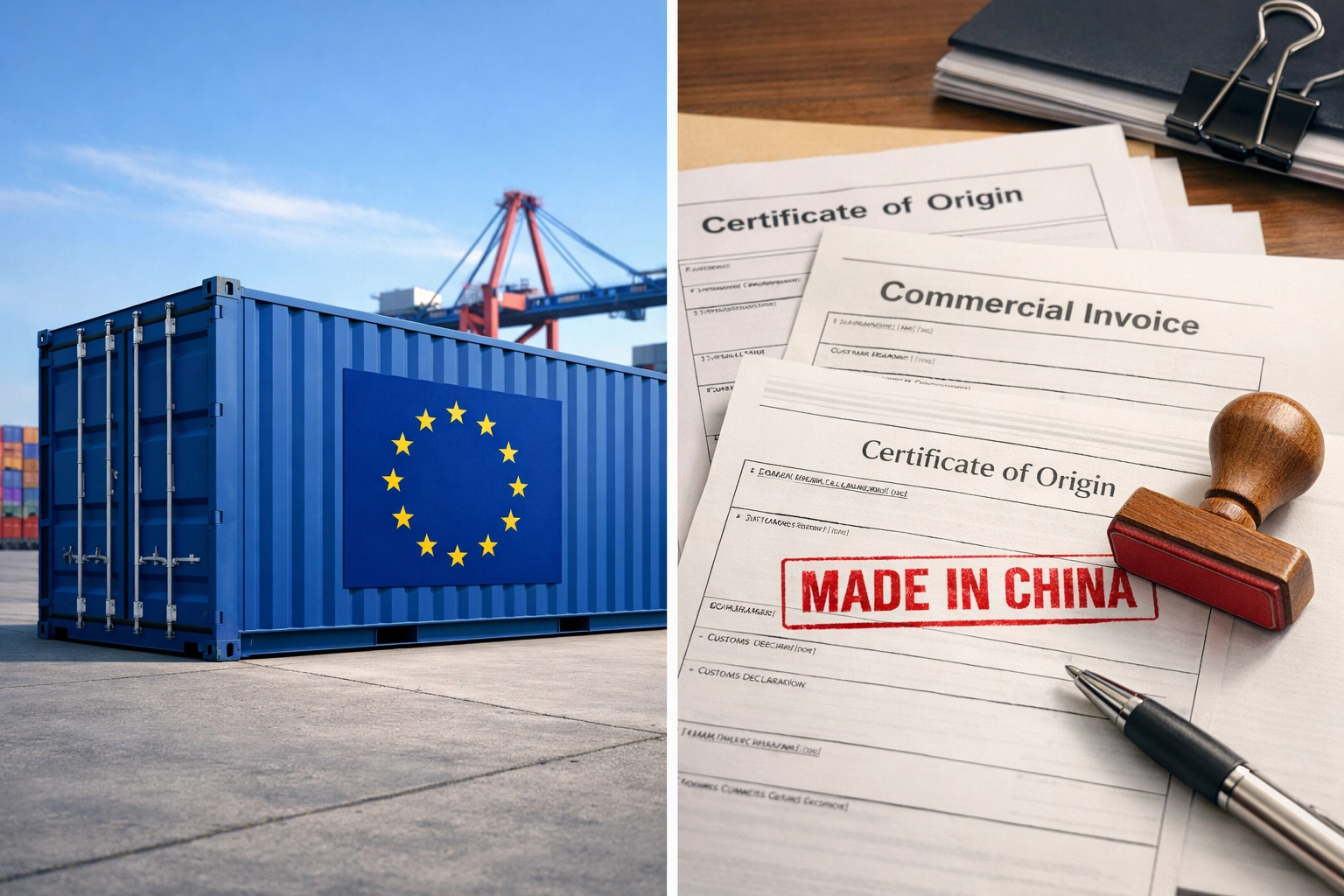
What actually matters is where goods originate, not where they're shipped from. A product manufactured in China but warehoused in Germany doesn't qualify for EU preferential rates, and claiming it does can land you in hot water.
To claim preference under the UK-EU Trade and Cooperation Agreement, you need:
- Proof of origin from your supplier
- A statement on origin included in your commercial documentation
- Evidence that goods meet rules of origin requirements
Without proper documentation, your "duty-free" shipment suddenly faces standard tariff rates plus potential audit penalties. We've seen businesses caught completely off-guard by unexpected duty bills running into five figures.
Mistake #3: Declaring Invoice Value as Customs Value
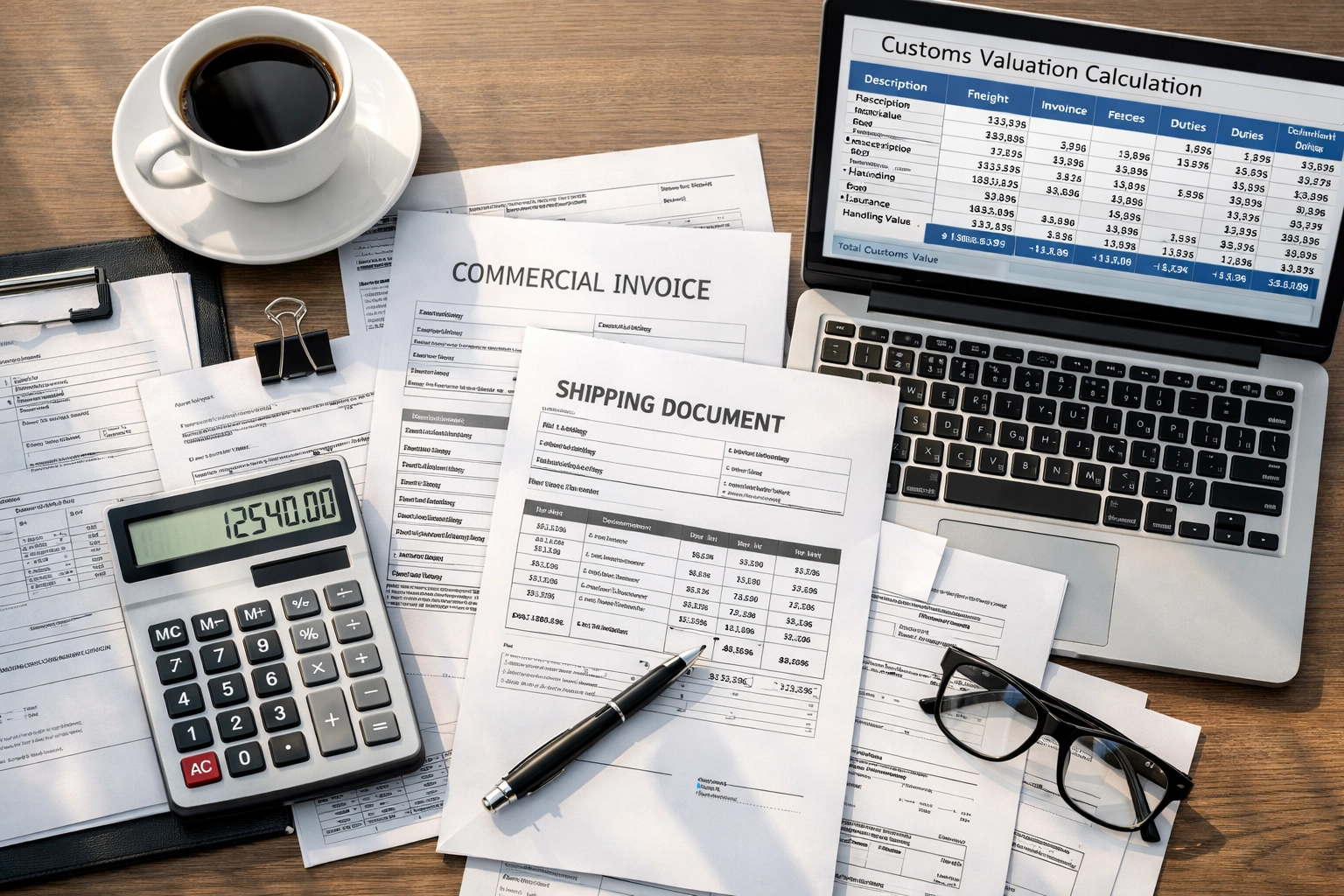
This might sound counterintuitive, but the amount you paid your supplier isn't necessarily the customs value you should declare to HMRC.
UK customs valuation rules require specific add-ons and deductibles that many businesses overlook. The customs value often includes:
- Freight costs to the UK border
- Insurance charges
- Royalties and license fees related to the goods
- Assists (materials or tools you provided to the manufacturer)
Meanwhile, certain costs can be excluded from customs value if properly documented. Getting this calculation wrong doesn't just affect your duty payments, it can trigger compliance reviews that scrutinize all your past imports.
Mistake #4: Ignoring Supplementary Declarations
Under certain border facilitation schemes, you might receive your goods before submitting a full customs declaration. But here's what many importers forget: you still need to submit supplementary declarations on time.
Every shipment crossing the UK border must be properly declared to customs. Even if you used simplified procedures or frontier declarations to get goods released quickly, you're legally required to submit complete supplementary declarations within the specified timeframe.
Failing to do so results in:
- Civil penalties that scale with the number of missed declarations
- Loss of authorization to use simplified procedures
- Increased scrutiny on future shipments
- Potential criminal prosecution in serious cases
This is one area where "I forgot" isn't an acceptable excuse to HMRC.
Mistake #5: Missing or Incomplete Documentation
Documentation errors remain one of the fastest ways to avoid customs delays, or rather, fail to avoid them.
Your customs clearance package needs to be complete, accurate, and consistent across all documents. Common documentation failures include:
- Missing commercial invoices with required information
- Incomplete packing lists that don't match actual shipment contents
- Absent certificates of origin when preferential treatment is claimed
- Missing safety certifications or conformity declarations for regulated goods
- Inconsistent product descriptions across different documents
When customs officers spot discrepancies or missing information, your shipment gets held for investigation. Every day your goods sit in a customs warehouse costs you money in storage fees and lost sales opportunities.
Mistake #6: Failing to Properly Account for VAT and Duties
VAT and duty calculations have become significantly more complex since Brexit, yet many businesses still use outdated assumptions.
Here's what catches people out:
- Not understanding postponed VAT accounting and how to claim it back
- Missing VAT registration requirements for distance selling
- Incorrectly applying duty suspensions or reliefs they don't qualify for
- Failing to account for excise duties on alcohol, tobacco, or fuel products
- Not budgeting for unexpected duty bills when preferential treatment doesn't apply
The financial impact can be severe. We've worked with clients who faced cash flow crises because they didn't properly account for the full landed cost of their imports, including all applicable taxes and duties.
Mistake #7: Assuming There Are No Alternatives When Preference Fails
Many importers give up when they discover their goods don't qualify for preferential duty treatment under a trade agreement. But here's what the experts know: multiple duty reduction options exist beyond preferential agreements.
Alternatives include:
- Duty suspension schemes for goods that will be re-exported
- Inward Processing Relief for imported materials used in UK manufacturing
- Returned Goods Relief for items previously exported from the UK
- Temporary admission procedures for exhibition or demonstration goods
A skilled customs broker can identify which schemes apply to your specific situation, potentially saving thousands in duty payments you thought were unavoidable.
How Global Corporate Logistics Helps You Avoid Customs Delays
At Global Corporate Logistics Limited, our customs clearance experts handle the complexity so you don't have to.
We provide:
- Accurate commodity code classification verified against the UK Trade Tariff
- Complete documentation review before your goods arrive at the border
- Proper customs valuation calculations that keep you compliant
- Timely supplementary declarations that meet all HMRC deadlines
- Proactive identification of duty reduction opportunities you might have missed
Our team stays current with every regulatory change, from post-Brexit adjustments to the latest updates in the Developing Countries Trading Scheme. When you work with us, your UK customs clearance becomes seamless instead of stressful.
We don't just clear your goods, we protect your business from the costly mistakes that catch even experienced importers off-guard.
FAQ: UK Customs Clearance in 2026
Q: How long does UK customs clearance typically take?
Standard customs clearance usually takes 1-3 working days for complete, accurate declarations. However, missing documentation or errors can extend this to weeks while issues are resolved.
Q: Who is responsible for paying customs duties, the sender or receiver?
The importer of record is legally responsible for all customs duties, VAT, and fees. This is typically the receiver unless other arrangements are made using specific Incoterms.
Q: Can I clear my own goods through UK customs without a broker?
Yes, but it requires obtaining an EORI number, understanding complex regulations, and having software to submit declarations directly to HMRC's systems. Most businesses find professional brokers more cost-effective.
Q: What happens if I get my commodity code wrong?
HMRC may issue a post-clearance demand for underpaid duties plus interest and penalties. In serious cases, you could face compliance investigations affecting all your past and future imports.
Q: Do I need to pay VAT on goods imported from the EU?
Yes, VAT applies to goods imported from the EU since Brexit. However, VAT-registered businesses can use postponed VAT accounting to avoid upfront payment and claim it back simultaneously.
Q: How do I prove my goods qualify for preferential duty rates?
You need a valid statement on origin from your supplier confirming the goods meet rules of origin requirements under the relevant trade agreement. Simply being shipped from a partner country isn't enough.
Q: What's the difference between customs value and invoice value?
Customs value includes the invoice amount plus mandatory additions like freight, insurance, and certain fees. The calculation follows specific HMRC valuation rules that may differ from what you actually paid.
Q: Can I get a refund if I overpay customs duties?
Yes, you can claim a repayment within three years of the duty payment date. However, you'll need to provide evidence that an error occurred and demonstrate the correct amount due.
Q: What documentation do I need for every import shipment?
At minimum, you need a commercial invoice, packing list, and transport documents. Depending on the goods, you may also need certificates of origin, safety certifications, licenses, or permits.
Q: How can I avoid customs delays for time-sensitive shipments?
Ensure all documentation is complete and accurate before goods arrive, use a professional customs broker, and consider pre-clearance options where available. Proper preparation prevents most delays.
Ready for hassle-free UK customs clearance? Contact Global Corporate Logistics Limited today. Our expert customs brokers ensure your shipments clear smoothly, compliantly, and cost-effectively: every single time.
Visit globalcorporatelogistics.com or reach out to our team to discuss your specific import requirements. Let's make customs clearance the easiest part of your supply chain.