
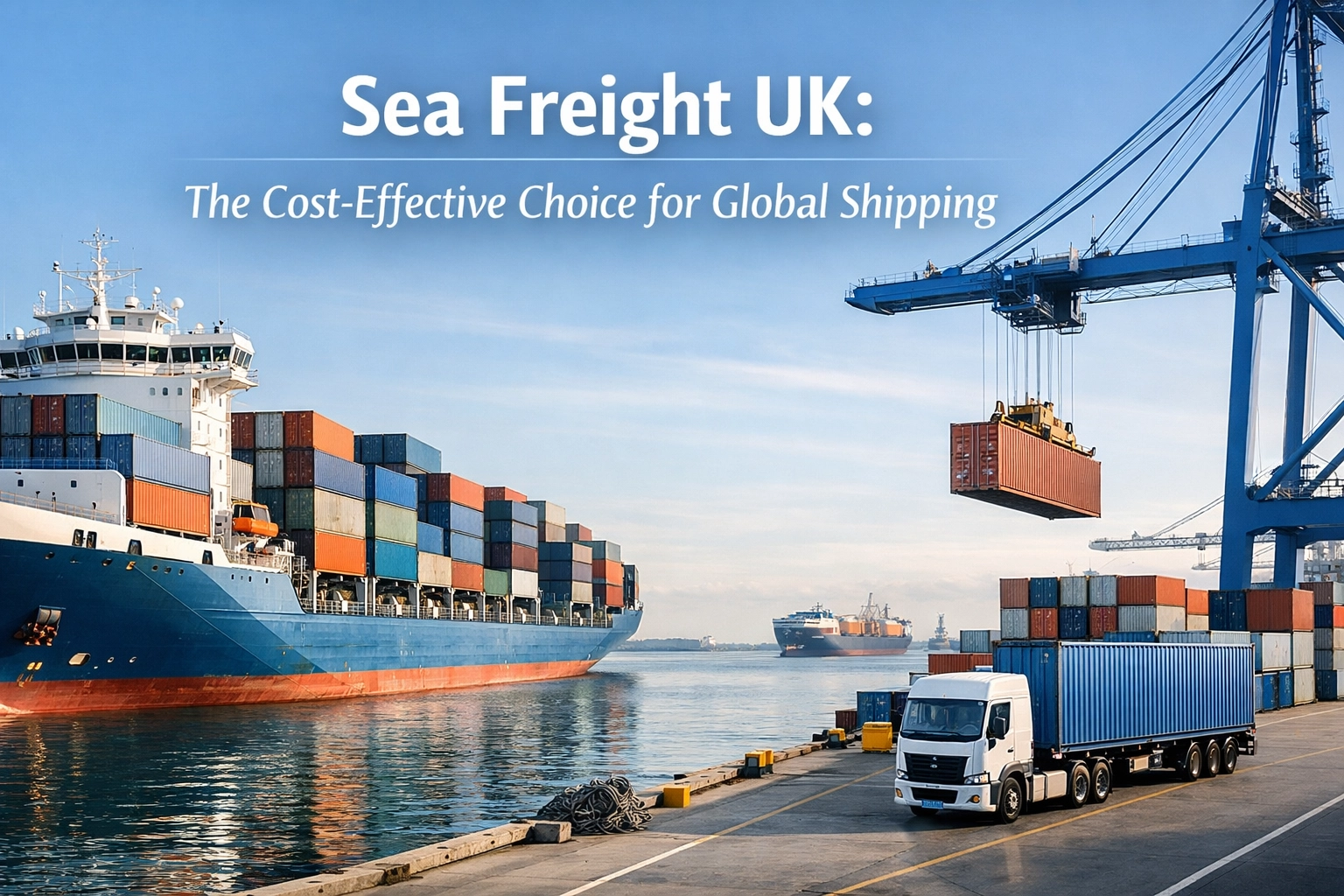
In today's global marketplace, getting your products from point A to point B efficiently and affordably is critical. While air freight might steal the spotlight for speed, sea freight UK services remain the unsung hero for businesses shipping heavy, bulky, or high-volume goods internationally. If you're looking to optimize your logistics budget without sacrificing reliability, ocean freight deserves a serious look.
At Global Corporate Logistics Limited, we've built our reputation on helping UK businesses navigate the complexities of international shipping. Our sea freight solutions connect you to every major port worldwide, ensuring your cargo arrives safely and cost-effectively, no matter where it's headed.
Why Sea Freight UK Makes Financial Sense
Let's talk numbers. For shipments exceeding approximately 500 kg, sea freight becomes the cheaper option compared to air freight due to the tremendous economies of scale that container shipping provides. We're talking about substantial savings that can directly impact your bottom line.
Here's what makes ocean freight so budget-friendly:
- Volume discounts: The more you ship, the better the per-unit cost becomes, especially when upgrading from less-than-container load (LCL) to full-container load (FCL) options.
- Lower fuel costs: Ships operate on bunker fuel, which is significantly cheaper than aviation fuel, allowing carriers to pass savings directly to shippers.
- Massive capacity: A single container ship can carry thousands of TEUs (twenty-foot equivalent units), spreading operational costs across more cargo.
- Predictable pricing: Unlike air freight, which fluctuates wildly based on fuel prices and capacity, sea freight rates tend to be more stable over time.
Recent market data shows UK-US ocean freight ranges from around £2,775–£4,020 for 20-foot containers depending on origin and destination ports. Compare that to air freight for the same volume, and the savings become immediately apparent.
The Trade-Off: Speed vs. Savings
Now, we're not going to sugarcoat it, sea freight requires patience. Typical transit times from the UK to major global destinations run 30-40 days for door-to-door delivery. This is substantially slower than air freight, which can get your goods across the Atlantic in just a few days.
But here's the thing: not every shipment is urgent. Many businesses operate on predictable inventory cycles where planning ahead makes perfect sense. By building sea freight into your supply chain strategy, you can:
- Schedule shipments to arrive precisely when needed
- Reduce warehousing costs by timing deliveries more strategically
- Free up budget for other business priorities
- Maintain steady inventory flow without emergency rush fees
For heavy machinery, bulk commodities, furniture, retail inventory, and other non-perishable goods, the speed difference becomes irrelevant when weighed against the cost savings.
When Sea Freight UK Is Your Best Option
Choosing between air and ocean freight isn't always straightforward. We typically recommend sea freight for:
Heavy or bulky items: Anything over 500 kg starts to make economic sense via ocean transport. Industrial equipment, building materials, and large product shipments fall into this category.
High-volume shipments: If you're sending pallets of goods rather than individual parcels, containerized shipping offers unbeatable value.
Non-urgent deliveries: When your timeline extends beyond a few weeks, sea freight allows you to optimize costs without compromising reliability.
Cost-sensitive projects: Tight margins require creative logistics solutions, and ocean freight delivers savings that directly improve profitability.
For mid-range shipments around 15 cubic meters, upgrading to a full container load often costs less per unit than LCL options. Our team can analyze your specific needs and recommend the most cost-effective container size and shipping method.
Understanding the Sea Freight UK Market in 2026
The containerized shipping industry has experienced significant volatility since the pandemic, but current trends suggest positive developments for UK shippers. While ocean freight rates rose steadily through 2020-2025, making the service less economical than pre-pandemic levels, recent market data shows potential relief on the horizon.
The Containerized Freight Index fell 20.50% over the past month, and shipping carriers are experiencing oversupply conditions that typically lead to softening freight rates. This means 2026 could be an excellent year to lock in competitive sea freight contracts.
However, several factors continue to influence pricing:
- Oil price fluctuations: Bunker fuel costs remain tied to global oil markets
- Port congestion: Delays at major terminals can extend transit times and increase costs
- Seasonal demand: Peak shipping seasons (especially pre-holiday periods) typically see rate increases
- Geopolitical events: Trade policies and international relations impact routing and pricing
We monitor these trends continuously, allowing us to provide our clients with competitive rates and realistic timeline expectations.
GCL's Comprehensive Sea Freight Solutions
At Global Corporate Logistics Limited, we don't just book container space, we manage your entire ocean freight journey from pickup to final delivery. Our sea freight UK services include:
Full-Container Load (FCL) shipping: Dedicated containers for your exclusive use, providing maximum security and cost-efficiency for larger shipments.
Less-than-Container Load (LCL) shipping: Share container space with other shippers, making ocean freight accessible even for smaller volumes.
Door-to-door service: We handle every step, from UK collection through customs clearance to final delivery at your international destination.
Multi-modal coordination: Seamlessly combine ocean freight with road and rail transport for comprehensive logistics coverage.
Real-time tracking: Monitor your shipment's progress from port to port, ensuring complete visibility throughout the journey.
Our partnerships with major shipping lines guarantee capacity on key routes, even during peak seasons when space becomes scarce. This ensures your cargo moves on schedule without the frustration of booking delays.
Global Reach From UK Ports
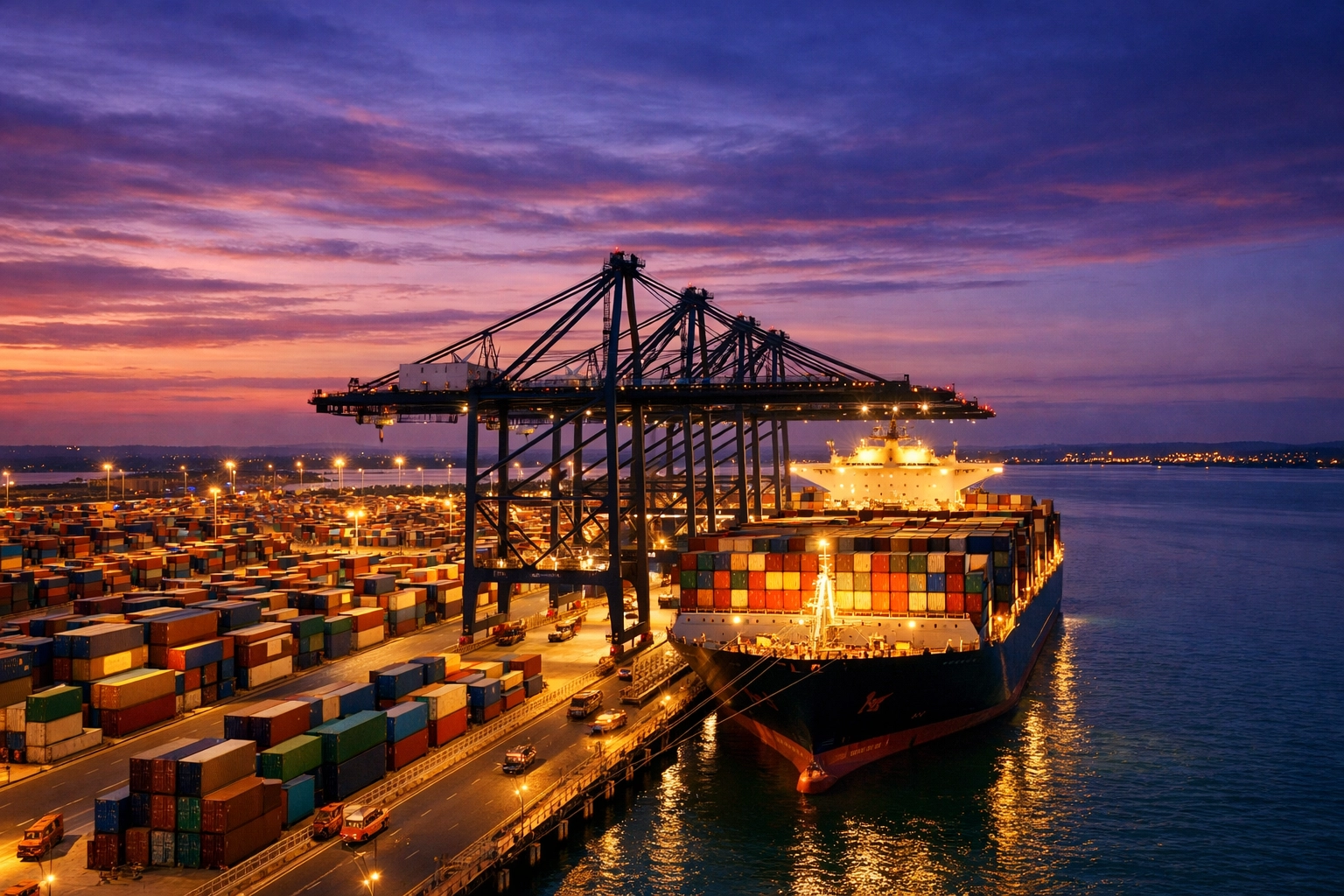
The UK's strategic position offers exceptional access to global shipping lanes. We utilize all major British ports, including Felixstowe, Southampton, London Gateway, and Liverpool, to connect your cargo with destinations worldwide.
Our established routes cover:
- North America: Regular sailings to US East Coast, West Coast, and Canadian ports
- Asia-Pacific: Direct and transshipment services to China, India, Southeast Asia, and Australia
- Middle East: Connections to Dubai, Saudi Arabia, and surrounding regions
- Europe: Short-sea services throughout the EU and Mediterranean
- Africa: Growing trade routes to West and East African markets
- South America: Established connections to Brazil, Argentina, and beyond
This global network means you're never limited in where you can ship. Whether you're exporting British-made goods or importing raw materials for manufacturing, we've got the routing expertise to get it done efficiently.
Navigating Customs and Compliance
One of the biggest challenges in international sea freight is clearing customs at both origin and destination. Documentation errors can result in costly delays, storage fees, and even cargo seizure.
That's where our customs clearance expertise becomes invaluable. We ensure:
- Accurate completion of all required documentation
- Proper classification of goods using correct HS codes
- Compliance with country-specific import/export regulations
- Timely submission of customs declarations
- Coordination with customs brokers and authorities
By handling these complexities on your behalf, we eliminate the stress and uncertainty that often accompanies international shipping.
Making Sea Freight Work for Your Business
Integrating sea freight into your supply chain requires strategic planning, but the payoff in cost savings makes it worthwhile. Here's how to maximize the value:
Plan ahead: Build realistic timelines that account for 30-40 day transit windows plus potential delays.
Consolidate shipments: Instead of frequent small orders, batch your cargo to qualify for FCL rates and better economies of scale.
Maintain buffer inventory: Keep safety stock on hand to cover the longer lead times inherent in ocean freight.
Communicate with suppliers: Ensure your vendors understand shipping timelines and can adjust their production schedules accordingly.
Review regularly: Market conditions change, so periodic reviews of your shipping strategy ensure you're always getting the best value.
Our logistics consultants work closely with clients to develop customized sea freight strategies that align with specific business needs, budget constraints, and delivery requirements.
Frequently Asked Questions About Sea Freight UK
What's the difference between FCL and LCL shipping?
FCL (Full Container Load) means you rent an entire container for your exclusive use, ideal for larger shipments. LCL (Less-than-Container Load) allows you to share container space with other shippers, making ocean freight affordable even for smaller volumes.
How long does sea freight from the UK typically take?
Transit times vary by destination, but generally expect 30-40 days for door-to-door delivery from the UK to major international ports. Factors like port congestion, customs processing, and weather can impact these timelines.
Is sea freight cheaper than air freight for all shipments?
Sea freight becomes cost-effective for shipments exceeding approximately 500 kg. Below this threshold, air freight may actually be more economical when considering handling and consolidation costs. We can analyze your specific shipment to recommend the best option.
What items cannot be shipped via sea freight?
Dangerous goods, hazardous materials, perishables with short shelf lives, and items requiring temperature control throughout the journey may not be suitable for standard sea freight. However, specialized reefer containers and certified dangerous goods shipping can accommodate many of these items.
How do I track my sea freight shipment?
We provide real-time tracking access through our online portal, showing your container's current location, vessel schedule, and estimated arrival times. You'll receive automatic updates at key milestones throughout the journey.
What documentation is required for international sea freight?
Standard documents include commercial invoice, packing list, bill of lading, certificate of origin, and any product-specific certifications. Destination countries may have additional requirements, which our customs clearance team handles on your behalf.
Can I ship to multiple destinations in one container?
Yes, through LCL consolidation services, we can arrange deliveries to multiple final destinations from a single container shipment. This provides flexibility while maintaining cost-efficiency.
What happens if my cargo is damaged during sea transit?
All shipments should be properly insured. We recommend marine cargo insurance for complete protection. In the event of damage, we assist with claims documentation and work with carriers to resolve issues promptly.
Are sea freight rates negotiable?
Absolutely. For regular shippers or high-volume customers, we can negotiate contracted rates with carriers that provide significant savings compared to spot market pricing. Our volume with shipping lines gives us strong negotiating power.
How far in advance should I book sea freight shipments?
We recommend booking at least 2-3 weeks in advance to ensure vessel space availability, especially during peak seasons. However, we can often accommodate shorter timelines depending on route and capacity.
Ready to reduce your shipping costs with reliable sea freight UK services? Contact Global Corporate Logistics Limited today for a customized quote and discover how ocean freight can transform your international logistics strategy while protecting your bottom line.