
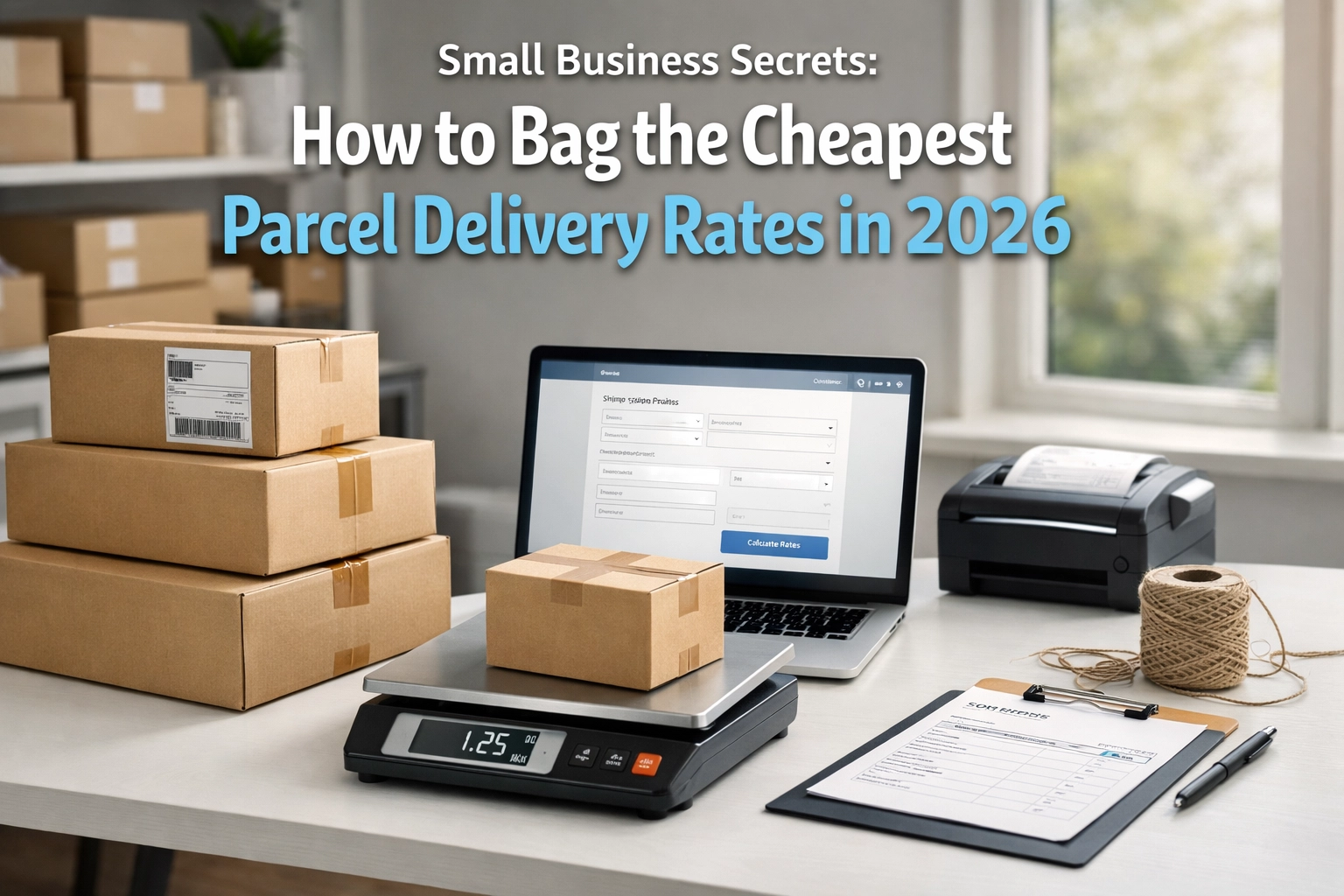
Let's be honest: shipping costs can absolutely destroy your margins if you're not careful. In 2026, small businesses and e-commerce merchants are facing more pressure than ever to keep delivery costs down while still meeting customer expectations for fast, reliable service.
The good news? There are legitimate ways to slash your parcel delivery expenses without compromising on quality. We're talking insider strategies that the big players use: and that you can tap into too.
Whether you're shipping from a Shopify store, managing inventory on Amazon, or running an eBay side hustle, this guide will show you exactly how to bag the cheapest parcel delivery rates this year.
Why Shipping Costs Make or Break Small Businesses
Every pound you spend on shipping is a pound that doesn't go toward growth, inventory, or marketing. For small businesses operating on tight margins, inefficient shipping can be the difference between profitability and struggling to stay afloat.
Customer expectations have also skyrocketed. Free or low-cost shipping isn't a bonus anymore: it's basically expected. If your shipping costs are too high, you're either absorbing massive losses or passing costs onto customers who'll quickly shop elsewhere.
The solution isn't to compromise on service quality. It's about working smarter with your carrier selection, leveraging partnerships, and using technology to automatically find the best rates for every single shipment.
The Carrier Selection Game: Stop Defaulting to One Provider
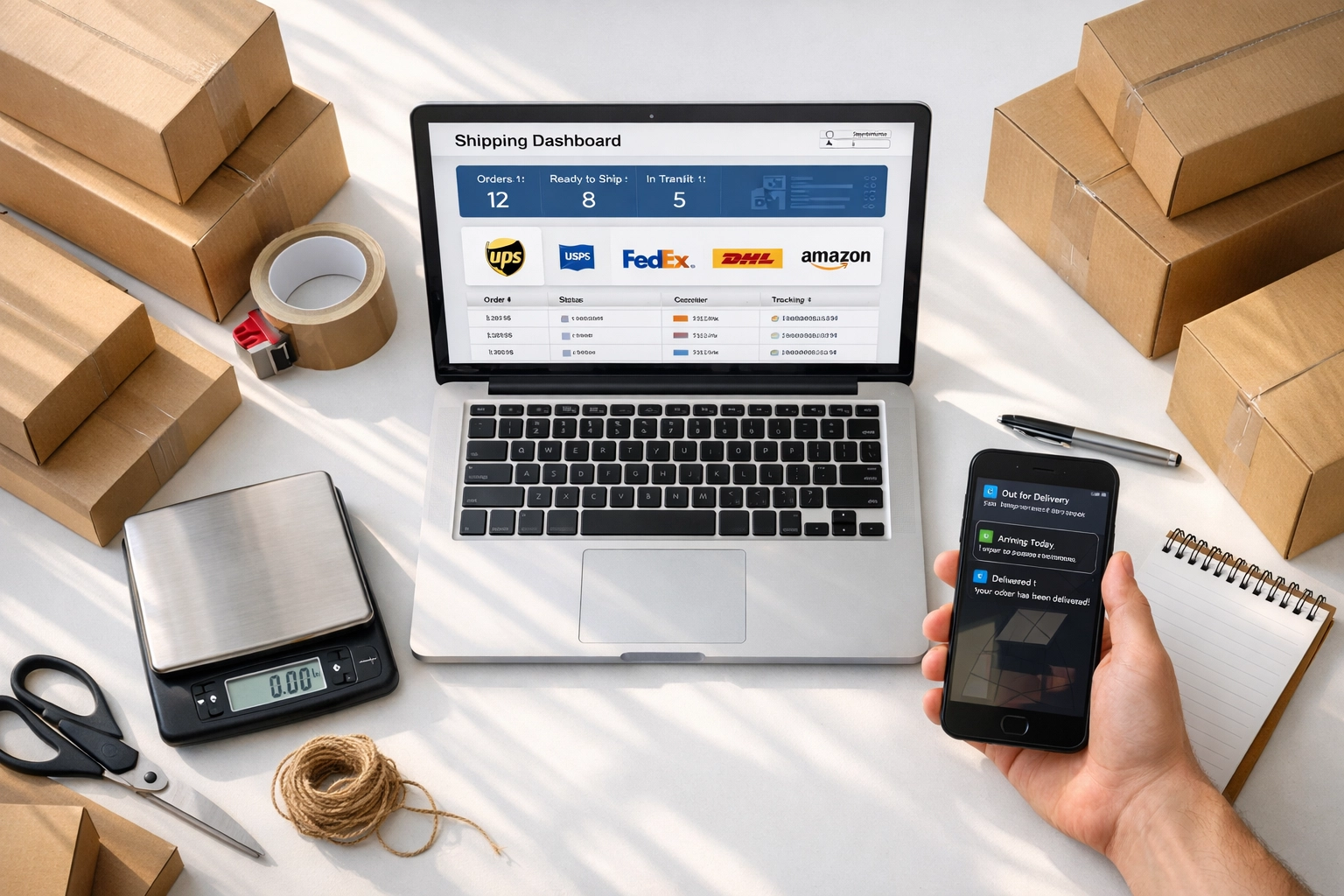
Here's a mistake we see constantly: businesses stick with one carrier because it's familiar, even when that carrier is charging them premium rates for standard service.
Different carriers excel at different things. Some offer unbeatable rates for lightweight parcels. Others shine with heavier items or international shipments. The key is matching your shipment type to the right carrier for that specific job.
Working with a logistics partner like Global Corporate Logistics Limited gives you access to negotiated rates across multiple major carriers. Instead of being locked into one provider's pricing structure, you get the flexibility to choose the most cost-effective option for each shipment.
This is particularly powerful for e-commerce businesses with varied product catalogs. Your smartphone accessories ship differently than your bulk furniture items: and they should be priced differently too.
Know Your Package Profiles
Take inventory of what you're actually shipping:
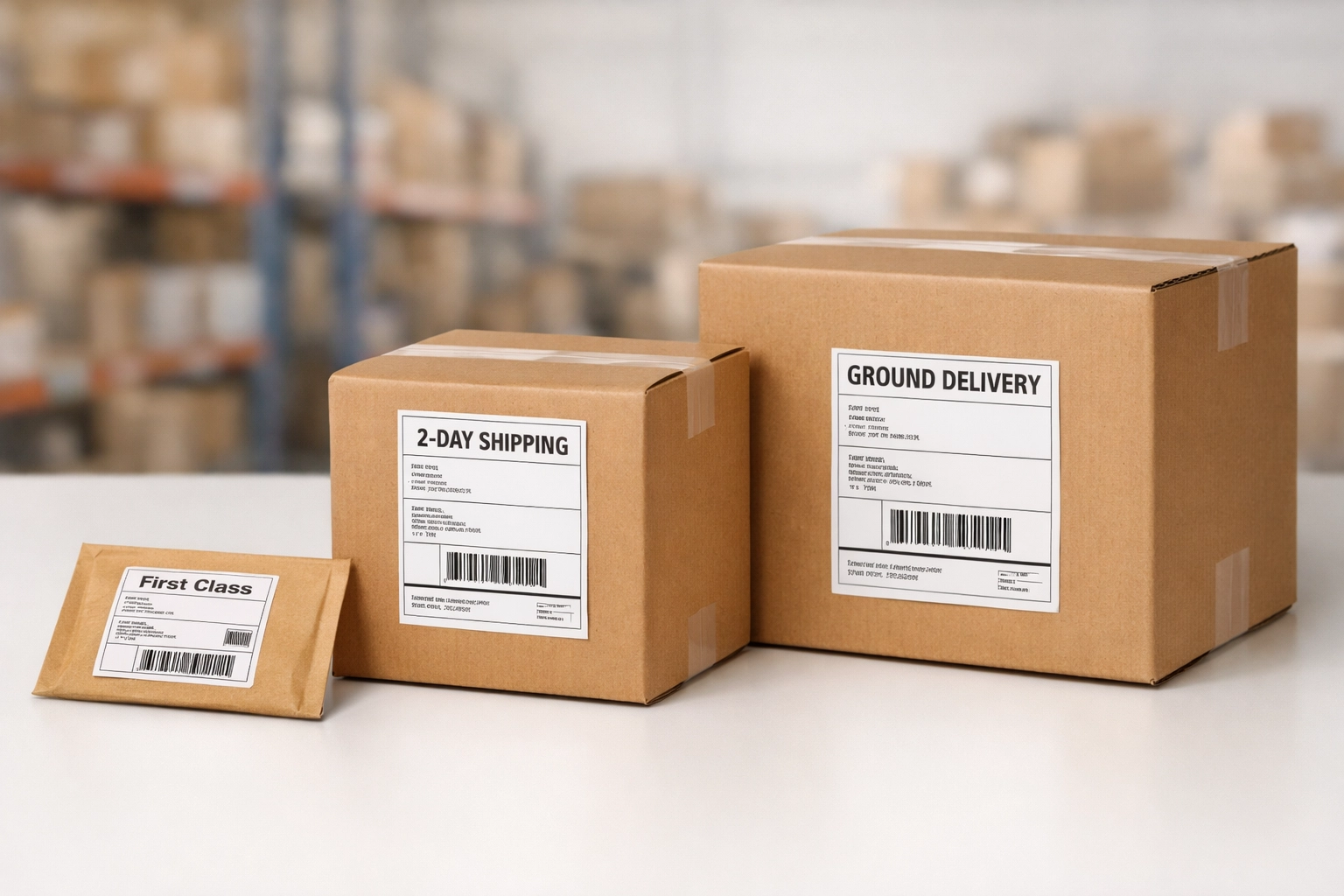
- Lightweight items under 2kg: Often cheapest with standard postal services or economy courier options
- Mid-weight parcels (2-10kg): Compare express and economy rates: the difference can be substantial
- Heavy or bulky items: Specialist pallet services or freight options typically offer better value than standard parcel rates
- International shipments: Rates vary wildly by destination and customs complexity
Understanding your shipping profile means you can optimize for your actual needs rather than paying for services you don't use.
Volume Discounts: You Don't Need to Be Amazon to Get Them
Think volume discounts are only for massive enterprises? Think again. In 2026, even small businesses shipping 50-100 parcels monthly can access significantly reduced rates.
The trick is consolidating your volume through a single platform or logistics partner. When Global Corporate Logistics Limited negotiates with carriers, we're combining shipping volume from multiple clients. That collective bargaining power translates into discounts we pass directly to you: discounts you'd never secure on your own.
Commercial rates can be 20-40% lower than retail counter pricing. For a business shipping 200 parcels monthly at £8 each, that's potentially £400-£600 in monthly savings. Annually? We're talking £4,800-£7,200 back in your business.
How to Unlock Volume Pricing Without High Volumes
- Partner with a 3PL or logistics provider who aggregates shipments across multiple clients
- Use shipping platforms that offer pre-negotiated commercial rates even for smaller businesses
- Commit to regular shipping rather than sporadic, unpredictable volumes
- Consolidate all your shipping through one platform instead of scattering between multiple carriers
Even businesses just starting out can access these rates from day one by choosing the right logistics partner.
E-Commerce Integration: The Secret Weapon for 2026
Manual shipping processes aren't just time-consuming: they're expensive. Every minute spent comparing rates, printing labels, and updating tracking is a minute not spent growing your business.
Here's where e-commerce integration becomes your competitive advantage. Modern shipping platforms integrate directly with Shopify, Amazon, eBay, WooCommerce, and virtually every major selling platform.
The right integration automatically pulls order data, compares rates across carriers, selects the cheapest option, generates labels, and updates tracking information: all without you lifting a finger. This automation eliminates human error, saves hours of labor, and consistently chooses the most cost-effective shipping method.
Global Corporate Logistics Limited offers seamless integrations with major e-commerce platforms, meaning your shipping costs optimize automatically with every order. No more guesswork. No more overpaying because you didn't have time to compare options.
What Proper Integration Actually Does
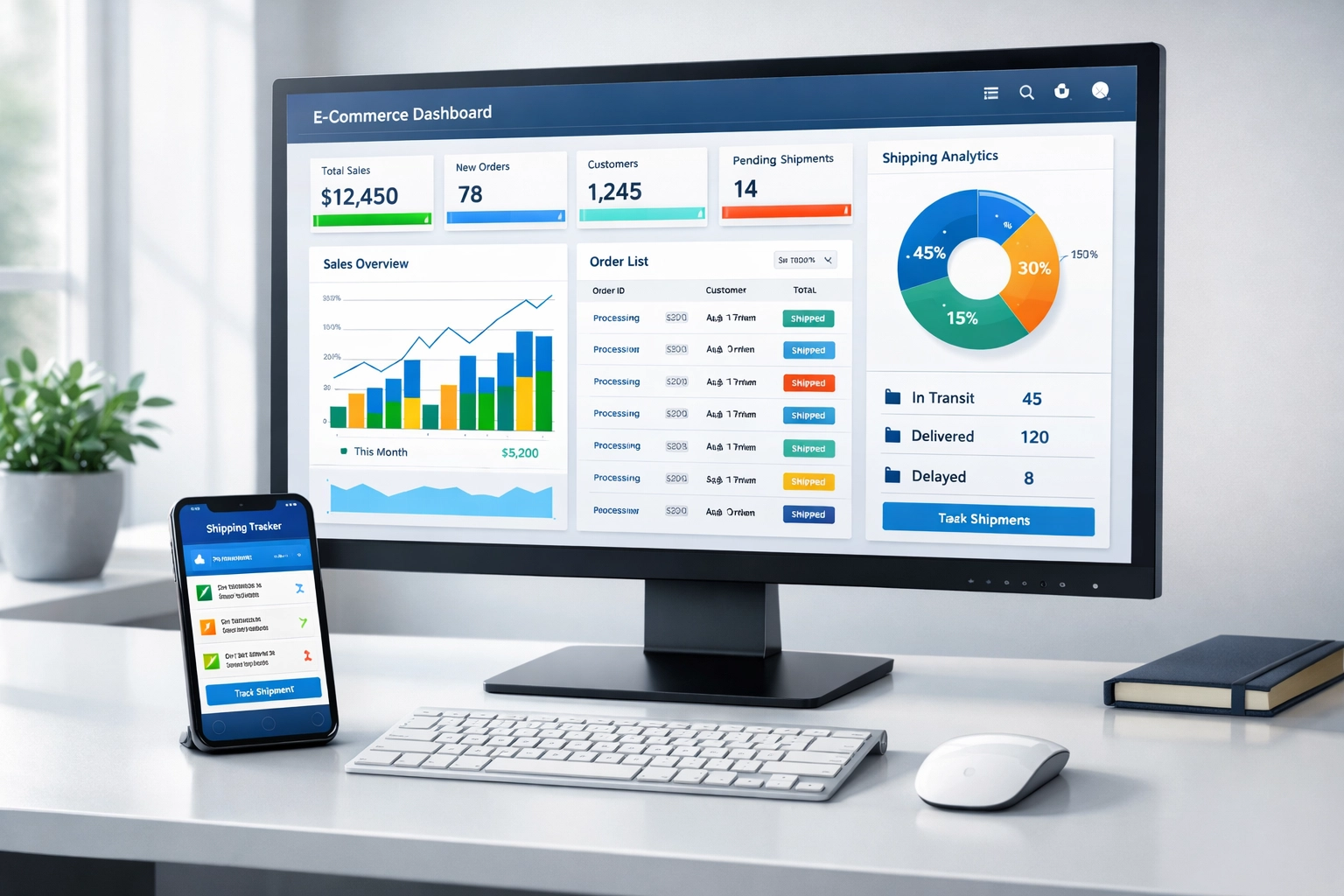
- Rate shopping: Automatically compares rates from multiple carriers for every shipment
- Address validation: Catches errors before they become expensive re-delivery situations
- Bulk label printing: Process dozens or hundreds of orders in minutes
- Automatic tracking updates: Keep customers informed without manual data entry
- Reporting and analytics: Understand your true shipping costs and identify optimization opportunities
This isn't about fancy features: it's about eliminating waste and consistently finding the lowest rates available.
Packaging Optimization: The Hidden Cost Killer
You could be overpaying by 30% or more simply because your packaging is wrong. Carriers in 2026 increasingly use dimensional weight pricing, which means they charge based on package size, not just weight.
Send a lightweight item in an oversized box, and you'll pay as if it weighs much more. This "dimensional weight penalty" catches many small businesses off guard.
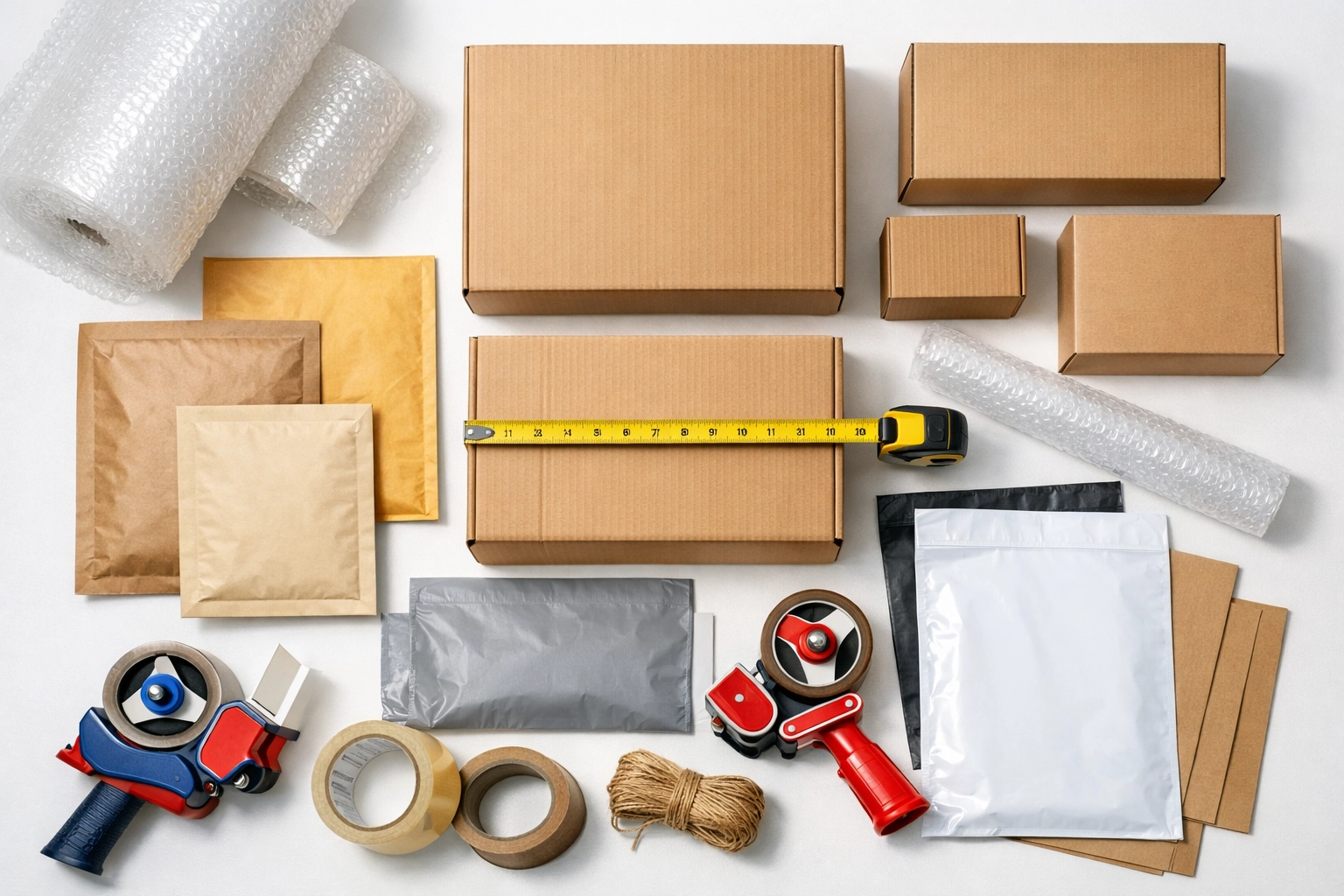
The solution is right-sizing your packaging. Use boxes that fit your products snugly. Consider custom packaging for your most frequently shipped items. Remove unnecessary void fill that adds size without protection.
We've seen businesses cut shipping costs by 25% simply by switching to appropriately sized packaging. That's money left on the table month after month.
Smart Packaging Strategies
- Audit your current packaging: Are you using stock boxes that are way too large?
- Invest in variety: Keep multiple box sizes on hand to match different products
- Consider poly mailers for soft goods and clothing: they're lighter and take up less space
- Use packaging calculators to determine optimal dimensions before ordering supplies
- Track dimensional weight charges in your shipping reports to identify problem areas
Packaging might seem minor, but it's one of the fastest ways to reduce costs without changing your carrier or service level.
2026 Insider Tips: What's Working Right Now
The logistics landscape evolves quickly. Here are strategies that are delivering results for small businesses this year:
Hybrid delivery services combining long-haul carriers with local postal services for final delivery often cost less while maintaining reasonable delivery times. These are perfect for non-urgent shipments where customers prioritize price over one-day delivery.
Local pickup options eliminate shipping costs entirely while building community connections. For businesses with physical locations or the ability to offer convenient pickup points, this turns shipping from a cost center into a customer experience opportunity.
Shipping software trials let you test rate comparison platforms risk-free. Many businesses discover they've been overpaying by 15-20% simply by comparing what's available through modern shipping tech.
Negotiate even if you're small. Carriers want your business, especially if you're growing. If you're shipping 100+ parcels monthly, reach out to carrier reps directly. The worst they can say is no: but you might secure additional discounts.
Zone skipping works for businesses shipping high volumes to specific regions. By consolidating shipments and transporting them to regional distribution centers, you can sometimes slash costs dramatically. This is where logistics partners with established networks become invaluable.
The Platform Advantage: Why Going It Alone Costs More
Independent small businesses often assume they can't access enterprise-level shipping rates. This used to be true. In 2026, it's not.
Logistics platforms and fulfillment partners act as intermediaries, negotiating bulk rates with carriers and passing savings to clients regardless of individual shipping volume. You get Fortune 500 pricing without Fortune 500 shipping volumes.
Global Corporate Logistics Limited specializes in exactly this model. Our carrier partnerships mean you access negotiated rates from day one. Our e-commerce integrations mean you automatically get the lowest rate for every shipment. Our reliable service means your customers stay happy while your costs stay low.
This isn't about adding complexity to your operations: it's about simplifying them while simultaneously reducing costs. One platform, multiple carriers, automatic optimization.
Taking Action: Your Next Steps
Understanding these strategies is one thing. Implementing them is where actual savings happen.
Start by auditing your current shipping costs. How much are you spending monthly? What's your average cost per parcel? How does this break down by carrier, service level, and destination?
Next, identify quick wins. Can you right-size your packaging this week? Can you test a shipping platform with rate comparison features? Can you consolidate scattered shipping accounts into one integrated solution?
Then, consider partnerships. Working with a logistics provider that offers both negotiated rates and technology integration often delivers the fastest ROI. The savings from your first month typically exceed any setup costs or fees.
The businesses winning in 2026 aren't necessarily the ones with the lowest product costs: they're the ones with optimized operations that preserve margins at every step. Shipping is one of the biggest opportunities for immediate improvement.
Frequently Asked Questions
How much can I realistically save on shipping costs?
Most small businesses save 15-30% by optimizing carrier selection and accessing commercial rates. Businesses also implementing packaging improvements and automated rate shopping often see savings of 30-40% or more. The exact amount depends on your current setup and shipping volume.
Do I need high shipping volumes to get discounted rates?
No. While higher volumes unlock better discounts, even businesses shipping 50-100 parcels monthly can access commercial pricing through logistics partners who consolidate volume across multiple clients. You benefit from collective bargaining power.
Will cheaper shipping mean slower delivery times?
Not necessarily. Many cost-saving strategies maintain the same delivery speeds: they simply route shipments more efficiently or leverage partnerships you couldn't access independently. The key is matching service level to customer expectations rather than defaulting to premium options for every shipment.
How do e-commerce integrations actually save money?
Beyond labor savings, integrations automatically compare rates across carriers for every order and select the lowest cost option. They also reduce errors that lead to re-deliveries, provide accurate tracking that decreases customer service inquiries, and generate analytics that identify ongoing optimization opportunities.
What's dimensional weight and why should I care?
Dimensional weight is a pricing method where carriers charge based on package size rather than actual weight if the package is large but light. A small item in a huge box gets charged as if it weighs much more. Right-sizing packaging to avoid this penalty is one of the fastest ways to cut costs.
Ready to stop overpaying for parcel delivery? Global Corporate Logistics Limited offers the carrier partnerships, e-commerce integrations, and expertise small businesses need to compete on shipping costs in 2026. Get in touch to discover how much you could be saving.